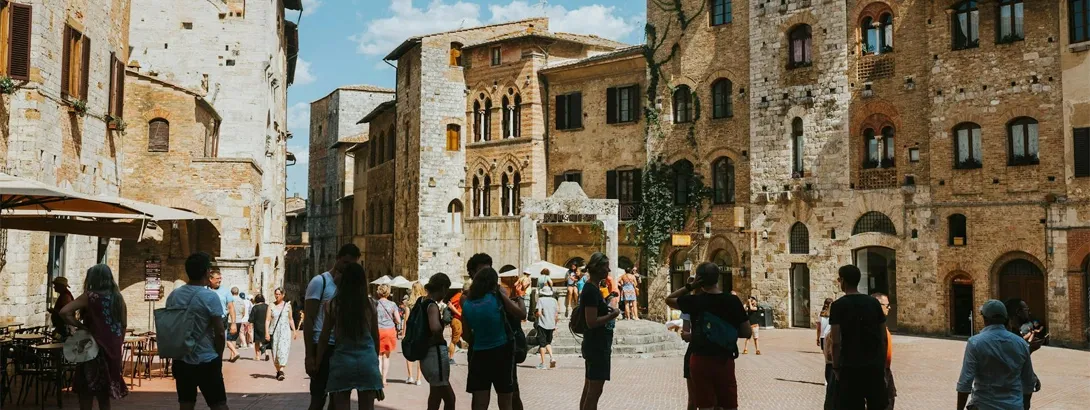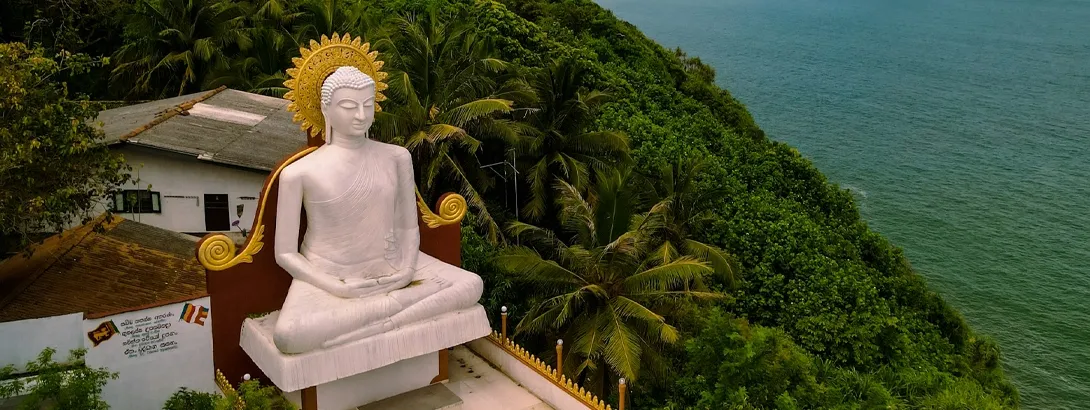
Some destinations jostle for attention with their picture-perfect, curated spots, while others prefer to let word of mouth do the work for them. The teardrop-shaped idyllic island of Sri Lanka falls into the latter category, preferring to keep a low profile and turn curious travellers who skip the polished tourist path into repeat visitors.
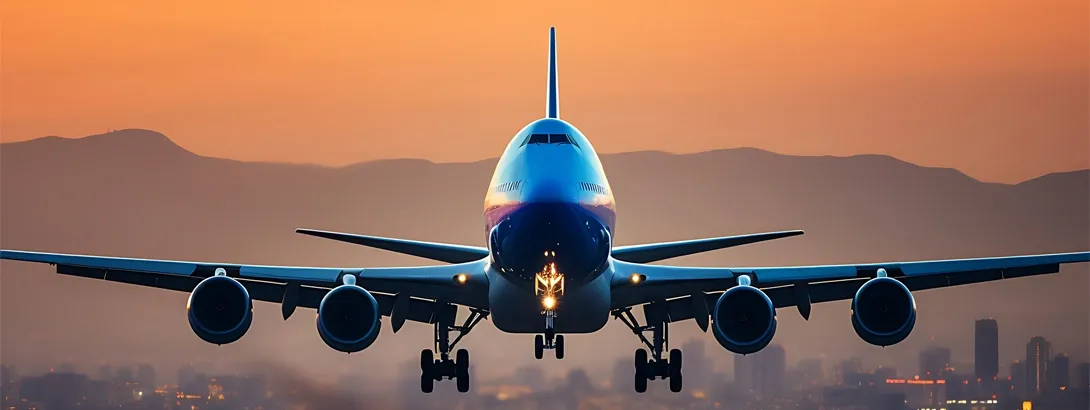
The country has long been the kind of destination people come back from evangelical about. The food. The pace. The fact that you can watch a leopard in the morning, board a train through tea plantations in the afternoon, and eat fresh seafood by the ocean that evening. And now, with British Airways returning to Colombo from 23 October 2026, flying there has never been easier from the UK.
In this guide, we explore what Sri Lanka has to offer, how to time your trip, and how to use Avios reward flights to get there.
British Airways Returns to Sri Lanka
If you’ve found yourself asking, “does BA fly to Sri Lanka?” The answer is yes. From October 2026, and only during the winter season, British Airways will operate three flights per week on Mondays, Wednesdays and Fridays, from London Gatwick to Colombo. Booking is open now, and you can book a seat in any of the cabins:
- World Traveller (Economy)
- World Traveller Plus (Premium Economy)
- Club World (Business Class)
- First Class
Cash return fares start from £620, including taxes and carrier fees. As for how many Avios points you’ll need to fly from London, below are the one-way costs for a Gatwick to Colombo reward flight:
Prices are the same on peak and off-peak dates for this route. These are one-way figures, so you can double them for a return, then add the cash component on both legs.
Why Visit Colombo?
Most first-timers treat Colombo as admin, get in, get a SIM card, get out, and head straight for the beaches or the hills. That's a mistake. Colombo is worth at least a couple of days.
It's the commercial capital of the country, sitting on its west coast along the Indian Ocean. The city has been shaped by Portuguese, Dutch, and British colonial rule, and the evidence is everywhere. Three empires came, left their fingerprints, and Colombo absorbed all of it.
However, there's no Old Town that's been sanded down for tourist feet, no heritage walk with laminated signs explaining what you're looking at. You have to pay attention. Do that, and you'll notice that Pettah market runs on a logic that only makes sense once you've been lost in it three times. That the best crab curry you'll eat is probably in a place with plastic chairs and a ceiling fan that's doing its best. That the city switches personality by neighbourhood. Cinnamon Gardens feels like a different country from the Fort, which feels like a different century from Wellawatta.

 British Airways
The only thing Colombo asks of you is not to think of it as a resort city. Sri Lanka, as a whole and its capital in particular, pulls no punches, relying on its authentic vibes and natural beauty rather than Instagram-worthy spots that feel artificial. So, when you do visit, embrace the working capital feel with its markets, traffic, high-rises, and street life. That's part of what makes it worth spending time in.
What to Do in Colombo
If you’re visiting for the first time, don’t overwhelm yourself by trying to experience it all. There will be plenty to see on the next visit (you’ll know soon enough that there’ll be many, many next times). But for now, these are a few good places to start:
- Galle Face Green: Walk the oceanfront promenade at sunset, and you'll quickly understand why locals treat this strip of grass like a communal living room. Vendors line the path selling kottu roti, string hoppers, and king coconut. The Indian Ocean stretches out on one side; the skyline presses in on the other.
- Gangaramaya Temple: One of the most famous Buddhist temples in Colombo, Gangaramaya, is an eclectic place: part shrine, part museum. Yes, you’ll see religious statues and sacred relics, but you'll also find vintage cars, ivory carvings, and an elephant who occasionally joins ceremonies.
- Pettah Market: Pettah is not pretty, and it's not really for souvenirs. It's loud, crowded, and the tuk-tuks outnumber the pedestrians. But it’s the heart of Colombo, a sprawling web of street markets where every block specialises in something different, from fabric and spices to electronics and fresh produce. Go for the experience, not the shopping.
- The Fort District: Colombo's historic colonial centre, now a business district, still has enough of its original character to make it worth an afternoon. The Lighthouse Clock Tower, the Old Dutch Hospital, now a restaurant and retail complex dating back to the 1600s, and the architecture running along the waterfront give you a sense of how many different eras this city has absorbed.
The Food Scene
A large part of Sri Lanka’s charm is through its underrated cuisine, which you fall in love with with every bite. The staple is rice and curry, which sounds simple until a plate arrives with eight different dishes arranged around it, each one a different preparation of lentils, coconut, fish, or vegetables, each one spiced differently. The flavours are complex, coconut-based, and tend to be properly hot.
Here are a few dishes we recommend:
- Kottu roti: chopped flatbread stir-fried with vegetables, egg, and your choice of meat. The clatter of the metal blades chopping the roti on a griddle is one of Colombo's defining street sounds.
- Hoppers (appam): bowl-shaped fermented rice pancakes, eaten plain or with a runny egg cracked into the centre. A breakfast staple.
- Fresh seafood: the Indian Ocean proximity makes crab, prawn, and fish remarkably good and remarkably cheap compared to what you'd pay in the UK.
Colombo's restaurant scene has also developed fast. The city now has a generation of chefs doing interesting things with native produce such as cocktails made with arrack (a local spirit distilled from coconut sap), menus blending Sri Lankan and Southeast Asian influences, and alfresco spots that feel genuinely of the place rather than imported from somewhere else.
The Wider Sri-Lanka
So, is Sri Lanka worth visiting? The honest answer is: few places of its size pack so much punch. Sri Lanka is a small island; you can drive coast to coast in a few hours, but the variety within it is genuinely remarkable. But don’t just take our word for it, visit these places and see for yourself:
The South Coast
The south coast is where most UK visitors spend the most time, and for good reason. Galle is a UNESCO-listed Dutch fort town: cobblestone streets, colonial ramparts, boutique hotels, and the Indian Ocean on three sides.
Mirissa is a smaller, more relaxed beach town best known for whale watching. Blue whales pass the southern tip of Sri Lanka between November and April, and Mirissa is one of the best places in the world to see them.
Weligama, just along the coast, is one of the best places in Sri Lanka to learn to surf, with a long, gentle break that suits beginners and a handful of surf schools on the beach. Unawatuna has one of the most sheltered bays on the coast, calm enough for swimming most of the year.
The Hill Country
The train from Kandy to Ella is one of the great rail journeys in Asia: six hours through mist and tea plantations, past waterfalls and small mountain stations, on a narrow-gauge line that feels like it belongs to a different century. Ella itself is a small town perched in the hills with hiking trails, viewpoints, and a slower pace that's a genuine contrast to the coast. Nuwara Eliya, further up, was developed by the British as a hill station and still has a slightly surreal colonial character with golf courses, rose gardens, and a post office that looks Tudor.
Wildlife
Yala National Park in the south is one of the best places in the world to see leopards in the wild — it has one of the highest leopard densities of any national park globally. Udawalawe is more accessible and known for its elephant herds; you can reliably expect to see dozens in a single safari morning. Both parks operate jeep safaris from lodges nearby, ranging from budget to fully luxurious.
Ancient History
Sigiriya, also called Lion Rock, is a fifth-century citadel built on top of a 180-metre column of rock rising from the surrounding jungle. It's a UNESCO World Heritage site and one of those places that's hard to believe is real. The Cultural Triangle also includes Dambulla (a cave temple with 157 Buddha statues carved into the rock) and the ancient cities of Anuradhapura and Polonnaruwa. This is serious history, delivered in a landscape that makes every site feel like a discovery.
Sri Lanka is not a complicated destination. But it rewards the people who give it more than a week. A 10-day trip could reasonably take you from Colombo through Galle and Mirissa on the south coast, up through Ella and the hills, and into one of the national parks on the way back. That itinerary, done at a sensible pace, hits almost everything Sri Lanka is famous for. So if you've been asking yourself, is Sri Lanka worth visiting, the answer, for almost any kind of traveller, is yes.
When Is The Best Time to Visit Sri Lanka?
The honest answer to when is the best time to visit Sri Lanka is that it depends on where you're going. Sri Lanka has two monsoon seasons that affect opposite sides of the island at different times, which means one coast is almost always in good weather while the other is wetter.
The dry season runs from December to April on the west and south coasts, where most visitors head to explore Colombo, Galle, Mirissa, and the beaches. These are warm, sunny months with minimal rainfall and calm seas. Good for beaches, wildlife safaris, and the cultural sites of the interior. This is also peak season, so prices are higher and popular spots are busier.
October and November are the inter-monsoon period, mostly dry on the west coast, with occasional afternoon storms. Fewer crowds, lower accommodation prices, and the same warm temperatures (roughly 25 to 32°C year-round on the coast). The BA route launches at the start of this window, which makes the October–November period a good time to book if you want value and good weather.
- Passenger1
The east coast, comprising Arugam Bay, Trincomalee, and Pasikudah, has its own dry season from May to September, when the west is wetter. Sri Lanka is, genuinely, a year-round destination if you know which coast to focus on.
The hill country (Ella, Kandy, Nuwara Eliya) is pleasant most of the year, thanks to its cooler temperatures at higher elevations. The tea estates are especially vivid and green after rainfall.
Getting There With Avios
This is one of the best Avios routes from London to open in recent years. A direct flight from the UK to the Indian Ocean, with a choice of four cabins and a route that operates in the winter months when the south and west coast of Sri Lanka are at their best, is a strong redemption for anyone with a solid Avios balance.
To check how many Avios points it takes to fly to Colombo, see the table at the top of this article. The Avios cost is the same on peak and off-peak dates for this route, which is unusual as most long-haul BA routes charge more on peak dates. October and early November, when the BA route is just launching, include a number of off-peak windows and tend to be quieter than the December to April peak season.
A few things worth knowing before you book:
- Book early. BA guarantees a minimum number of reward seats on every long-haul flight, but availability on a new route is competitive. The route opens 23 October 2026, so start early as seats are bookable now.
- Club World on this route is the older yin-yang seat configuration rather than Club Suite, at least until the new Boeing 787-10 fleet arrives. Worth knowing if seat configuration matters to you.
- Taxes on long-haul Avios reward flights are on the higher side. Factor in the cash component alongside your Avios.
Colombo is also a gateway to the Maldives. SriLankan Airlines (a oneworld partner) operates flights from Colombo to Malé in under 90 minutes, and those segments are also bookable with Avios.
A Few Practical Notes
- The flight is roughly 10 to 11 hours from London Gatwick, long-haul, but on the shorter end of it.
- Sri Lanka is a very affordable destination once you're there: a good meal costs a fraction of what it does in the UK, tuk-tuks are cheap, and accommodation ranges from budget guesthouses to some genuinely beautiful luxury hotels and tea estate villas at reasonable prices.
- UK citizens need an Electronic Travel Authorisation (ETA) to enter Sri Lanka, which you can apply for online before you travel.