After making the hardest decision of any trip, choosing where to go, the fun part begins: building a travel itinerary that fits your pace, priorities, and budget. From watching how members plan trips around reward-seat availability, one thing is consistently true: the best itineraries start with your pace and priorities, then fit the details around what’s realistically bookable.
A great itinerary is not about cramming everything in. It is about creating flow, leaving space for surprises, and making the logistics feel effortless.
Here’s a simple framework for planning an itinerary that flows, plus a few Avios tips from Reward Flight Finder (RFF) team.
Start with the trip shape, not the day by day detail
Before you open a trip planner, sketch the trip at a high level.
Step 1: Count real sightseeing days
Work out how many full days you actually have once you remove travel days, arrival time, and recovery time. We recommend building in rest after a long haul arrival (jet lag is real!) and factoring time zone impact before you start stacking activities. Long haul arrival pacing is one of the most overlooked long haul travel tips.
Step 2: Choose your pace and priorities
Write down your three non-negotiables for the trip. A museum, a food experience, a hike, a beach day, a show. Keeping priorities tight prevents burnout and makes space for local experiences, a point emphasised in itinerary prioritisation.
Create with contrast and clusters
A polished itinerary has rhythm. It mixes high-energy moments with slower ones, and reduces cross-city zigzags.
- Build contrast: Alternate high-energy days (sightseeing, tours) with slower ones (neighbourhood wandering, long lunches).
- Cluster by area: Group attractions geographically using maps to cut wasted transit time.
- Simple rule: Plan two anchor activities per day, then fill gaps with flexible options nearby.
Use a travel itinerary template that stays practical
A travel itinerary template should be something you can share, edit, and use on the go. Keep it simple and consistent across days.
Here is an easy structure we use as a travel itinerary sample:
- Morning: one anchor activity
- Midday: lunch area and one optional stop
- Afternoon: second anchor activity
- Evening: neighbourhood plan, dinner, and a backup option
- Notes: tickets, opening hours, transport, and meeting points
Four Around The World suggests starting by adding fixed details first, flights, transfers, accommodation, and tours, then filling the blanks with activities. This prevents the common mistake of building a dream day that ignores real logistics.
Pick the right tools, apps, and planning pages

A good toolkit saves time and reduces decision fatigue.
Apps that keep everything in one place
A travel itinerary app is most useful when it stores plans offline, pulls bookings into one timeline, and supports collaboration.
Some apps that work offline:
- Wanderlog, TripIt (timeline + collaboration)
- Rome2Rio (route planning)
- Hopper (price tracking)
If you prefer a browser based approach, combine a Google trip planner workflow using Google Maps for clustering, then keep the final schedule in a shareable document.
Templates and planning systems
Some travellers love itinerary planner templates built in spreadsheets or Notion. Others prefer a clean document they can print. The best format is the one you will actually open while travelling.
If your trip involves many legs, build a separate logistics page for transport and confirmations. That keeps the daily view uncluttered and easier to follow.
Flights first, then beds, then bookings
Itinerary planning gets easier once the long poles are fixed.
Multi stop and return flight strategy
Compare multi-city flights vs separate one-ways vs roundtrip into one airport + trains between destinations. Flight+hotel packages often simplify peak-season planning and make great pricing benchmarks even if you book separately.
Book time-sensitive items early: Key tours, restaurants, tickets that sell out.
Reduce stress with early bookings
Pre booking key tickets and time sensitive attractions can save money and avoid sold out dates, especially in high season.
Our team rule
Book the things that can ruin your day if unavailable, then keep the rest flexible.
Build in the boring stuff that makes trips smooth
The best itineraries include the unglamorous details.
Packing and gear planning
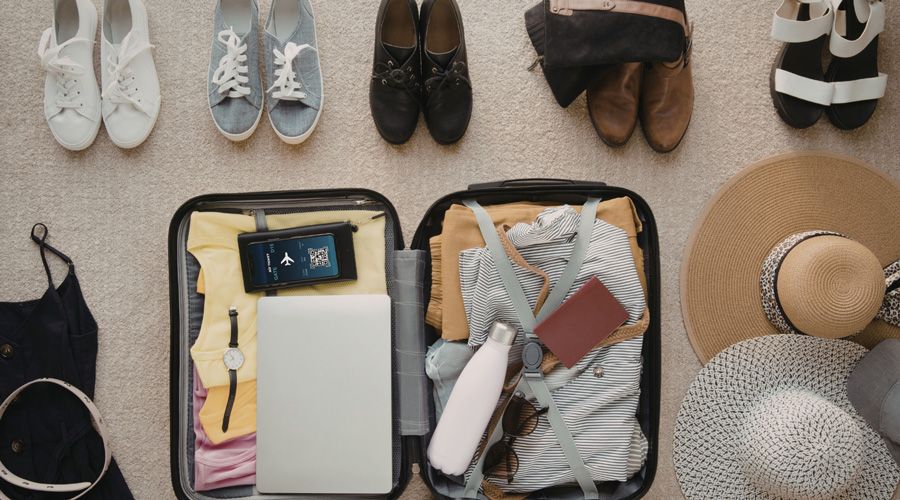
Start with travel must-haves that eliminate daily friction: a universal travel adapter, compact repair kit (needle/thread, duct tape), and medications. These save trips when small problems become big ones, so pack them first, not last. Don't forget an eSIM for international data, far cheaper, trackable and more reliable than roaming.
Match luggage to your itinerary:
- Fast-paced city trips: cabin bag + reliable carry-on
- Multi-climate/slower travel: checked suitcase
Always add a bright luggage tag—makes baggage reclaim 10x faster on busy connections.
Timing your luggage purchase? Set reminders for suitcase sales to avoid full price. Planning shopping? Luggage forwarding and storage services solve overloaded bags effortlessly.
Liquids/security: The TSA 100ml rule works globally—small containers, clear bags, easy access. It speeds security everywhere, not just airports.
Add reward seats to your itinerary early
If your trip relies on points, flights are not just a booking step. They shape the entire route and timing.
Using Avios to unlock better trips
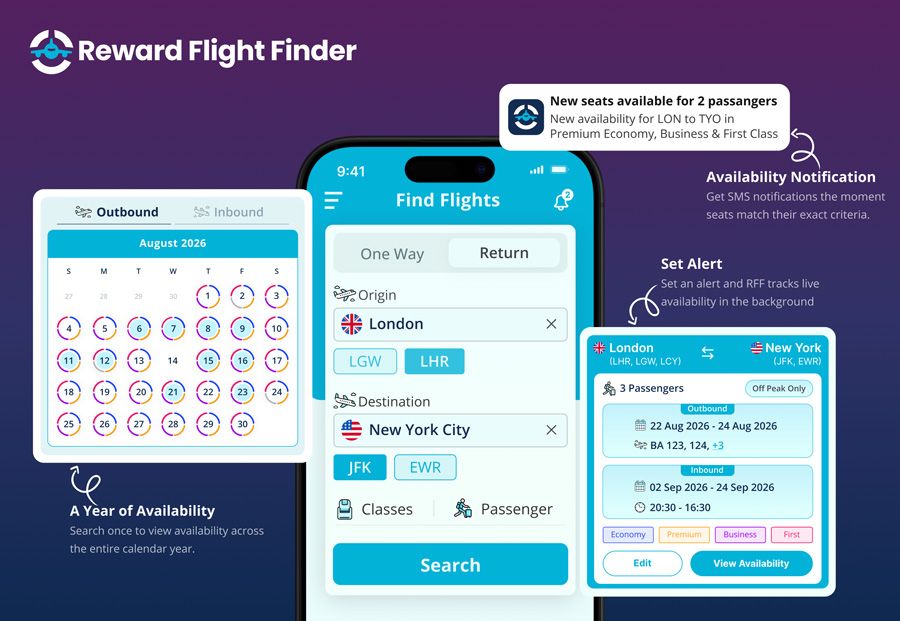
If you are looking to use your Avios points for Reward flights, the biggest benefit is flexibility. You can build a trip around where reward seats exist, rather than forcing dates and routes that are expensive in cash.
RFF scans reward availability and helps you spot seats faster and plan trips that might otherwise be out of reach in peak periods
Our favourite approach is to start with inspiration, then refine dates.
- Use the Worldwide Map to explore routes with reward availability
- Set Availability Alerts once you have a shortlist, so you get notified when seats appear
- Use Flight by Flight if you are tracking specific services and dates
- BA Club Suite Filter - see availability for the best BA Business Class seat
This is especially useful for last minute plans, where last minute deals are not always easy to find in cash, but reward seats can appear unpredictably.
Start with inspiration, refine with alerts. Reward seats let you build around availability rather than expensive cash dates.
Destination sections that do not feel generic
A strong itinerary hooks you with a reason to be there, not just a checklist of sights.
- Food-focused trip: One iconic morning reservation, then open afternoons for markets and neighbourhood wandering.
- City break: Museum morning + market lunch, evening in a different district.
- Beach holiday: Morning beach, long seafood lunch, sunset drinks.
- Adventure travel: Hike AM, recovery lunch, optional evening activity.
- Shopping trip: Flagship store morning, local boutiques afternoon, dinner where you stumbled into something great.
- Variety lover: Always pair high-energy (museum, hike) with recovery (long lunch, neighbourhood walk).
Leave afternoons flexible for backstreets, local gems, and unexpected discoveries. This creates memorable trips instead of rushed ones.
Final checks before you go
Run this quick review 48 hours before departure:
- Confirm transport times + attraction opening hours
- Save confirmations offline + email to travel partner
- Buffer mornings before key tours/transfers
- Simple backup list (rain, fatigue, closures)
Value check: Compare cash flight deals vs Avios options. Sometimes cheap fares beat points—keep both live until finalizing.
The RFF team takeaway
A great travel planner mindset is simple. Start with priorities, design flow, lock in essentials, and keep your days realistic. That approach works for solo travel, adventure travel, beach holidays, and even structured business travel with a tight schedule.
Once you add Avios into the mix, itinerary planning can get even more rewarding. Use Avios for Reward flights when reward seats align with your dates, and let RFF support the planning process so you can spend less time searching and more time enjoying the trip.