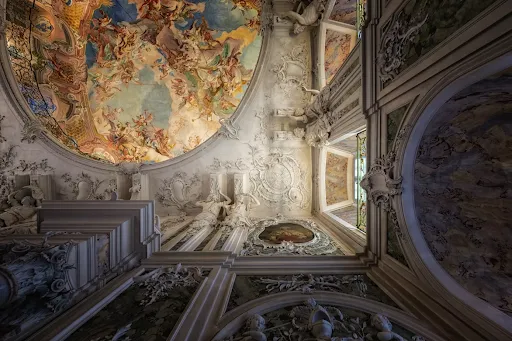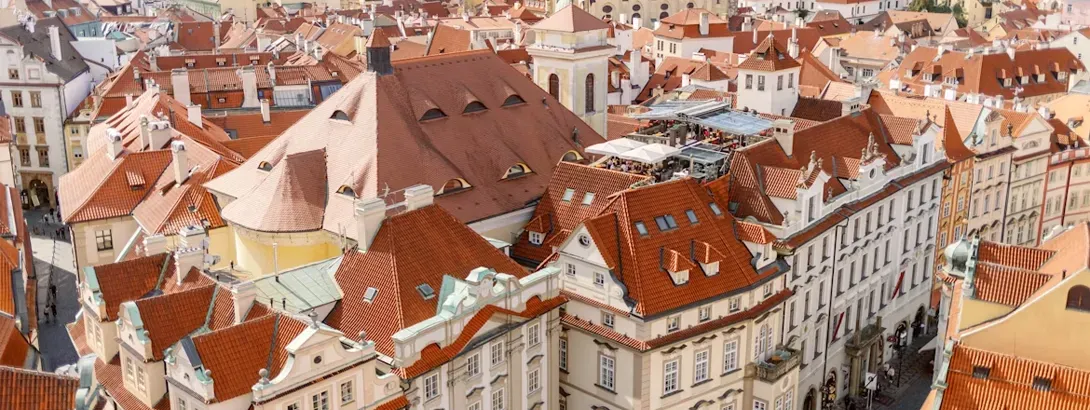
There are places you remember for the food, others for the people, but the ones that linger longest in the mind are often remembered for their architecture. Buildings are doorways into the past; a picture might speak a thousand words, but architecture has the ability to convey whole histories.
In this article, we'll explore why architecture makes such a great reason to travel and suggest some architectural masterpieces you shouldn’t miss on your next adventure.
Why Sightseeing Architecture Is Such a Popular Holiday Activity
Before we get into some of the most famous man-made structures, let's discuss what it is about these brick-and-mortar façades that’s so inspiring that visitors continue to visit them.
Connection to History and Culture
If you think about it, architecture is the closest thing to time travel we have. Every cathedral, palace, or temple is a physical link to the people who built it, their values, and the world they lived in.
Aesthetic Inspiration
Grand Gothic spires, soaring domes, and gleaming glass towers all have a way of stopping you in your tracks. Travellers are naturally drawn to these moments of beauty. As the architect Santiago Calatrava once put it, "Architecture has this ability to capture the spirit of a place, and in doing so, it becomes a beacon that draws people from all corners of the globe."
Sense of Place
Architecture makes a city feel unique, more than any souvenir. When you stand before the Parthenon in Athens or gaze up at the Pyramids, you're stepping into a story that has stood the test of centuries. That's why architecture so often leaves a lasting imprint on travellers: the quality of the space itself creates an emotional connection that lingers long after the photos fade.
Educational and Enriching
Landmarks carry profound cultural weight. They tell us who we are, where we've come from, and what we aspire to be. They're symbols of ingenuity and creativity, a bridge across time that connects us with the triumphs of our ancestors. For schoolchildren, walking through a medieval cathedral can transform a dry history lesson into something tangible. For a solo traveller, climbing the steps of Machu Picchu or wandering through the Roman Forum can be a moment of awe, perspective, even self-reflection.
Emotional Impact
Some buildings simply overwhelm. Standing beneath the Parthenon or stepping inside Sainte-Chapelle, travellers often describe a sense of awe, of being part of something bigger. For many, ticking these icons off the list is a once-in-a-lifetime pilgrimage.
Shareability
And of course, stunning architecture makes for irresistible storytelling. In today's digital-first world, iconic landmarks are opportunities to be seen. People can inspire someone on the other side of the planet to book their own trip by tagging, filtering, and broadcasting themselves in front of these monuments. Social media has turned photogenic architecture into a new kind of currency in travel decisions.
Architectural Monuments That Take Your Breath Away
Now that we've got your attention, here are some cities we recommend visiting if you want to experience architecture at its best:
Classical and Ancient
Rome, Italy
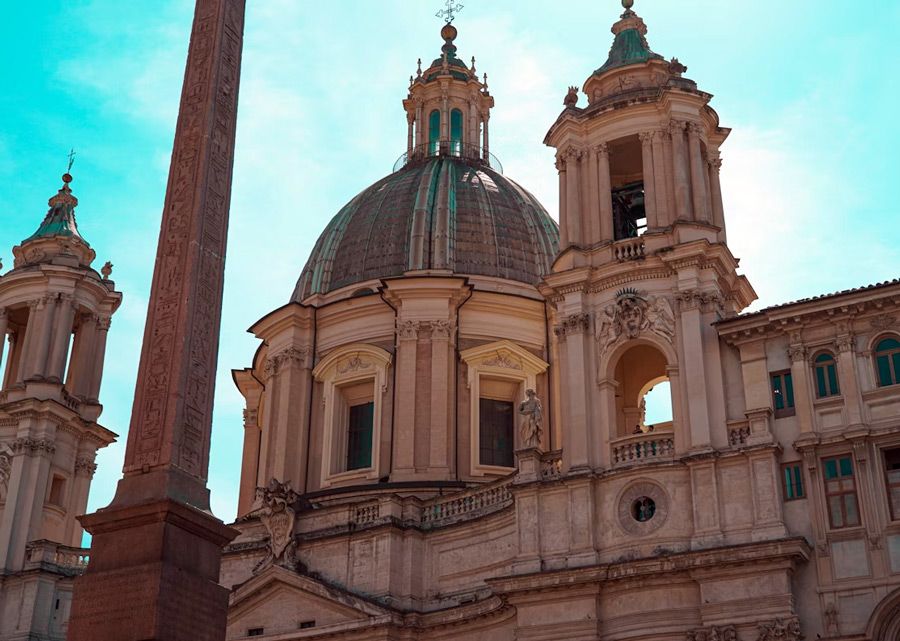
If old and timeless is your thing, then the 'Eternal City' has no equal. The Colosseum is still the city’s star attraction. Once the stage for gladiators, emperors, and the occasional lion, it makes modern stadiums feel like Lego sets. Time has chipped away at it, earthquakes have shaken it, and centuries of looting have stripped it, but it still stands as one of Italy's most electrifying sights.
Nearby, the Pantheon shows a different side of Roman genius. At first glance, it’s almost modest, until you step inside and look up. The dome soars overhead, crowned with a perfect circular opening that funnels light into the marble floor. Built nearly two millennia ago, it remains the best-preserved Roman monument, and proof that Hadrian wasn’t messing around when it came to architecture.
Just a short walk away lies the Roman Forum, once the heart of the empire. In its heyday, senators debated, citizens bartered, and generals paraded their triumphs among its temples and basilicas. Today, the ruins may seem scattered, but with a little imagination, the arches, columns, and crumbling walls bring ancient Rome vividly to life.
For classic Rome sightseeing, you can book BA reward flights from the UK or connect via partners by redeeming Avios points for flights.


 British Airways
Athens, Greece
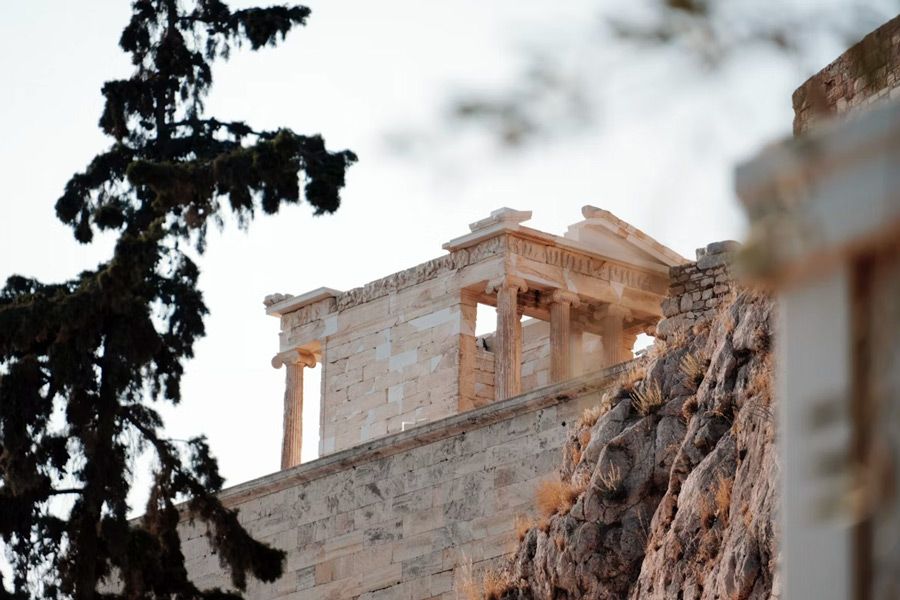
If Greece is the symbol of modern democracy and philosophical thought, Athens is its heart, with the Parthenon being its crown jewel. Built in the 5th century BC for Athena, it's the largest Doric temple ever completed, its graceful proportions pulled off with a few clever optical tricks. It held a colossal statue of the goddess at one time and a treasury full of riches. Today, even stripped bare, its sculpted friezes and pediments still set the gold standard for Western architecture.
The Acropolis as a whole remains the most important ancient site in the Western world, a marble citadel that has watched over Athens for millennia. Time and wars have worn it down, but it still has the knack of making you feel very small. Climb to the top on a hot afternoon and it’s hard not to imagine Socrates pausing halfway up to argue about the meaning of life, or at least to complain about the stairs.
If architecture from Greece is your passion, Athens is an easy win on British Airways reward flights; you can spend Avios points to trim the bill on peak dates.
 British Airways
Cairo, Egypt
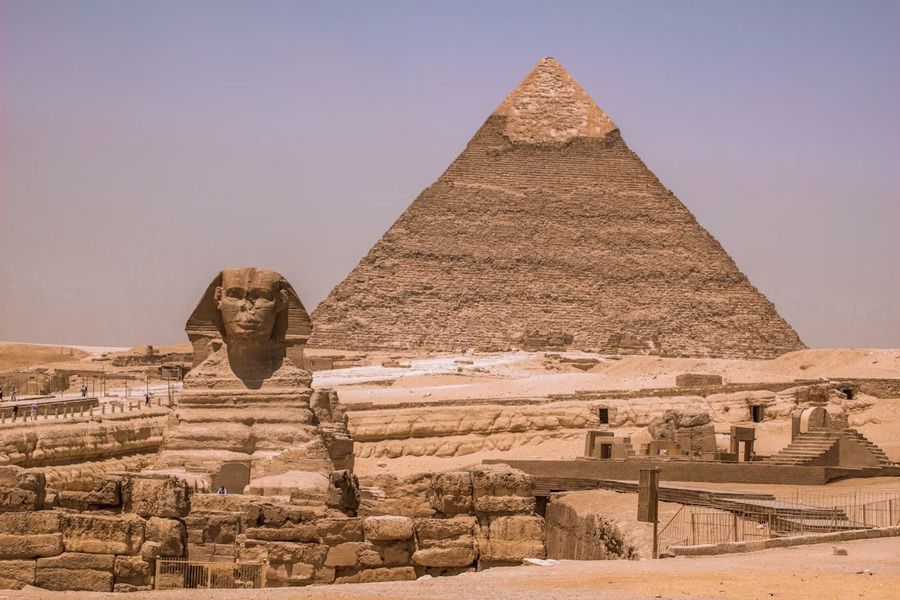
Cairo is home to one of humanity's greatest legacies: the last remaining wonder of the ancient world. The Pyramids of Giza have loomed over the desert for nearly 4,000 years, their sheer bulk and geometric precision sparking awe and endless speculation. Built as tombs for the pharaohs, they weren’t the work of slaves, as Hollywood likes to suggest, but of thousands of Egyptian farmers paid in bread, beer, and onions. Today, the Great Pyramid of Khufu, flanked by the pyramids of Khafre and Menkaure and guarded by the Sphinx, continues to defy imagination. It also continues to inspire wild theories that range from advanced mathematics to alien intervention.
Cairo is also a city of mosques, none more impressive than the Al-Azhar Mosque, a masterpiece of Islamic Cairo. Founded in AD 970, it has grown over centuries into a blend of styles, with courtyards, intricately decorated mihrabs, and minarets dating from the 14th to 16th centuries. It’s also one of the world's greatest centres of learning, home to Al-Azhar University, still the most prestigious institution for Sunni theology.
 British Airways
Gothic and Medieval
Paris, France
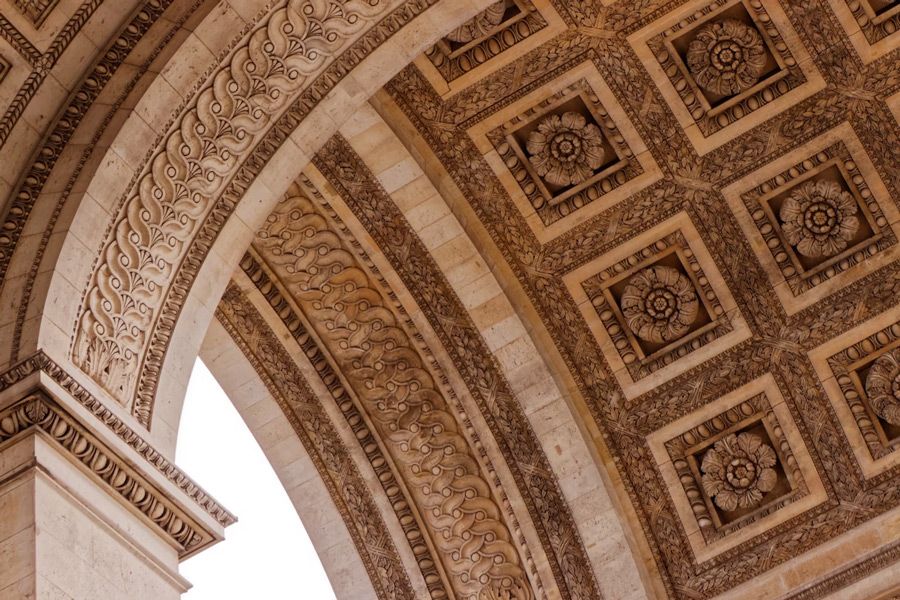
Paris, the 'City of Love', is also the birthplace of Gothic architecture, and nowhere is that legacy more visible than on the Île de la Cité, where spires rise like exclamation points and jewel-toned stained glass reminds us that the Middle Ages could be anything but dark.
The Notre-Dame Cathedral is the city's most iconic Gothic monument, a masterpiece whose construction began in 1163 and finished in 1345. It was the stage for French history for centuries, from royal weddings to Napoleon's coronation. It later became the spotlight of Victor Hugo’s novel, which turned a crumbling cathedral into a national obsession. Even Disney had its turn. Its spire and roof were painstakingly rebuilt after the devastating 2019 fire, with a grand reopening in December 2024. Few monuments can claim such a second act.
Nearby, the Sainte-Chapelle is another place worth visiting. Built in just six years and consecrated in 1248 by Louis IX, its mission was to house the most precious relics, including the Holy Crown of Thorns. The chapel's 15 stained-glass windows, some 70% original, bathe visitors in a kaleidoscope of colour. Over 1,100 biblical scenes shimmer across the glass, making visitors tilt their heads back in awe, and occasionally in disbelief that so much beauty can fit into such a compact space.
 British Airways
Prague, Czech Republic
The Czech Republic is a land of fairy-tale castles and Gothic silhouettes, with Prague at its heart. The city's most beloved landmark is the Charles Bridge, which was commissioned by Charles IV in 1357 and finished in 1390. It's thronged with tourists and buskers by day, but at dawn, its baroque statues keep watch in silence over the Vltava.
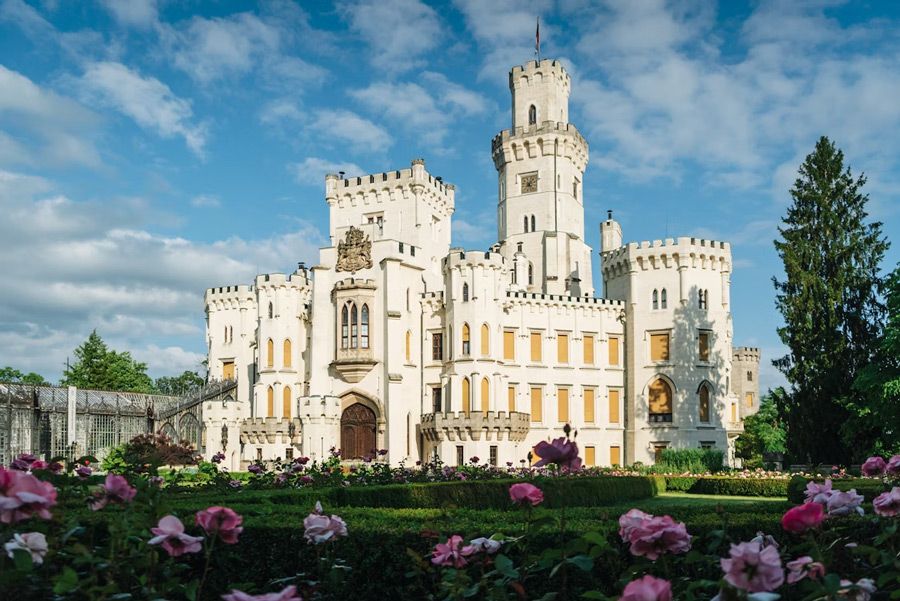
Step outside Prague, and the country feels like a greatest hits album of castles. Hluboká Castle, with its romantic Windsor Gothic design, looks ready for a Disney adaptation. Litomyšl Castle, a UNESCO site, impresses visitors with its 16th-century Renaissance sgraffito façades. It’s also famous as the birthplace of composer Bedřich Smetana. In South Bohemia, the red-walled Červená Lhota Castle sits on a reflective lake so picturesque that it's a favourite backdrop for weddings.
And the list keeps going: Kunětická Hora doubles as a fortress and open-air theatre, Svojanov Castle brings together Gothic halls, Empire touches, and enough ghost stories to fill a campfire, and the “Little Versailles” of Nové Hrady leans French with style. Even Trebon Castle sits in a spa town where people still swear by healing peat baths.
 British Airways
Renaissance and Baroque
Florence, Italy
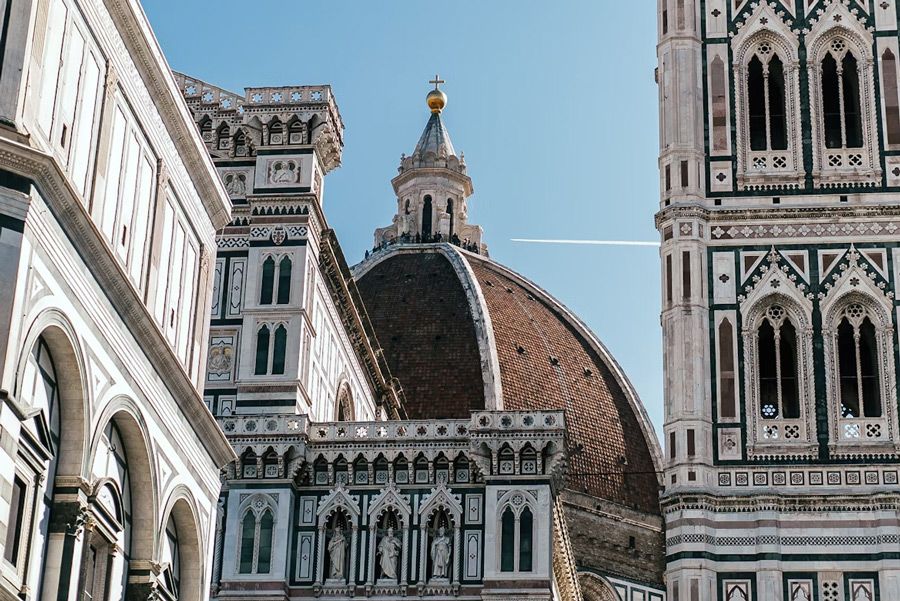
Few cities in the world feel as much like an open-air museum as Florence. Walk a few blocks and you’re tripping over more Renaissance art and architecture than most countries can muster in a lifetime. Every piazza, bridge, and cobbled street feels like it was designed to remind you who invented the word “Renaissance” in the first place.
At the heart of it all is the Duomo, Brunelleschi's extraordinary red-tiled dome that dominates the skyline. Completed in 1436 after nearly 150 years of work, its scale and engineering still astonish. Climb its 463 steps and you’re rewarded with sweeping views of Florence and a close-up of Vasari’s fiery Last Judgement frescoes, an extra push to make it to the top if your legs are protesting.
Florence's artistic wealth spills indoors as well. Housed inside a 16th-century Medici palace, the Uffizi Gallery’s collection reads like a who’s who of Western art, with masterpieces from Giotto, Botticelli, Leonardo da Vinci, and Michelangelo. Highlights like Botticelli's The Birth of Venus and Michelangelo's Doni Tondo make this gallery an essential pilgrimage for art lovers.
British Airways
Venice, Italy
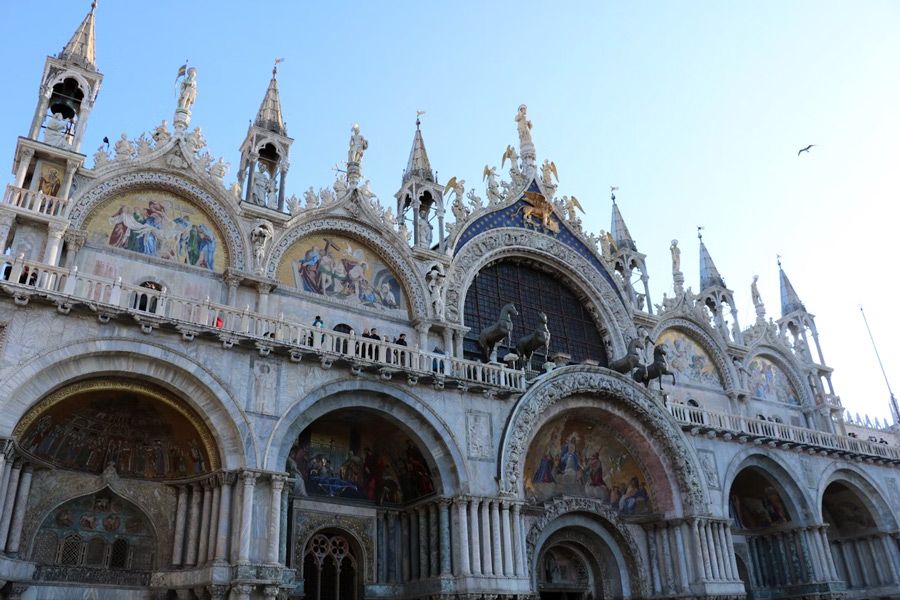
There's more to Venice than canals and gondolas. At its heart stands St Mark's Basilica, a vision of Byzantine domes and golden mosaics, built in the 9th century to house the relics of St Mark. Inside, the vast cupolas glitter with 24-carat gold mosaics, while the jewelled Pala d'Oro altarpiece glows with thousands of precious stones. It’s less church and more treasure chest.
- Passenger1

Just next door, the Palazzo Ducale (Doge's Palace) shows off the full pomp of the Venetian Republic. Its pink-and-white marble façade opens into grand halls painted by masters like Tintoretto and Veronese, who made sure even politics had a sense of theatre. No trip is complete without standing in Piazza San Marco, Venice's great stage, where pigeons and people alike queue up for their moment under the arcades of the Procuratie.
British Airways
Vienna, Austria
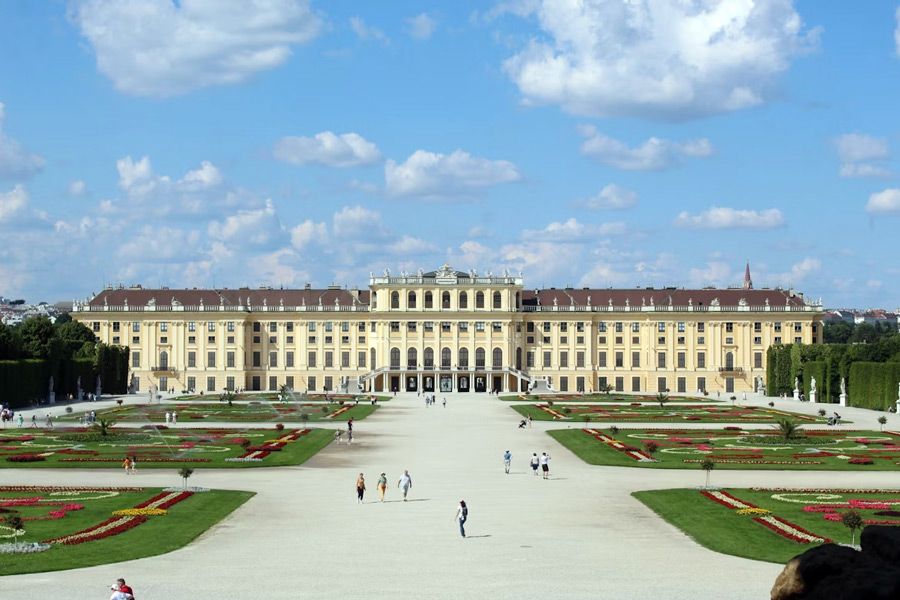
Once the heart of the Habsburg Empire, Vienna still has palaces that wear their Baroque grandeur with pride. The Hofburg Palace is less a building than a city within a city, filled with state apartments, glittering ballrooms, and enough treasures to remind you who used to run half of Europe.
To the south, the UNESCO-listed Schönbrunn Palace shows the Habsburgs in their leisure mode. Its Rococo interiors sparkle as much as the court gossip once did, while the French-style gardens stretch out like those at Versailles. Climb to the Gloriette pavilion and you’re rewarded with views that make Vienna look as carefully composed as one of Mozart’s symphonies. Step inside and you'll find gilded halls where Mozart once performed for Empress Maria Theresa.
Equally unmissable is the Belvedere Palace, two Baroque masterpieces connected by cascading gardens. The Upper Belvedere houses Austria's greatest collection of art, crowned by Gustav Klimt's The Kiss in its gold frame, still pulling in admirers more than a century after it first scandalised Vienna.
 British Airways
Modern and Futuristic
Barcelona, Spain
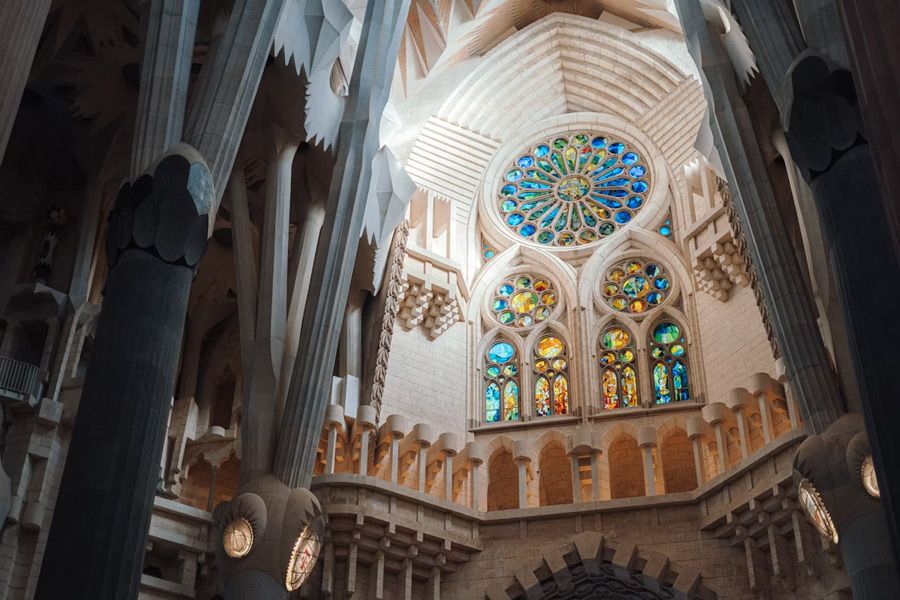
Founded as Roman Barcino and polished by a medieval golden age, Barcelona today is a mixture of Mediterranean aesthetics and Modernista vibes. Its star attraction, the Sagrada Família, has been under construction for nearly 140 years and remains Gaudí's unfinished masterpiece, making it the longest-running “coming soon” sign in architectural history. Its spires, finally edging toward completion, dominate the skyline as a work-in-progress that somehow became the city’s defining feature.
Just up the elegant Passeig de Gràcia, the shimmering Casa Batlló captures Gaudí at his most whimsical. Commissioned as a private home, it ripples with marine-inspired curves, a façade of jewel-like mosaics, and a dragon-backed roof said to evoke the legend of Sant Jordi, Catalonia's patron saint.
 British Airways
Chicago, USA
‘The Windy City’ reinvented itself after the Great Fire of 1871 and, in the process, gave the world the skyscraper. The Home Insurance Building of 1885 was the first of its kind, a steel-framed building that set the stage for a skyline unlike any other.
- Passenger1
That tradition continued with the soaring Sears Tower (now Willis Tower), which ruled as the world's tallest building for nearly 25 years and still delivers dizzying views from its glass-floored Skydeck. The city's architectural timeline is a showcase of innovation, from Frank Lloyd Wright's Robie House to Ludwig Mies van der Rohe's minimalist Kluczynski Federal Building, Jeanne Gang's rippling Aqua Tower, and St Regis Chicago, which set new records for female-designed skyscrapers.
 British Airways
Dubai, UAE
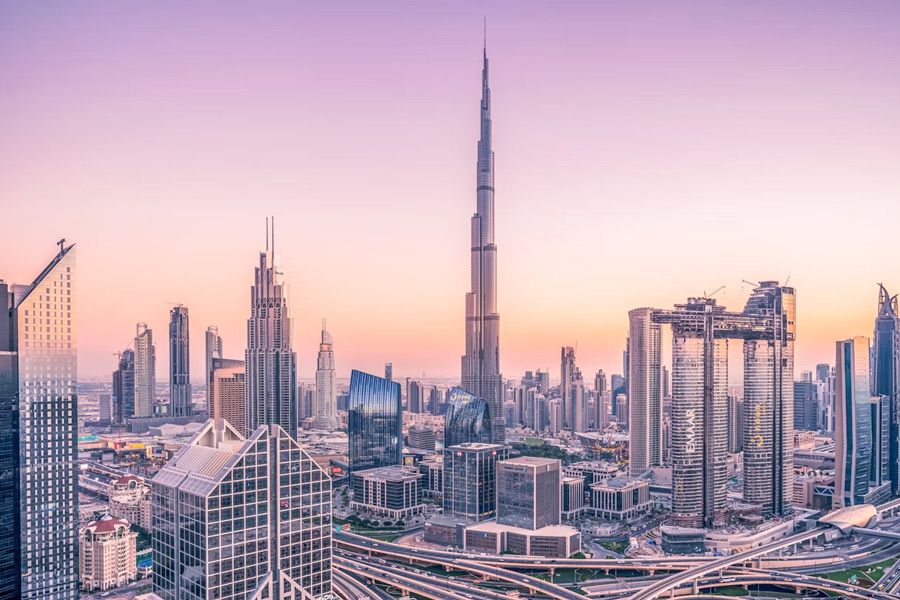
Dubai is the UAE's calling card to the world. It's a desert city that marries sci-fi skylines and man-made islands with centuries-old traditions. The undisputed star is the Burj Khalifa, still the world's tallest building at 828m. Opened in 2010, it was built with a round-the-clock workforce that added a new floor in as little as three days. Its numbers are staggering: 211 floors, the highest outdoor observation deck at 1820ft, the world's longest lift shaft, and a façade of more than 28,000 glass panels that takes months to clean. Adventurers have scaled and even base-jumped from it, and Tom Cruise famously clung to its glass walls in Mission: Impossible – Ghost Protocol.
Nearby, the Burj Al Arab is Dubai's other defining silhouette, a sail-shaped super-luxury hotel perched on its own island. Since opening in 1999, it has become as synonymous with the city as the Eiffel Tower is with Paris.
 British Airways
Tokyo, Japan
Tokyo is a city where the future often feels like it has already arrived, and nowhere is that clearer than in its architecture. Alongside temples and Edo-era shrines, the skyline is dotted with daring, futuristic landmarks that showcase Japan's appetite for innovation and design.
The Tokyo Skytree is the city's most commanding symbol of modernity. It rises 634m above the capital with two sky-high observation decks and a space-age lattice structure that glows different colours at night. Across town in Shinjuku, the Mode Gakuen Cocoon Tower twists upward in an egg-shaped shell of white lattice, with three universities within its futuristic form. Over in Odaiba, Kenzō Tange's Fuji TV Building is instantly recognisable thanks to its massive silver orb suspended in the scaffolding-like structure, a sci-fi vision of late-20th-century architecture.
Recent decades have added new icons: the glassy Shibuya Scramble Square is perched above the world's busiest intersection with a 360-degree rooftop deck, while the Tokyo International Forum features a vast glass-and-steel atrium shaped like a ship's hull.
 British Airways
Culture and Vernacular
Istanbul, Turkiye
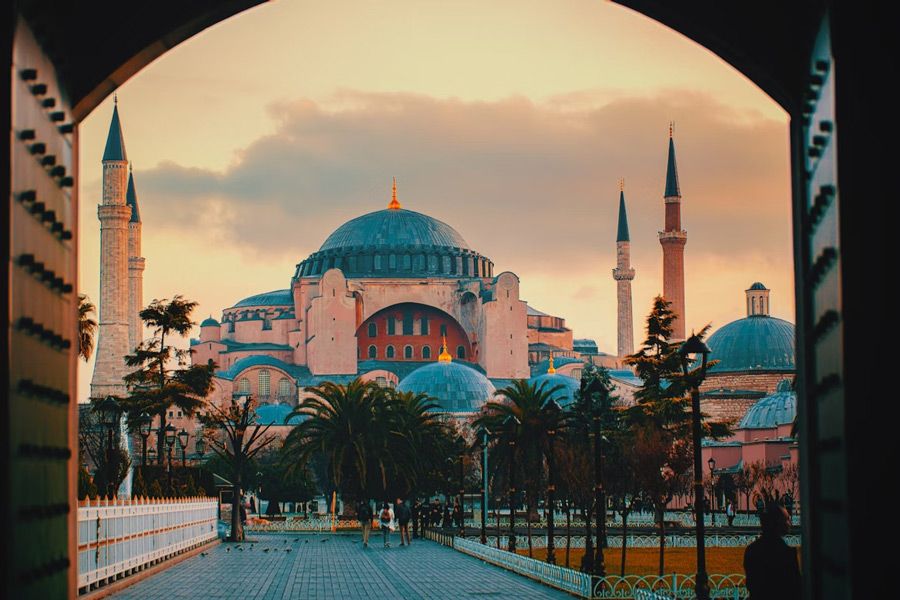
İstanbul is a city rich in centuries of history, a crossroads of empires and faiths. This legacy is vividly seen in its two most iconic landmarks, the Hagia Sophia and the Blue Mosque, which face each other across Sultanahmet Square.
The Hagia Sophia was consecrated in 537 under Emperor Justinian, and was the largest church in Christendom for nearly a millennium. Over the centuries, it’s been reshaped by shifting powers: converted to a mosque after the Ottoman conquest of 1453, turned into a museum in 1935 under Atatürk, and restored as a working mosque again in 2020.
Directly opposite, the Blue Mosque (Sultan Ahmet Camii) was built between 1609 and 1616 by Sultan Ahmet I. Its cascading domes and six slender minarets dominate the skyline, while inside, tens of thousands of blue İznik tiles and over 260 windows flood the vast prayer hall with light. Its proportions are perfectly balanced, and its atmosphere remains both grand and intimate.
 British Airways
Marrakech, Morocco
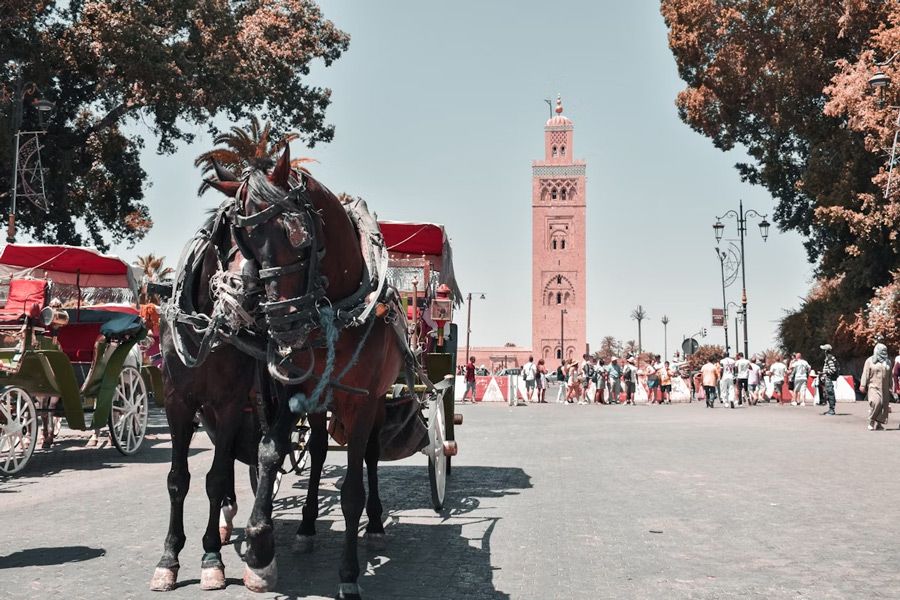
Marrakesh, the fabled "Red City," has lured in traders, travellers, and the merely curious for nearly a thousand years. Its medina is a maze where you can spend hours weaving past pyramids of spice, brass lanterns, and alleyways that seem designed to keep you wandering in circles.
The Koutoubia Mosque is Marrakesh’s main landmark, its 12th-century minaret still the tallest point on the skyline and a model later copied in Seville and Rabat. The arches are perfectly measured, the proportions exact, and the absence of stairs curious enough to spark conversation (the ramps were built so the muezzin could ride a horse to the top). Close by, the Bahia Palace shows what wealth looked like in 19th-century Morocco: marble courtyards, painted cedar ceilings, and mosaics made by craftsmen from Fez. Walking through it, you can almost picture the guests trying to decide whether to look impressed or jealous.
For a different flavour, the Mouassine quarter showcases Saadian-era architecture, graceful riads, and a restored public hammam alongside hidden gems like Dar Cherifa and Le Jardin Secret. Just beyond, Djemaa El Fna pulls you back into the swirl of Marrakesh with drummers and snake charmers making sure you’re never too relaxed for long.
 British Airways
Kyoto, Japan
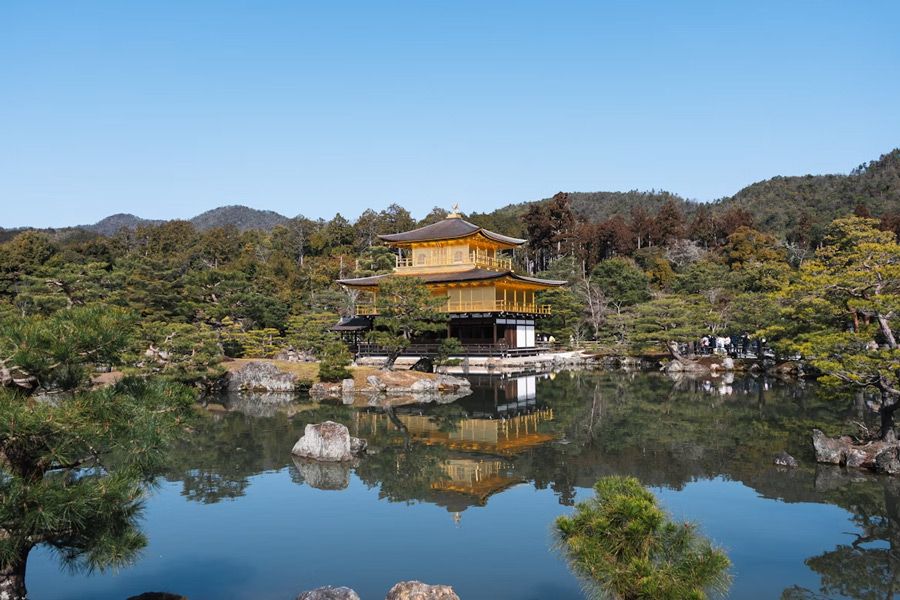
Once Japan's imperial capital, Kyoto is now the country's spiritual heart, home to more than 1600 Buddhist temples and 400 Shintō shrines. Kinkaku-ji still steals the show, its gold-leaf skin shimmering so perfectly across its pond that even the koi must feel underdressed. Kiyomizu-dera, founded over 1,200 years ago, balances on a vast wooden veranda above the hillside, where the views stretch as far as your patience with crowds.
For something that feels more cinematic, Fushimi Inari-Taisha is one of the most iconic landmarks of Kyoto, providing a hypnotic walk through thousands of vermilion torii gates climbing into the wooded hills. Zen lovers head to Nanzen-ji, famous for its sprawling grounds and Leaping Tiger Garden, while Tenryū-ji in Arashiyama comes with a 14th-century landscaped garden. Then there's the astonishing Sanjūsangen-dō, home to 1001 nearly life-size statues of Kannon, the Buddhist goddess of mercy, aligned in a hall that seems to stretch forever.
Final Thoughts
Travel has a way of connecting centuries, and you’ll feel that vividly when you stand in front of architecture from Greece or lose yourself in Rome sightseeing. Journeys like these remind us that some wonders are simply timeless. The best part is that many of them are closer than you think, thanks to British Airways reward flights. You can use Avios points for flights across Europe and beyond, and when you’re ready to spend Avios points, always remember to set alerts before the most popular seats disappear. After all, the world’s most remarkable architecture is only ever a flight away.