Miniaturism is the art of reducing life-sized objects to a smaller scale to be studied in detail. On the face of it, it might seem that we’re missing out on appreciating the bigger picture, but there's something about reducing things in size that has the opposite effect. It increases focus.
Small towns work in much the same way as miniature art. Despite their modest scale, their personalities are often far more intensely concentrated than their big-name counterparts. Wandering through places where traditions haven't been repackaged for scale is often the most direct way to understand a destination.
This shift away from headline sights points to a deeper question: why do we travel? If the answer is atmosphere and a sense of place, then swapping big, touristy attractions for their lesser-known equivalents often delivers more. Small towns may lack instant name recognition, but they reward patience with authenticity that rarely survives mass tourism.
In this article, we look at ten of the prettiest small towns and how to spend Avios points to reach them. These are places that prove you don't need to aim for the biggest dot on the map to have the most rewarding holiday.
Fornalutx, Mallorca
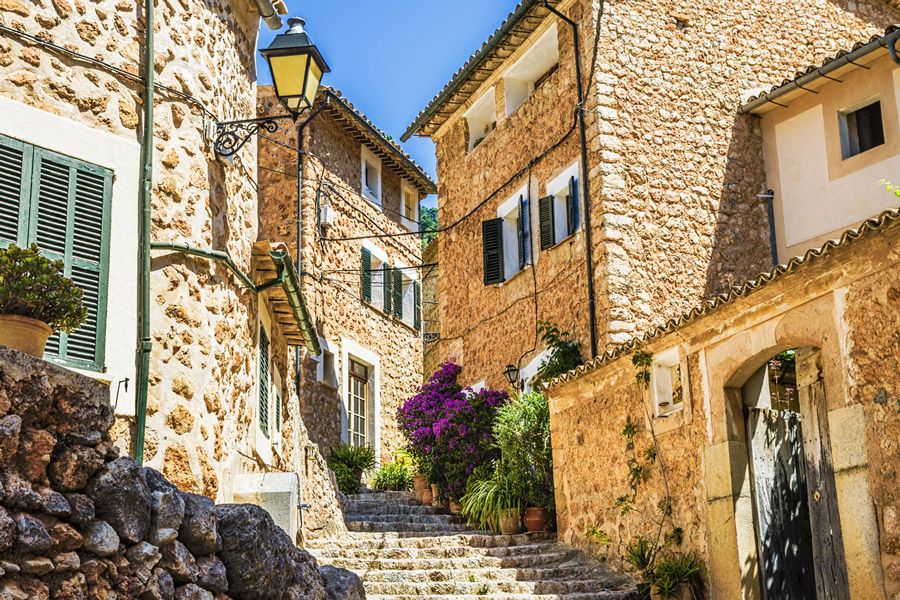
Fornalutx is Mallorca at its most outdoorsy. Set high in the Serra de Tramuntana, it’s a small mountain village with narrow lanes and tightly packed houses that climb the hillside beneath Puig Major, Mallorca's highest peak (don’t forget to pack walking shoes). Holidays to Mallorca usually involve the great outdoors with terraced vineyards and citrus groves framing the village, and Fornalutx ticks all the boxes.
At the centre of the town is a 16th-century parish church, with a public fountain locals swear you'll return for and staircases that double as streets. Fornalutx lies right next to the Dry Stone Route, which makes it a natural base for walking the Tramuntana. But even without hiking on the agenda, the village is perfect for slow wanderings and long pauses.
You can fly from London to Palma on an off-peak return British Airways flight using Avios in Economy for 26,000 Avios plus £2. Fornalutx is around a 30-minute drive from Palma Airport, making it an easy add-on to holidays to Mallorca.


 British Airways
Quick tips
- Come early or stay overnight to see the village before day-trippers arrive.
- Comfortable shoes matter more here than beachwear.
- Pair it with Sóller for food and transport links.
- Late afternoon light is best for wandering and photos.
Blackheath, Australia
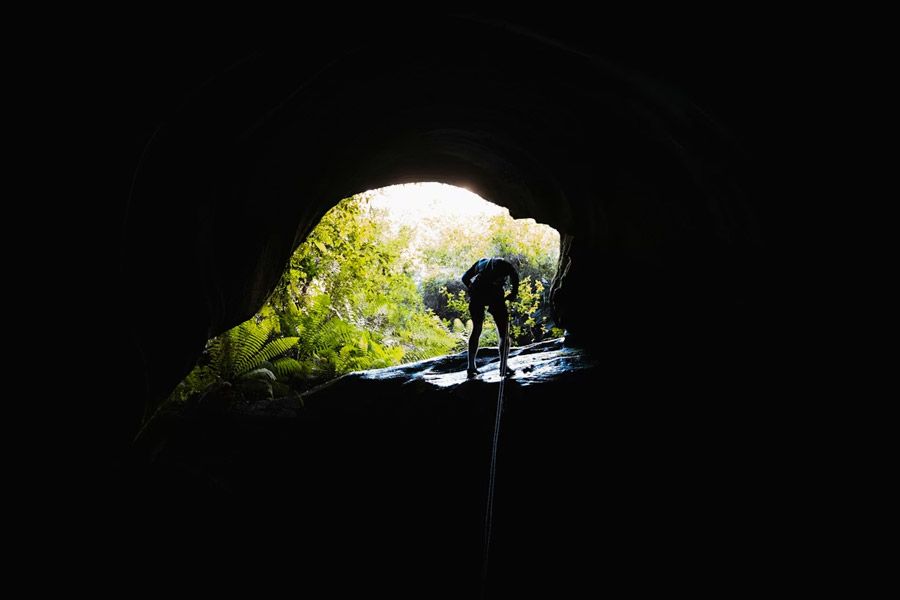
Sitting at over 1,000 metres above sea level in the western reaches of the Blue Mountains, Blackheath feels a long way from the noise of the coast and even further from any sense of hurry. It's the perfect holiday spot if you’re wondering how to use Avios points and want some great outdoors without the crowds. Much of the town edges straight into protected bushland, with lookouts opening onto the Grose Valley and walking tracks that follow escarpments, waterfalls, and forested gullies.
Govetts Leap is the headline view, where Bridal Veil Falls drops sharply into the valley below, but Pulpit Rock makes a convincing case for second place with wide views at the end of an easy walk. Away from the cliffs, Blackheath has a slower side too, with formal gardens, famous rhododendron displays, a handful of small cafés, and a compact town centre that still feels local. It works best when you don’t overplan and use it as a base for walking, picnicking, and slowing down.
You can book a British Airways flight using Avios from London to Sydney on an off-peak return in Business Class, costing 319,000 Avios plus £799. Blackheath is around a 1.5-hour drive from Sydney.
 British Airways
Quick tips
- Stay at least two nights. It's not a tick-and-go stop.
- Govetts Leap at sunrise is worth the early alarm.
- Pack layers. It’s cooler than Sydney year-round.
- Use it as a base rather than trying to see everything in a day.
Morcote, Switzerland
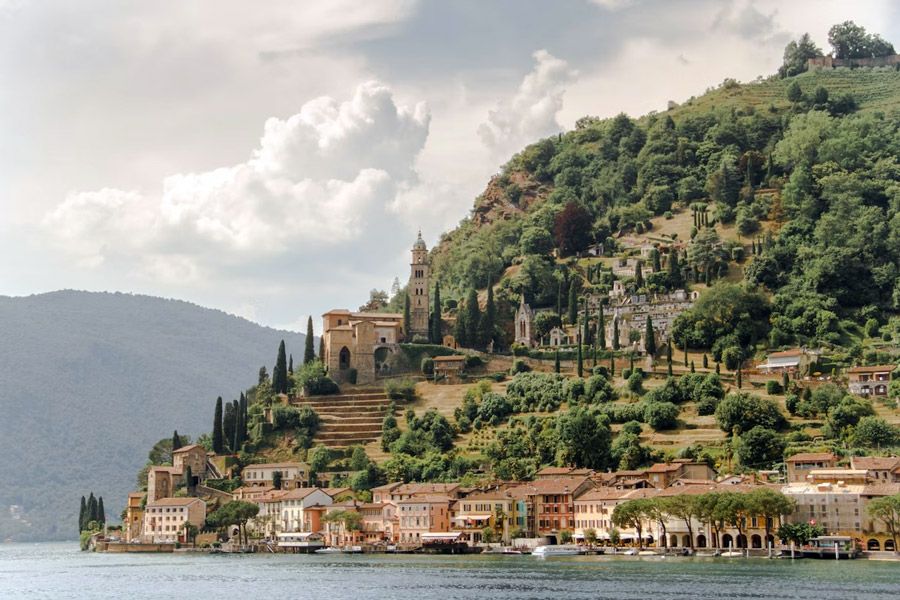
You know a town must be doing something right if it regularly ends up on a list of the prettiest towns in Switzerland, and Morcote earns that reputation without trying too hard. Situated along the shores of Lake Lugano, Morcote began life as a fishing village before growing into a medieval trading post, and it still wears that history. Much of it feels carefully preserved, as if the town simply carried on while the rest of the world changed.
The climb up to Santa Maria del Sasso is full of terraced cemeteries, chapels, and wide views across the water, while the lakefront comes with views of loggias, frescoed façades, and cafés facing boats drifting in from Lugano as if on cue. Subtropical gardens spill down towards the shoreline, and the village's narrow lanes reward slow wandering.
London to Zurich on an off-peak return in Economy costs 20,000 Avios plus £2. From Zurich, Morcote is around a 2.5-hour drive, or you can continue onwards by train and boat via Lugano for a more scenic approach.
 British Airways
Quick tips
- Arrive by boat from Lugano if you can. It sets the tone.
- The walk up to Santa Maria del Sasso is short but steep.
- Early mornings are blissfully quiet.
- Combine with a night in Lugano for balance.
Bayeux, France
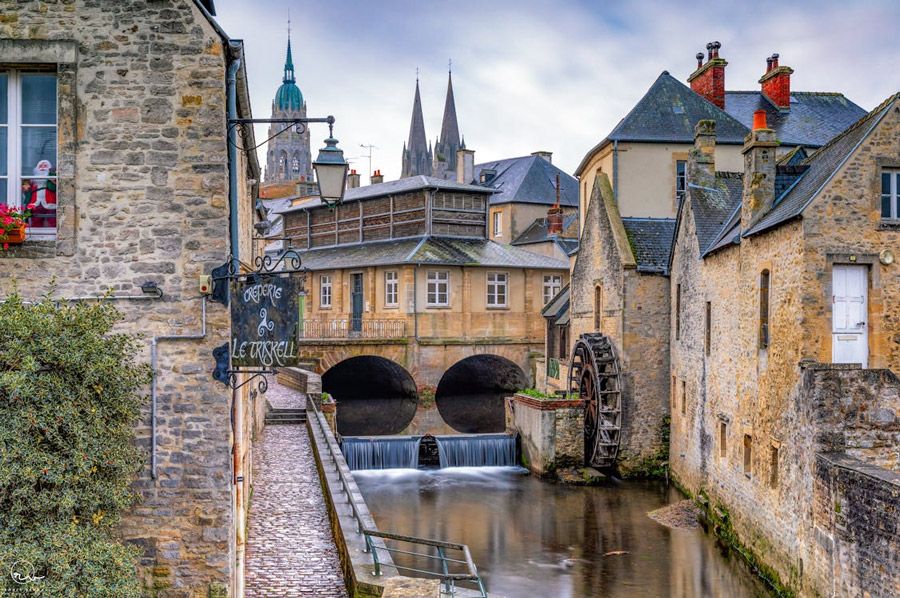
Bayeux feels unusually intact for a town so close to the Normandy landing beaches, and that sense of continuity is part of its pull. Miraculously spared from heavy bombing during World War II, Bayeux retains its medieval street plan, half-timbered houses, and the steady presence of the River Aure, where old waterwheels still turn beside stone buildings that have stood for centuries.
The town is best known for the Bayeux Tapestry, an 11th-century embroidered chronicle of William the Conqueror's invasion of England, now displayed in a former seminary. However, Bayeux never feels like a single-sight stop. The cathedral dominates the skyline with authority, but there are plenty of museums, war memorials, and narrow lanes for slower exploration.
For a chance to revisit England's history, you can fly from London to Paris on an off-peak return in Economy, costing 20,000 Avios plus £2. Bayeux is about a 2.5-hour drive from Paris, or an easy onward train journey into Normandy.
 British Airways
Quick tips
- Visit the tapestry early to avoid crowds.
- Stay central so you can explore on foot.
- Use Bayeux as a base for Normandy beaches.
- Evenings are for slow walks along the river.
Los Olivos, California
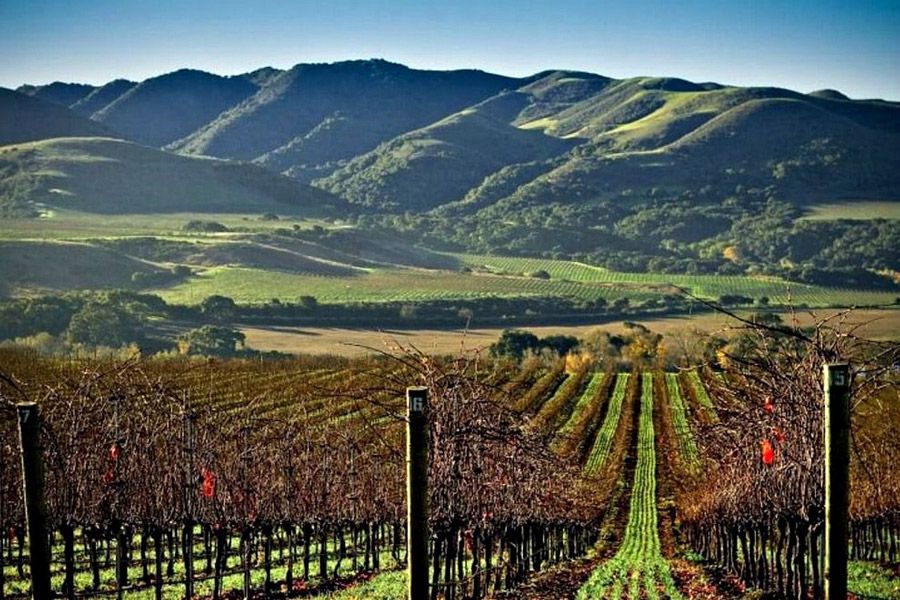
If you’ve ever wondered if there’s more to California than Los Angeles with its glitz and glamour or San Francisco with the Golden Gate Bridge, you’re right, there is. A good place to start is to step out from the noise of Los Angeles and discover Los Olivos. Los Olivos was initially a modest stagecoach stop in the 1860s, and that small-scale, self-contained feel still defines it today.
Centred around a single main street, the town is built on Victorian storefronts, historic taverns, and an almost improbable concentration of wineries, with nearly 30 tasting rooms packed into a walkable patch of California's Central Coast. Surrounded by low hills and vineyards, Los Olivos has become a serious food and wine destination as of recently, known for thoughtful pinot noirs and chardonnays and for producers working with organic and biodynamic methods.
Don’t forget to visit Mattei's Tavern, which was once a resting point for travellers on horseback and has now become an anchor for the town's sense of continuity. Seasonal festivals focused on wine, olives, music, and food will give you a sense of how closely daily life here is tied to what grows in the surrounding landscape.
You can fly into Los Angeles on an off-peak return in Business Class costing 198,000 Avios plus £499. Then, drive roughly an hour north into Santa Barbara County to reach Los Olivos.
 British Airways
Quick tips
- Book tastings ahead on busy weekends.
- Pace yourself. Everything is walkable.
- Stay overnight to avoid driving after tastings.
- Mattei’s Tavern is worth a stop, even if you’re not staying.
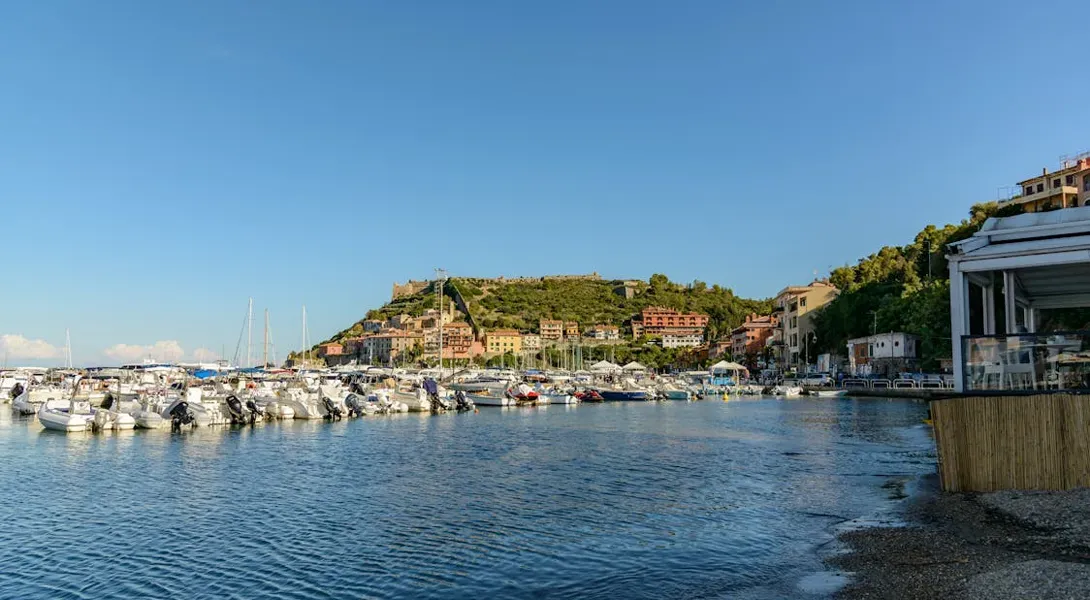
Porto Ercole, Tuscany
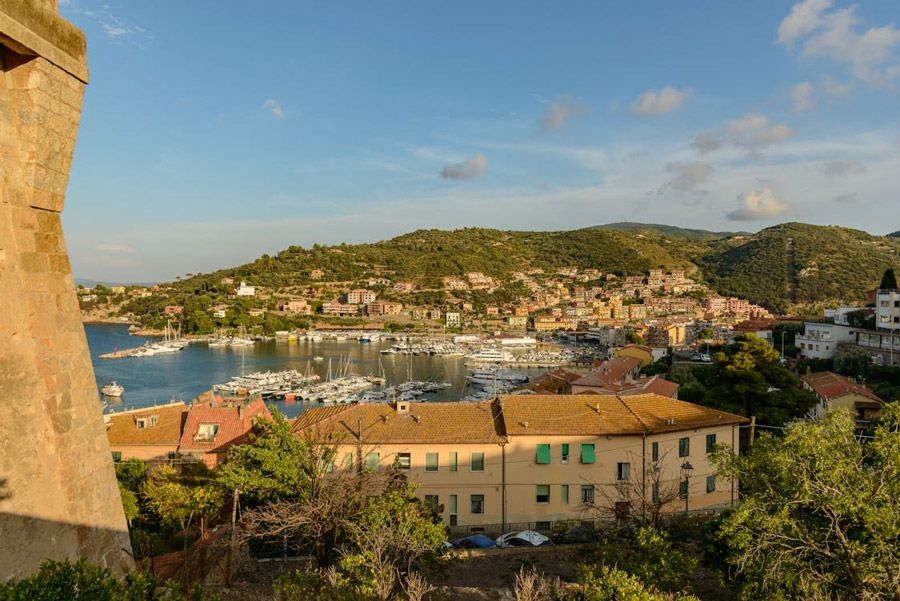
No holiday to Italy is complete without visiting Tuscany. Porto Ercole has long been a summer refuge for Italian travellers who prefer discretion, and that understated appeal still defines it today. Set on the Monte Argentario peninsula, the town is spread out around two small harbours, with a modern waterfront of restaurants and boatyards below and an older hilltop settlement pressed against the remains of Spanish fortifications above.
Its history runs from Etruscan and Roman roots through centuries of strategic importance under papal, Sienese, and Spanish rule, which explains the network of forts that still dominate the surrounding headlands. Life here moves at a measured pace: mornings by the water, afternoons wandering narrow streets beneath Rocca Spagnola, and evenings along the lungomare watching boats drift back into the bay. Add easy access to sandy beaches, clear swimming coves, and the Corsini botanical garden, and Porto Ercole feels like an easy place to settle into.
For an unforgettable holiday in Italy, fly from London to Rome on an off-peak return in Economy costing 26,000 Avios plus £2. From Rome, Porto Ercole is around a two-hour drive along the Tuscan coast.
 British Airways
Quick tips
- A car makes life much easier here.
- Visit outside August for quieter beaches.
- Walk up to the forts for sunset views.
- This is a stay-put town, not a checklist destination.
Geraci Seculo, Sicily
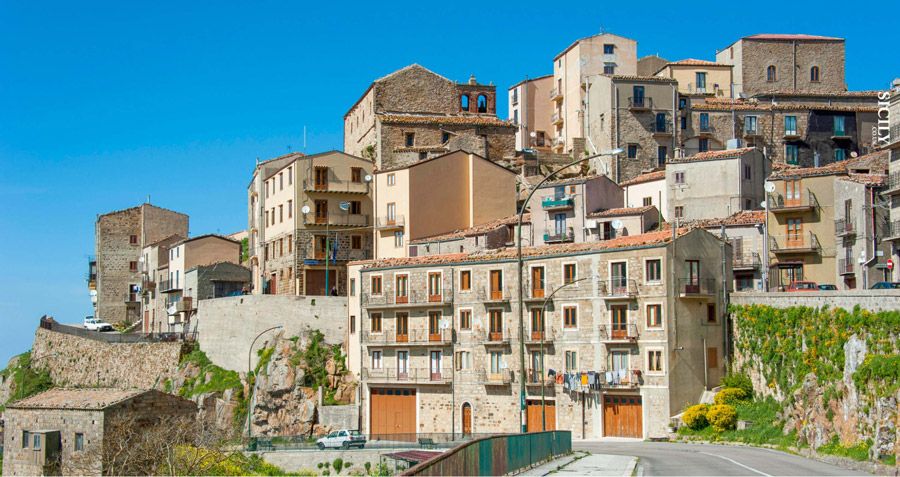
How can one talk about Italy without mentioning Sicily? Long before “The White Lotus” made the region a household name, Sicily, the largest Mediterranean island, just off the "toe" of Italy's "boot”, has been holding its own. And one town that deserves some of the credit is Geraci Seculo.
Sitting high on a rocky ridge in Sicily's Madonie Mountains, over 1,000 metres above sea level, Geraci Seculo feels shaped as much by altitude as by time. As you approach, the village appears almost carved from the hillside itself, with stone houses clustered tightly together and narrow lanes winding upward toward the ruins of the Ventimiglia Castle.
Geraci's long history is written into its churches, fountains, and fortifications, from Byzantine and Norman layers to later Baroque flourishes, and walking its streets feels like moving through a compact archive of Sicily's inland past. The views stretch across valleys and forests, while inside the village, you'll find quiet courtyards, small museums, and a strong sense of continuity rooted in local traditions, seasonal festivals, and life shaped by the surrounding Madonie Regional Park.
London to Palermo on an off-peak return in Economy costs 26,000 Avios plus £2. From Palermo, Geraci Siculo is around a 1.5-hour drive inland into the Madonie Mountains.
British Airways
Quick tips
- Go hungry. Meals here are generous and unhurried.
- Expect cooler temperatures than coastal Sicily.
- Learn a few Italian phrases. English is limited.
- Perfect paired with hiking in the Madonie Park.
Saugerties, New York

There's more to New York State than 'The Big Apple', and that becomes more and more apparent the further you move away from Manhattan and down the Hudson River. As the city’s noise drowns out, you’re rewarded with Saugerties, once a Dutch farming settlement that later grew into an industrial river town and has since reshaped itself around art and a slower tune of life. The setting does most of the work: river trails lead out to the historic lighthouse, the Catskills rise in the background, and a dense forest sits right at the town's edge.
What gives Saugerties its character is how deeply art fits into everyday life, from Opus 40, the vast bluestone sculpture built over decades by Harvey Fite, to the dense cluster of galleries, studios, and small venues packed into a compact downtown. Here, creative work isn't staged for visitors but folded into the town's identity, making it an easy escape for people who want culture without the crowds.
A London-to-New York off-peak return in Business Class costs 176,000 Avios plus £399. From New York City, Saugerties is around a 2-hour drive north into the Hudson Valley.
British Airways
Quick tips
- Best visited from late spring to early autumn.
- Opus 40 needs time. Don’t rush it.
- Great base for Catskills day trips.
- Weekdays are noticeably quieter than weekends.
Koh Samet, Thailand
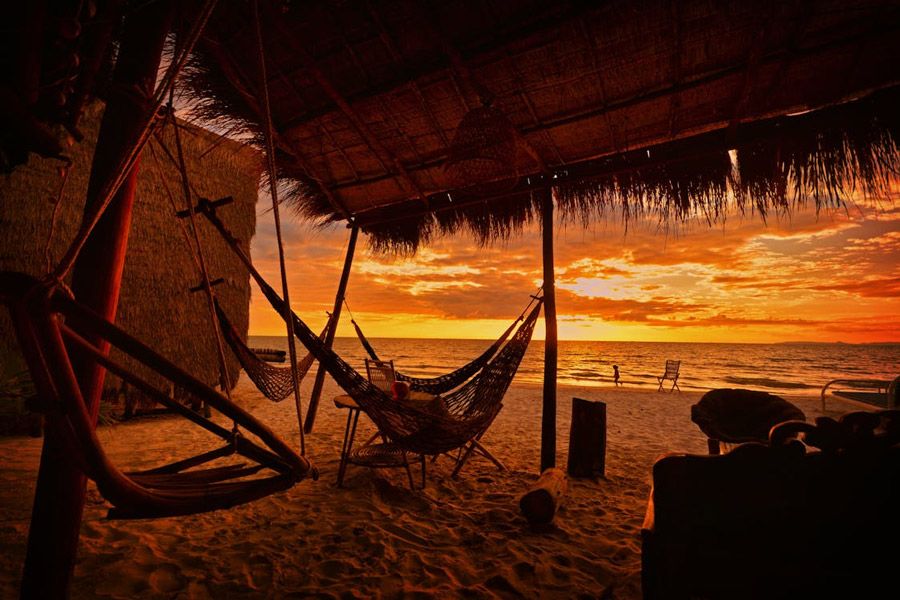
Koh Samet feels implausibly close to Bangkok for somewhere with sand this pale and water this clear. The island sits just off Thailand's eastern seaboard and feels surprisingly close to the capital. At just seven kilometres long, it’s easy to navigate, but varied enough to justify a few unhurried days. Its appeal lies in contrasts: lively stretches around Na Dan and Sai Kaew Beach, where restaurants, bars, fire shows and water sports cluster close to the ferry pier, and quieter bays further south and west that feel noticeably removed once you round the headlands.
Much of the island lies within Khao Laem Ya–Mu Ko Samet National Park, which helps preserve the forests and keep the beaches clean and good for swimming. It’s long been a go-to weekend escape for Thais, especially at weekends. While it can feel busy at peak times, Koh Samet remains one of the best ways to combine island scenery and good food without flying deep into southern Thailand.
For a holiday in one of the best places to visit in Thailand, you have to fly from London to Bangkok on an off-peak return in Business Class, costing 220,000 Avios plus £599. From Bangkok, expect a taxi and ferry transfer of around three hours to reach Koh Samet.
 British Airways
Quick tips
- Book transfers in advance during peak weekends.
- Head south or west for quieter beaches.
- Ideal for 2–4 nights rather than a long stay.
- Fire shows are fun once; bays are better twice.
Suzhou, China
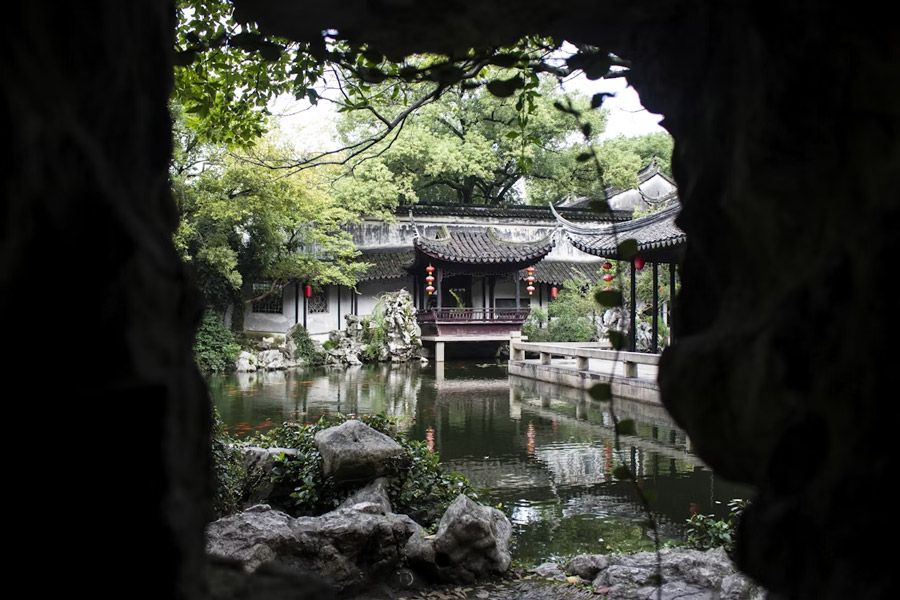
Suzhou is often described as China's most elegant small city, and it earns that reputation through its attention to detail. Its old quarters unfold along canals lined with stone bridges, whitewashed houses and narrow pedestrian streets such as Shantang and Pingjiang, where daily life plays out beside tea houses, markets and modest homes built directly onto the water. Suzhou is most famous for its classical gardens, such as the Lingering Garden, the Humble Administrator's Garden, and the Lion Grove Garden.
Beyond the gardens, canal boats slide past corners of the city that can’t really be modernised, while historic sites like Panmen Gate and the Grand Canal remind you how deeply water and trade shaped the city. Evenings bring a shift in mood as lanterns light the canals, opera houses open their doors, and streets fill with locals rather than tour groups, making Suzhou feel lived-in.
A London-to-Shanghai off-peak return in Business Class costs 220,000 Avios plus £599. You can then drive from Shanghai for around an hour to reach Suzhou.
 British Airways
Quick tips
- Stay overnight to see the canals after dark.
- Visit gardens early for breathing room.
- Walk rather than hop between sights.
- Pair with Shanghai, but don’t rush back.