Australia is the trip people talk about for years before they actually take it. The distance alone can feel daunting from Europe; the flight from London to Sydney takes close to a full day. But once you arrive, the country’s vastness starts to justify the effort.


 British Airways
It’s the ultimate choose-your-own-adventure destination. For a country the size of a continent, with over 10,000 beaches and 500 national parks, it really has a way of making the rest of the world feel smaller. And the best part is that it works for almost every kind of traveller because of its sheer variety. The challenge, more often than not, is deciding which parts of the country to prioritise.
With that in mind, let's look at how different travellers can experience the Land Down Under in their own way and how you can book flights using Avios.
The Experience-First Traveller
Let's start with travellers who plan trips around memorable moments, because most of us have been there. Rather than getting in the never-ending race of ticking off landmarks, this type of traveller prefers quality over quantity: to be in the moment and to let it wash over them.
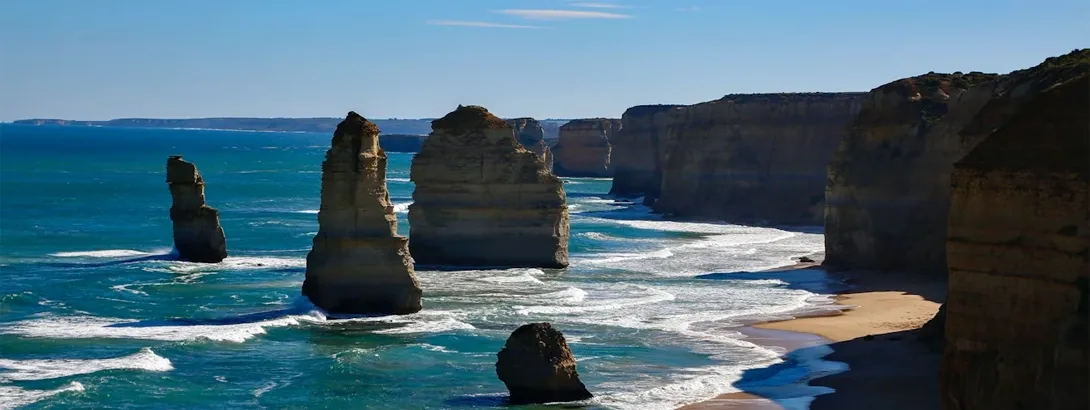
Australia is ground zero for such experiences. Snorkelling in wildlife-rich waters or driving the coastal bends of the Great Ocean Road often becomes the kind of memory people carry home.
Ultimately, what you term as a memorable moment is only limited by the extent of your imagination. Food lovers can spend days exploring Melbourne's café culture and markets, wildlife fans can see animals they've only ever seen in documentaries, and adventure seekers can hike coastal trails, surf world-class beaches, or take road trips through landscapes that change dramatically every few hundred miles.
Our Top Tips for Experience-First Travellers:
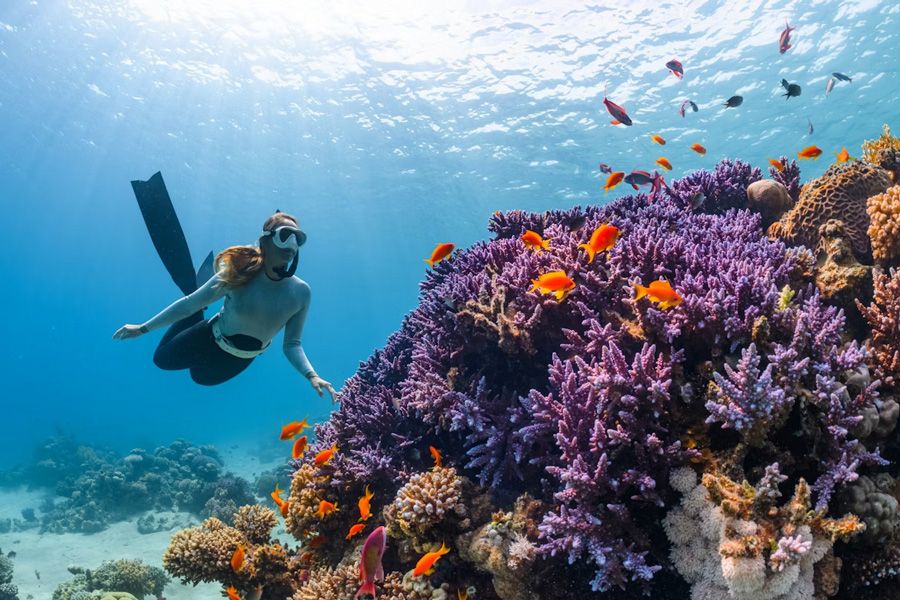
- Start with the natural wonders: Exploring the Great Barrier Reef, watching sunrise over Uluru, or driving along the dramatic cliffs of the Great Ocean Road regularly appear on travellers' bucket lists.
- See wildlife you simply won't find elsewhere: Even before Steve Irwin put Australia's wildlife on the screen, travellers have been coming here for encounters unlike anywhere else. Spot kangaroos in open grasslands, see koalas in eucalyptus forests, or head out on marine tours to watch dolphins, turtles, and whales.
- Build a trip around outdoor adventure: Surfing, sailing, hiking in national parks, and island hopping are central to the way many Australians experience their own country.
- Experience multiple landscapes in one journey: Few destinations have such dramatic variety in a single trip. You can combine cities, tropical islands, wine regions, rainforests, outback landscapes, and beach culture, all within one country.
Luxury Travellers
Luxury in Australia tends to look a little different from what you might expect elsewhere. It’s rarely about marble lobbies or formal service. More often, it’s about being somewhere extraordinary and having the time and space to enjoy it properly.
You see this most clearly in the country’s lodges and retreats. Some sit on the edge of the Outback, where the landscape stretches uninterrupted to the horizon. Others overlook coral reefs, vineyards or dense forests. The appeal is the feeling of being somewhere remote while still having the details taken care of: good food, knowledgeable guides and a place to return to after a long day outdoors.
Many luxury trips in Australia follow a slower itinerary. You might spend a few days sailing through the Whitsundays, another few exploring wine country in South Australia or Western Australia, and perhaps a night or two crossing the interior by train. Even in the cities, luxury tends to centre around access: a harbour-view hotel in Sydney, a table at a sought-after Melbourne restaurant, or a private tour that reveals a different side of a familiar landmark.
What stands out most is the sense of space. Australia simply has more of it than most places, and that changes the way people travel.
Our Top Tips for Luxury Travellers:
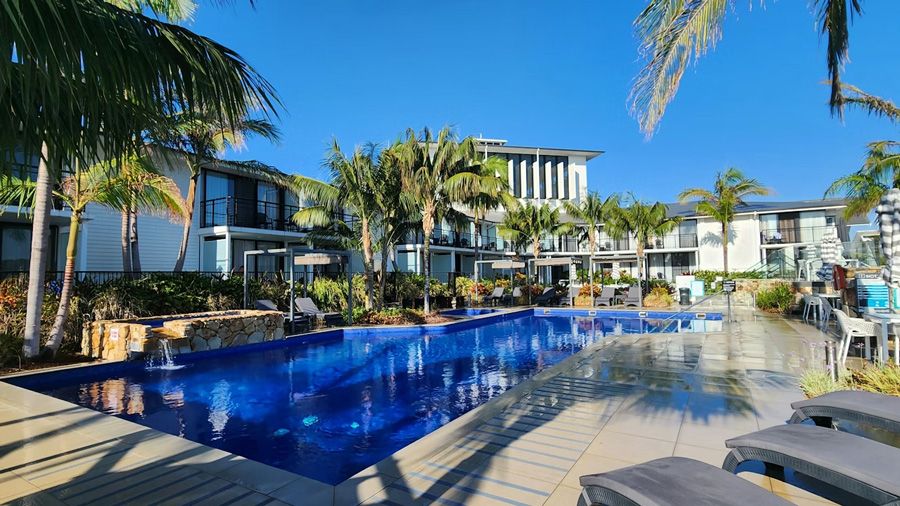
- Stay somewhere spectacular: Choose hotels that put you in the middle of the landscape rather than in the middle of a city. Think private outback lodges near Uluru, island resorts, or boutique wilderness retreats in Tasmania.
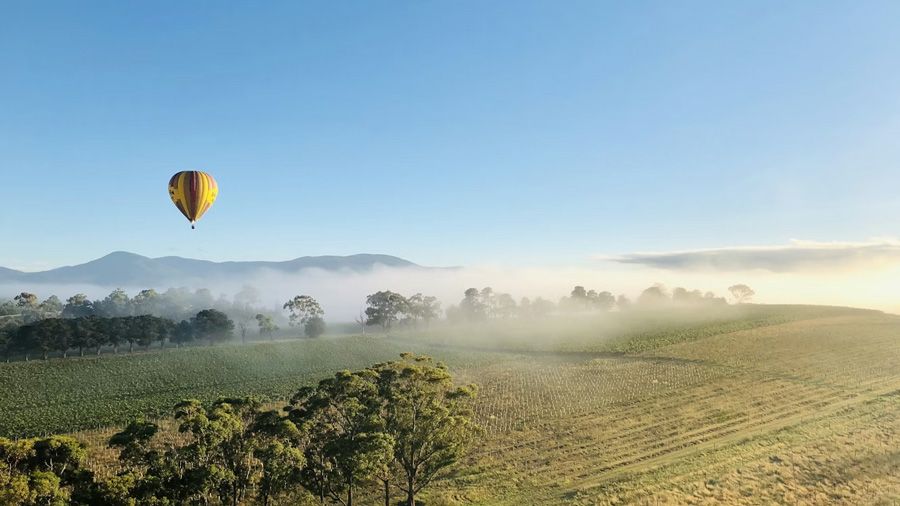
- Explore Australia's wine regions: Luxury trips often include time in world-class wine regions like the Barossa Valley, Margaret River, Yarra Valley, and Hunter Valley, where private tastings and vineyard lunches are part of the experience.
- See the reef from a different angle: Everyone snorkels, but if you can, a helicopter flight over the Great Barrier Reef or a private reef charter is one of the most memorable ways to experience this natural wonder.
- Travel slowly and enjoy the space: If time and budget are not constraints, Australia needs to be savoured rather than rushed through. One of Australia's greatest luxuries is simply the scale of the country: vast landscapes, secluded resorts, and far fewer crowds than many traditional luxury destinations.
- Consider a rail journey: Long-distance trains such as The Ghan make it possible to cross vast stretches of the continent while watching the landscape slowly change outside the window.
- Don’t try to see everything: Pick a few regions and give yourself time to experience them properly.
Family Travellers
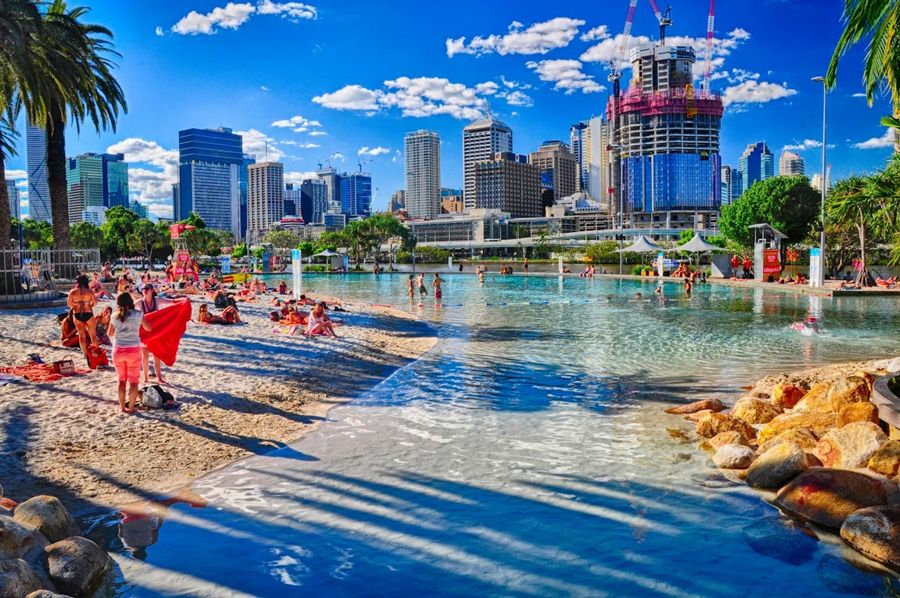
Travelling with family means accepting that the itinerary is really just a suggestion. One person wants beaches, another wants wildlife, someone insists on a museum, and by mid-afternoon, everyone just wants lunch. Australia turns out to be unusually good at keeping everyone happy.
Part of the reason is simple: there’s space. Cities like Sydney, Melbourne and Brisbane feel relaxed, with parks, waterfront walks and beaches never too far away. Kids can run around, adults can slow the pace a little, and no one has to spend hours trapped inside museums unless they actually want to.
Our Top Tips for Family Travellers:
- Choose a few easy bases: Australia is, on the whole, a very family-friendly place. The bigger your brood, the greater the fun. Cities like Brisbane, Darwin, Sydney, and Melbourne are safe and easy to navigate with children. Families can enjoy harbour walks, parks, museums, aquariums, and zoos without constant packing and unpacking.
- Leave time for beaches: With over 10,000 beaches to choose from, Australia's coastline has some of the best family beaches in the world. Places like Bondi, Noosa, and the Gold Coast have lifeguard-patrolled swimming areas, gentle waves, and plenty of space for kids to run around.
- Make wildlife part of the plan: Seeing kangaroos, koalas, or penguins in the wild is often the highlight of a family trip. Popular experiences include koala encounters near Brisbane, penguin parades at Phillip Island, and wildlife parks across the country.
- Drives can double as outdoor classrooms: Australia's landscapes make learning fun. Families can explore rainforest trails or learn about Indigenous culture and the natural environment.
- Mix sightseeing with hands-on experiences: Australia's museums and cultural centres often include interactive exhibits designed for younger visitors. Science centres, art galleries, and indigenous cultural experiences make sightseeing more engaging for kids.
- Plan for plenty of time outdoors: Beach days in summer, national park walks, rainforest cableway rides, and winter skiing mean families can stay active year-round.
- Choose accommodation that gives everyone space: Serviced apartments, beach resorts and holiday parks often work better than standard hotel rooms when travelling with children.
The Wellness Traveller
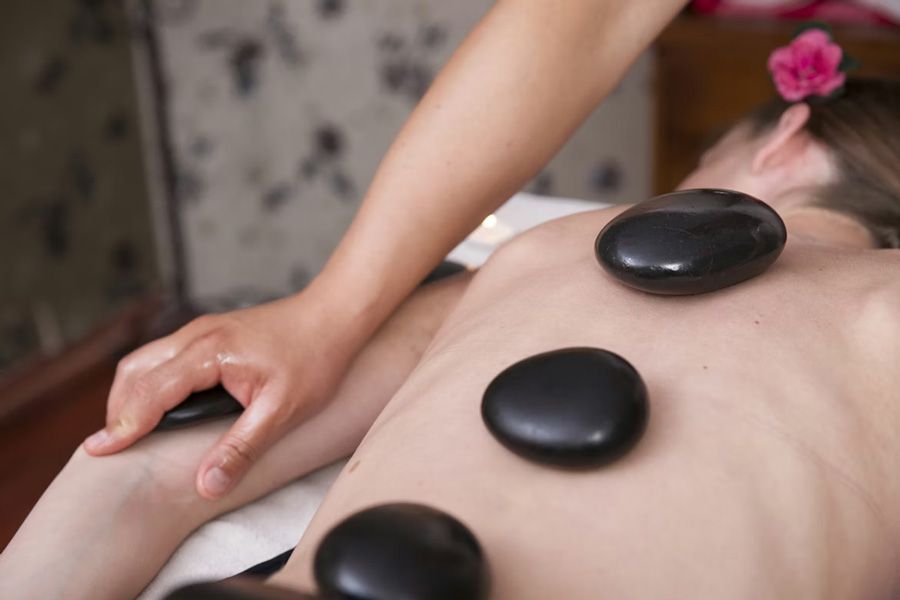
Wellness travel isn't exactly a new phenomenon. However, since the pandemic, there has been a surge in people coming to Australia looking to heal, relax, and improve their mental well-being.
In many parts of the country, nature sits close enough to daily life that stepping away from the noise feels easy. Coastal walks stretch for miles, rainforests stay cool even in the heat of the day, and sunrise swims have become something of a ritual in beachside towns.
Wellness travel here rarely feels overly curated. It often looks simpler than that: a morning swim in the ocean, a long walk through bushland, an afternoon at a thermal spring or spa, and a dinner built around fresh local produce. Across the country, you’ll also find yoga retreats, small eco-lodges and wellness centres that focus less on luxury spectacle and more on helping visitors slow down.
Our Top Tips for Wellness Travellers
- Reset in nature: Australia's landscapes naturally lend themselves to slower travel. Rainforests near Cairns, desert scenery around Uluru, and wildflower-filled landscapes in Western Australia are peaceful environments that encourage mindfulness, walking, and time outdoors.
- Visit dedicated wellness regions: Byron Bay in New South Wales is known for yoga studios, holistic therapies, and relaxed coastal energy, while the spa town of Daylesford near Melbourne and Western Australia's Margaret River region regularly host popular wellness retreats.
- Try a digital detox in remote landscapes: Australia's wide-open spaces make it easy to unplug, especially in places where the loudest sound tends to be the wind, the ocean or the occasional bird call.
- Recharge at world-class wellness retreats: Retreats such as those in the Gold Coast hinterland or bushland areas outside Sydney provide spaces designed specifically for rest and recovery.
- Explore natural spas and thermal springs: Thermal springs and outdoor bathing spots appear in several parts of the country and pair well with a slower itinerary. Try Peninsula Hot Springs in Victoria, where travellers can soak in mineral-rich waters surrounded by peaceful landscapes.
- Discover Indigenous healing traditions: Many wellness experiences also draw on the knowledge of Aboriginal and Torres Strait Islander cultures. Guided walks and cultural tours can introduce visitors to bush medicines, native plants and traditional approaches to wellbeing that have existed for thousands of years.
How to get BA Reward Seats to Sydney
You’ll find daily British Airways flights to Australia from London Heathrow. Off-peak Premium Economy seat costs 176,000 Avios plus £550, while a Business Class seat costs 319,000 Avios plus £799.
In terms of availability, the cat's out of the bag, and Australia's no longer flying under the radar, so don't sit too long weighing the pros and cons. Here's the reality: flights to Australia are always in demand. With over 40 million Avios collectors worldwide, and 13 million members of the BA Club, seats can disappear fast. The London–Sydney route is one of the hardest to secure if you're relying on luck.
Forget the casual search-and-hope situation – you’ll need a bit of strategy:
Start early:
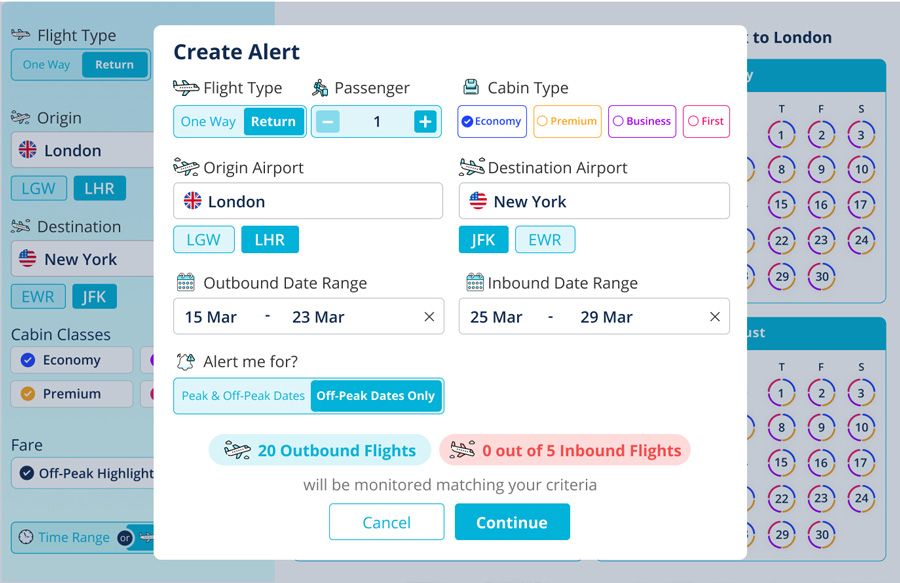
Set Reward Flight Finder (RFF) Alerts as soon as the schedule opens, around 11 months out. That's when seats are most likely to appear. Many people miss out by searching too late. Use a BA reward flight checker to monitor availability properly, because British Airways can release seats at unpredictable times.
Expect competition:
On a flight this long, sleep matters, and premium cabins go quickly. Alerts give you an edge and notify you instantly when Business Class seats appear.
Preparation helps:
Build your balance with purpose. Using welcome bonuses, strategic card spend, and Companion Vouchers can reduce the sting of a high Avios redemption. Flexibility is equally powerful. Off-peak and midweek departures often open up more availability. Even with Alerts set, it's worth checking periodically. Sometimes seats appear gradually rather than in one big release.
And if you're wondering which airlines use Avios, several partners across the oneworld alliance accept them, but for London to Sydney specifically, BA's daily service remains your best bet. If you're asking, "Where can I use Avios points for maximum impact?" this route consistently ranks near the top.
Choosing When to Visit Australia
Let’s pick the right time to visit because that can determine what you’ll end up doing. Australia's seasons run in the opposite direction to the U.K.'s, so timing matters. Here's the easy version:
- North (Great Barrier Reef, Darwin):
May to October is the best time with dry, sunny days, lower humidity, and clearer reef conditions.
- South (Sydney, Melbourne, Great Ocean Road, Tasmania):
December to February is ideal for beaches and coastal energy, while spring and autumn has milder weather and fewer crowds.
- Red Centre (Uluru):
March to May and September to November bring warm days and cooler evenings, making travel more comfortable than during the intense summer heat.
- Western Australia (Perth, Ningaloo, Margaret River):
Spring and autumn are best for pleasant temperatures, wildflowers in bloom, and excellent conditions in wine regions.