Don't you miss the days when the journey to a new place was as much an adventure as the destination itself? When a holiday wasn't restricted to a location – it also included the experience of getting there and taking in the scenery along the way. Now, with our fast-paced lifestyles and our need to maximise every minute within a limited time span, we often skip that part.
But there's good news – if you aren’t rushed for time and want to explore the breadth and beauty of Europe at your own pace, the best way is to travel by train. There's nothing quite like sitting by the window, watching the landscape change as mountains give way to lush green plains and rivers. For the ultimate rail adventure, we recommend getting an Interrail pass.
What Is an Interrail Pass?
An Interrail Pass is a railway pass available to residents of Europe (including the UK). It provides an affordable way to travel by train across multiple European countries on most railroads and some ferry services.
The Pass includes continuous and flex options that cater to different travel durations and frequency needs, allowing travellers to explore various destinations using a single ticket.
Why Get an Interrail Pass?
The railway connects 40,000 destinations in 33 countries across Europe. With a single interrail pass, you can visit multiple countries on this network and plan your trip for the best outcome. You get the flexibility to explore more of Europe through the interrail planner without the hassle of getting separate tickets for each country and flying there. It’s also the most environmentally friendly way to travel.
The same advice applies to a solo trip, going with friends and family, or whatever else your requirement might be: you will find an interrail pass that suits your needs. For example, you can choose a one-country interrail Pass or get the Global Pass if you want to see more destinations across Europe. The best thing to do is to use the Interrail Planner app, which lets you organise seat reservations for your journey, and you're good to go.
How To Use An Interrail Pass
You can buy your pass through the Interrail website. Once you’ve bought it, using it is quite straightforward. Here's how you can do it:
Add Your Pass to the App:
- Download and open the Rail Planner app.
- Go to the "My Pass" section and select "Add your Pass."
- Enter your last name and the Pass number from your order confirmation email
Connect a Trip:
- In the app, create a new trip or select an existing one.
- Each Interrail Pass needs a connected trip. If you’re travelling with multiple Interrail Passes or people, set up individual trips for each Pass.
Activate Your Pass:
- Before starting your travels, activate your Interrail Pass in the app.
- Fill in your passport or ID number (the one you'll travel with) and set your start date.
- Your Pass must be activated while online before you can board your first train.
Plan and Save Journeys:
- Use the Interrail planner in the app to search for train times and details.
- Save the journeys to your trip(s), ensuring you can add the same journey to multiple trips if needed.
Show Your Ticket:
- Access your ticket within the app by tapping "Show ticket" in the "My Pass" section.
- Ticket inspectors will scan the barcode on your ticket, which includes all your journey details for that day and your personal information. Have your ID ready for verification.
Now that you know how the interrail pass works, it’s time to start your trip. If this is your first time interrailing and you're wondering how to spend Avios, we recommend the following three interrailing routes.
Italy
Italy is a perfect candidate for a train adventure. Begin your interrail Italy journey from the northern regions and travel to the southern tip to explore the best the country has to offer. We suggest visiting the following places in each city to get the best out of your trip:
Milan
If you thought Milan was only famous for its fashion, think again. The world's largest Gothic cathedral, El Duomo is in Milan, along with Leonardo Da Vinci's famous painting, The Last Supper. It gets crowded quickly, so it's best to come early and try to go to the top of the cathedral to view the skyline.
The Navigli neighbourhood is a beautiful place to sit by the canal and enjoy the city. Don't miss the cortili, the courtyards behind the buildings where famous artists hang their work for all to see. Enjoying the opera at the famous Teatro alla Scala should also be high on your list of things to do. If you have time, you can take a train to the town of Bellagio and visit Lake Como.


 British Airways
Venice
Of course, nobody will believe you've been to Venice unless you ride along the Grand Canal on a traditional gondola. But there are other things you can do in the city built on 118 islands that are linked through 400 bridges. The best way to enjoy your interrail Italy trip in Venice is to put away the map and just go where the tracks lead you all over the small city centre.
Even before Dan Brown made them famous, sights such as St. Mark's Basilica, St Mark's Square, the Rialto Bridge, and the Bridge of Sighs were huge draws for tourists. And if you feel like leaving the city, the nearby island of Murano has some colourful glassworks to check out.
British Airways
Bologna
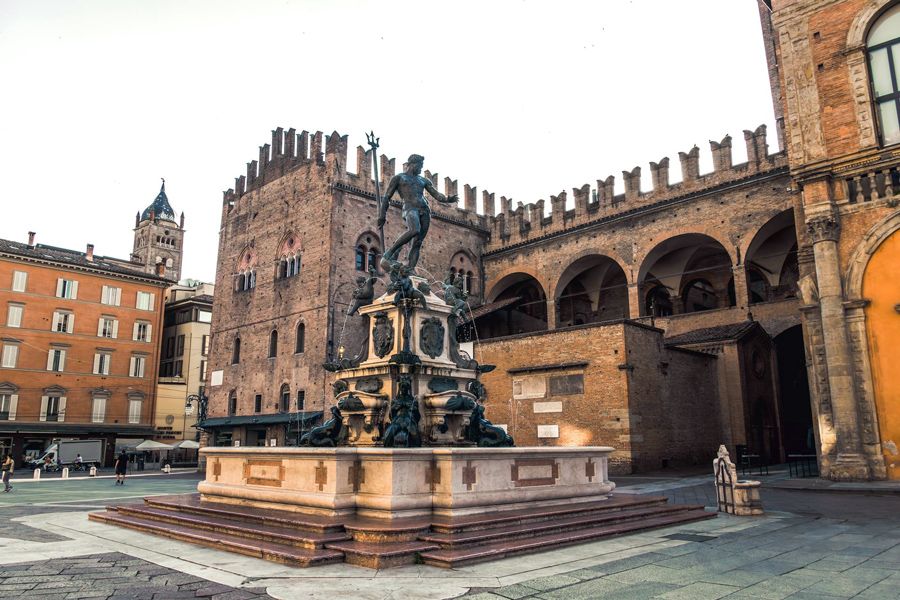
The Università di Bologna (The University of Bologna) was established in 1088 and is still the oldest university in the world. The building is a great example of well-conversed architecture. The Piazza Maggiore is famous for its beautiful views, especially the Fontana di Nettuno, which was completed in 1565. For a panoramic view of the city, climb the Asinelli Tower and gaze at the whole of Bologna below.
If you visit Bologna during the summer, you might catch the Sotto le stelle del Cinema (Under the Stars of the Cinema), which hosts a film festival in Piazza Maggiore. After such an energy-sapping adventure, choose from Bologna's various foods, such as ragu, tortellini, and mortadella.
British Airways
Florence
There are many things to do in Florence, the capital of Tuscany and the birthplace of the Renaissance. A good starting point would have to be the Duomo Cathedral. A trip to the Accademia Gallery of Florence lets you see the famous statue of David sculpted by Michelangelo. Visit the Scuola del Cuoio (Leather School), established after World War II by the Franciscan friars of the Monastery of Santa Croce, and learn about the art of making products from leather.
For a true feel of the city, take a boat ride on the Arno River with the Renaioli, who were once tasked with digging out the sand from the river to be used in the construction of the buildings. Every Italian city has its unique cuisine, and in Florence, you have to try the bistecca alla Fiorentina, a local version of a steak. You can also catch a train to visit the Leaning Tower of Pisa, which is nearby.
British Airways
Rome
No other city quite transports you back in time like Rome. Here, you can marvel at the scale of the Colosseum and gaze back at the historical relics at the Pantheon. While you're there, check out the Roman Forum, which is just a short walk from the Colosseum. It's the historical centre of Rome and sits in a valley between Palatine and Capitoline Hill.
There's always time to enjoy a gelato on the Spanish Steps, and don't forget to wish for good luck by throwing a coin in the Trevi Fountain. But if you truly want your friends back home to be jealous, visit Michelangelo's work at the Sistine Chapel. Take our word for it; all the long queues and waiting will be worth it.
British Airways
Naples
Established by the Greeks in the first millennium, Naples is one of the oldest European cities. Every trip to this ancient city begins at the Spaccanapoli – literally, "Naples splitter" – a busy, narrow street that goes through the Naples' Centro Storico (historical centre). No trip to Naples can be complete without trying the Neopolitan pizza. It is, after all, the birthplace of pizza. If you're feeling more adventurous, try their pizza fritta, a type of fried pizza that’s very popular with locals.
You can't come to Naples and not see the Amalfi Coast. You can choose from Sorrento, Capri, or Positano. For history buffs, there's a train that takes you to the ancient Roman city of Pompeii, which was buried under volcanic ash.
British Airways
Catania
Catania is the second largest city in Sicily and an important economic hub. The Cathedral of Catania within the Piazza is a great example of Norman and Baroque architecture. Check out the 13th-century Ursino Castle, which was built as part of the Kingdom of Sicily during the reign of Frederick II. You can also visit Mount Etna, Europe's most active volcano. If you have time, catch a train to Taormina, a beautiful town in Sicily.
If you’re wondering how to spend Avios for this adventure, you can fly out to Milan from London with 9,250 Avios, plus 50p in off-peak Economy. You can then interrail to Venice, Bologna, Florence, Rome, Naples, and Catania before flying back to London using 13,750 Avios, plus 50p in off-peak Economy.
- Passenger1

Scandinavia
The experience of a rail journey through Scandinavian countries depends on the time of the year you choose to visit. For long days and views of the water, it's better to visit during the peak summer season when the days are long. If you want to catch the snow and the frozen landscapes, then the winter season is best. Whichever season you choose, make sure to tick these things off your list:
Copenhagen
Copenhagen is home to the famous statue of the Little Mermaid, which inspired the Disney cartoon. Speaking of Disney, don’t forget to visit Tivoli Gardens, one of the world's oldest amusement parks. Next on the list is the colourful Nyhavn port, which was built as an alternative to the old port and was a busy commercial port for many years.
For those with a sweet tooth, Copenhagen is the perfect place to try some Danish delicacies, including Smørrebrød (rye bread open sandwich), Danish hot dogs, and, of course, a flaky Danish pastry. If you're up for some adventure and have time, take a train to Helsingør and visit Kronborg Castle, also known as Hamlet's Castle.
 British Airways
Bergen
Start your trip by taking some colourful pictures in front of the famous red and yellow buildings along the water on Bryggen Street. To get a birds-eye view of the city, catch the Fløibanen Funicular up to the top of Fløyen.
The Norwegian fjords (a series of long valleys carved out by glaciers over millions of years) are famous for their beauty. A perfect way to experience them is by planning a full-day cruise from Bergen to Flam if you have time. Next, book a sleeper train to Oslo — it’s a fantastic way to travel comfortably overnight without losing a day to fatigue.
Oslo
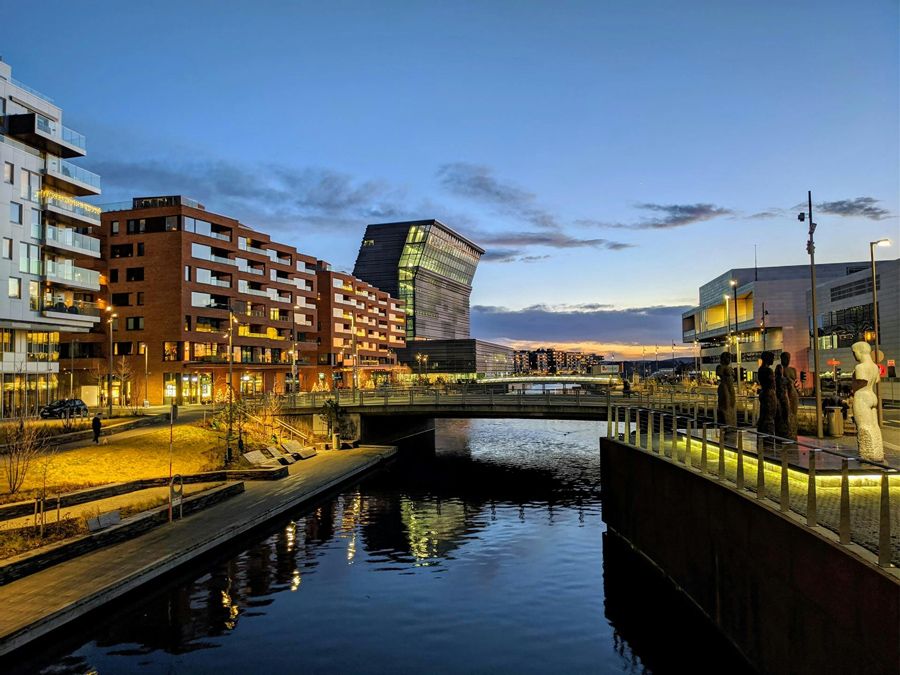
The best way to explore Oslo is by bike. If you feel depleted, head to Mathallen to recharge your batteries and try the local delicacies. There are enough bars, food stores, and street food vendors to satisfy your cravings. For a more rustic setting, visit the Ekeburg Sculpture Park, which houses more than 30 sculptures. Finally, if you're visiting during the summers, take a boat ride to Oslo Fjord and do some island hopping.
 British Airways
Stockholm
If you thought only Italy had cobbled streets, you're going to be pleasantly surprised exploring the beautiful old town area of Gamla Stan. For history buffs, Vasa Museum details the interesting story of the famous sinking of a warship in 1628. And if you’re an ABBA fan, the Swedish band has a museum dedicated to its memorabilia and costumes. You can also take a train ride to Mariefred and visit Gripsholm Castle if you’re interested in sightseeing outside Stockholm.
If you're flying from London to Scandinavia, you can use 9,250 Avios, plus 50p in off-peak Economy. Then, interrail between Oslo, Bergen, and Stockholm before flying back to London using 11,750 Avios, plus 50p in off-peak Economy.
 British Airways
Spain
Spain is a traveller's delight because of its climate and delicious cuisine. It’s also ideal for exploring with an Interrail pass because it connects major cities quite efficiently. This means you can cover a lot of ground without the hassle of driving or flying. Here are our top recommendations:
Barcelona
Barcelona has a generally laid-back vibe, but if you want to truly relax, head on over to Barceloneta Beach and enjoy the sun and the waves. For a more history-filled day, gaze at the stunning buildings by Gaudi and experience the beauty of the Sagrada Familia and Parc Guell. Afterwards, you can fill up delicious food at the La Boqueria market.
The Gothic Quarter is also worth a visit, and you can catch a train to nearby Tarragona and visit the Roman amphitheatre if you're into architecture.
 British Airways
Valencia
Begin your exploration with a stroll through the 9 km-long Jardin del Turia garden. Next, visit the Ciudad de las Artes y Les Sciences for a taste of modern architecture.
Then head to the Valencia Cathedral, but make sure to climb to the top of the 167-foot El Miguelete bell tower if you want a true experience of the place. If all that walking makes you hungry, Valencia's traditional paella containing chicken and rabbit pieces will put the spring back in your step.
British Airways
Madrid
For football fans, there's no better place to start your tour of Madrid than the Santiago Bernabéu, home of the Real Madrid football team. Next, step back in time at the Temple of Debod, the oldest monument in the city, with gateways that date back to 2000 BC.
Art lovers will then want to make their way to the Prado Museum, known for housing some of the best art collections in Europe. As always, finish your day by sampling the various cuisines around Mercado San Miguel. Choose from popular tapas dishes to sushi and ice cream.
British AirwaysBritish Airways Iberia
Seville
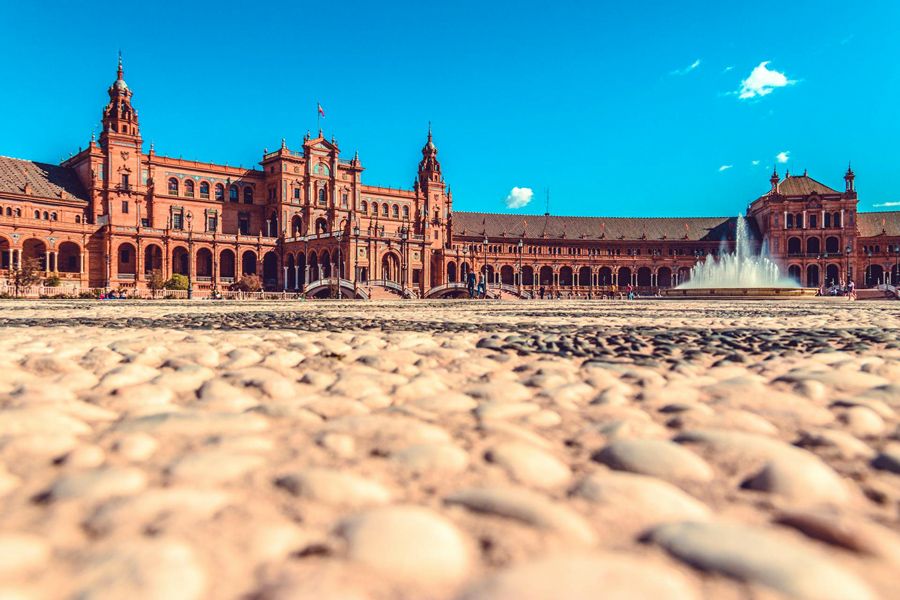
Seville is home to several notable attractions. Visit the Giralda Tower at the Seville Cathedral for the best aerial views of the city. The Alcazar de Sevilla features beautiful artefacts and landscaped gardens. Other historical monuments worth looking at include Plaza de Espana, built in 1928, which features a mixture of Baroque Revival, Renaissance and Moorish architecture. A train ride to Cadiz, one of the oldest cities in Western Europe, is worth your time exploring Roman ruins, trying Andalucian cuisine, and relaxing at Las Caleta Beach.
You can fly out to Barcelona from London with 11,750 Avios, plus 50p in off-peak Economy. Then, interrail between Valencia, Madrid, and Seville before flying back to London using 11,750 Avios, plus 50p in off-peak Economy.
With so many options to choose from, your biggest headache will be which destination to tick off your list first. That’s not a bad problem to have!
British Airways