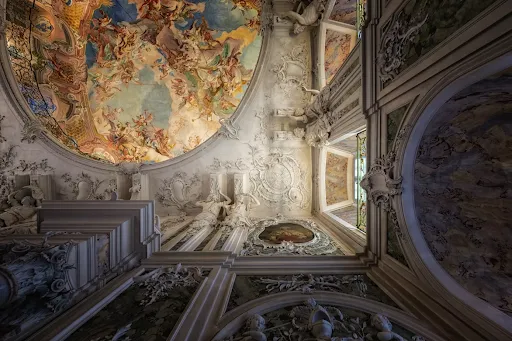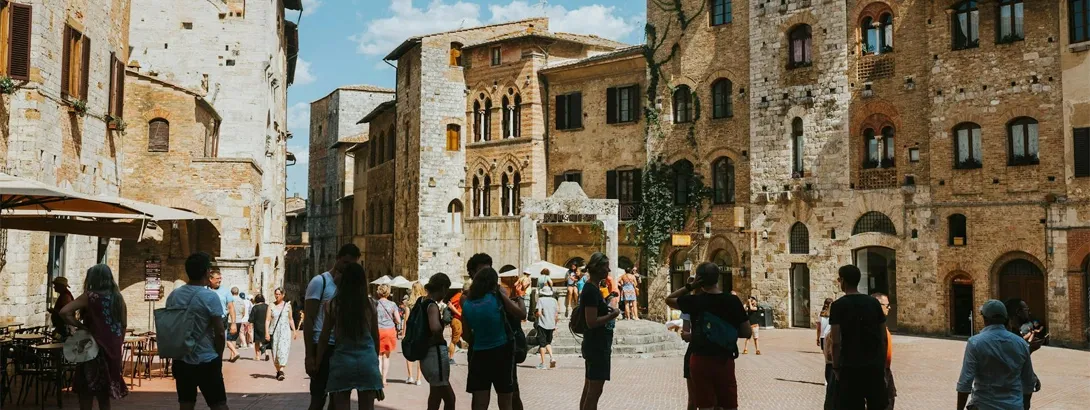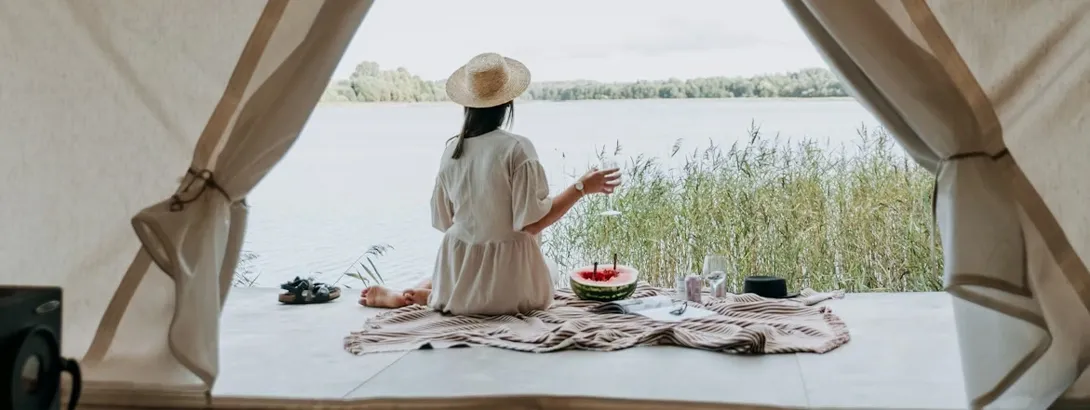
For many travellers, glamping has become the default way to “do nature.” You get the experience you’d expect from a countryside hotel, just spread out under the stars instead of across floors and corridors. Somewhere between “sleeping on a roll mat in the drizzle” and “turning up the underfloor heating in your suite” sits the modern glamping break, with treehouses featuring hot tubs, glamping pods adorned with fairy lights, safari tents equipped with proper duvets, and an emergency bottle of champagne.
In this article, we’ll look at what glamping actually means in 2026, why it’s become one of the most talked-about bucket list ideas in travel, and how to spend Avios points to glamp your way from Kenya to Japan.
What Is Glamping, Really?
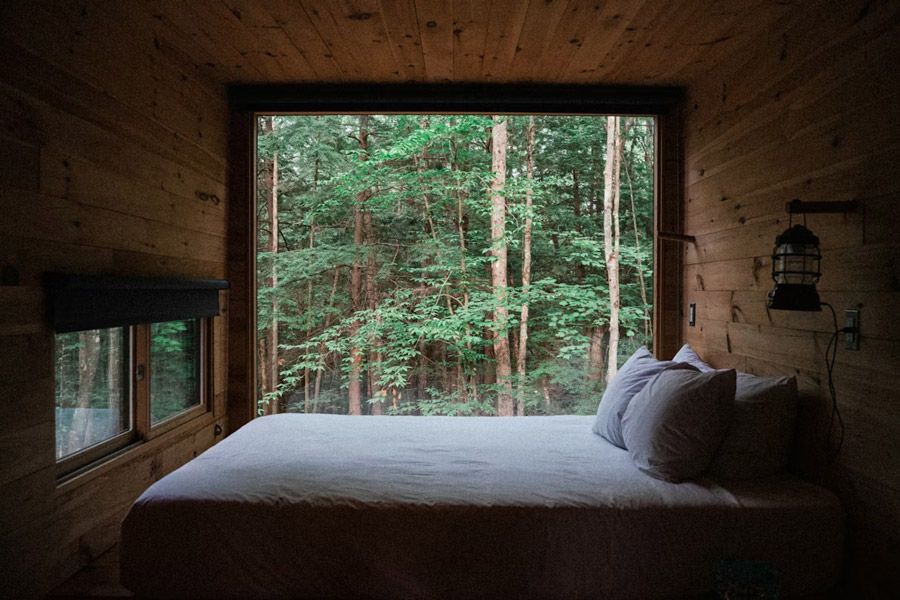
At its heart, glamping is simply camping without the compromise. You still wake up with birdsong in your ears and the smell of fresh air drifting through the door, but everything around you feels decidedly more considered. Instead of wrestling with poles and pegs, you arrive at made-up beds, soft lighting and usually your own bathroom.
What defines glamping is the experience. You still get that feeling of stepping straight into the landscape each morning, but with the comforts of a good hotel built in around you. Real beds replace roll mats. Private bathrooms replace shared blocks. Heating, Wi-Fi, electricity, and even full-service staff are often part of the stay. Many international glamping sites also incorporate local culture through guided nature walks, traditional cooking classes, spa rituals, fine dining, and small-group adventure activities. The result is an outdoor experience that feels natural and immersive.
Why Is Glamping Having a Moment?
The concept of glamping doesn’t seem all that revolutionary if you come to think about it. So, the question then becomes, why now? Why has glamping suddenly taken over the collective consciousness of travellers? The answer goes to the heart of travel in the 21st century. Glamping has gained popularity globally because it combines the romance of being outdoors with the convenience of modern travel. It allows people to explore mountains, deserts, beaches, jungles, and savannas, often in areas where traditional hotels could never be built, without compromising comfort.
It’s also become an appealing choice for travellers who want adventures without roughing it: couples looking for something romantic, families needing space and convenience, retirees wanting soft adventure, and international travellers looking for bucket-list ideas that don’t require specialist gear.
But more than anything, glamping is a truly memorable experience. Here are a few things driving the trend:
- Nature, minus the admin: People want to escape to wild places, but not everyone has the time, gear or inclination to start from scratch with tent pitching, gas stoves and shared showers. With glamping, the hard work is already done; you just arrive, unzip the door and step straight into your weekend.
- Proper comfort in properly remote places: Some of the world’s most spectacular glamping spots are where regular hotels simply can’t go. Glamping allows you access to remote, untouched parts of the world.
- It works for mixed “comfort levels”: Every group has that mix of happy campers and “absolutely not a shared loo” people. Glamping is the peace treaty. Families get space and fresh air, reluctant campers get heating and hot water, and everyone gets a holiday that feels a notch above the usual self-catering cottage.
- Low-stress, high-experience travel: Most glamping stays bundle in the good stuff, including guided hikes, night drives, stargazing, local cuisine, and maybe even a spa treatment or two. It’s a choose-your-own-adventure package, as the stress of spending your time worrying about cooking equipment or sleeping bags is taken off your hands, letting you actually do the things that made this one of your bucket list ideas in the first place.
- A (usually) lighter footprint: Many sites are built with sustainability in mind, featuring solar power, minimal permanent structures, careful water use, and close ties with local communities. You still get the “wow” factor, but in a way that sits a bit more comfortably with eco-conscious travel.
In the sections that follow, we’ll look at four of the best international glamping experiences and how to get there with Avios.
Safari Tents in Kenya
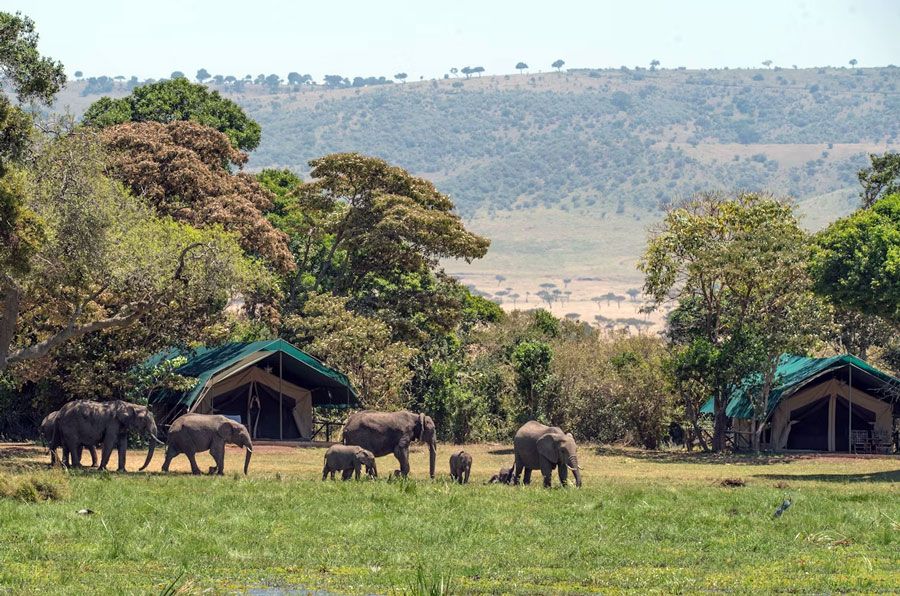
If glamping has a spiritual homeland, it’s Kenya. You’d struggle to find another place on earth that can match the up-close, heart-rattling drama of life on the savannah: lions padding through the golden grass at dawn, elephants materialising out of the morning haze, or the thunder of hooves during the Great Migration. And you get to witness it all from the comfort of a canvas suite that feels more boutique hotel than tent.
Here's why Kenya’s tented camps are some of the best in the world:
- A front-row seat to world-class wildlife: Kenya’s cast of characters is unmatched. This is classic safari country, home to the Big Five, enormous elephant herds in Amboseli, cheetahs sprinting across the Mara plains, and over a thousand species of birds. Many luxury glamping pods sit directly on wildlife corridors, meaning a zebra can graze outside your deck, or a giraffe might wander past your tent as casually as a neighbour popping by.
- The Masai Mara and the Great Migration: Travel between July and October, and you’ll witness one of nature’s most astonishing events: the Great Migration, the annual movement of over a million animals crossing the Mara in search of fresh grazing. Tented camps in private conservancies deliver the best vantage points, accompanied by expert Maasai guides who know every bend of the river and can track wildlife with an ease that borders on instinct. Early-morning drives feel completely unforgettable.
- The romance of a classic safari without roughing it: Forget any ideas of “basic camping.” Kenyan safari tents are beautifully furnished spaces with king-size beds, generous en-suite bathrooms, hot showers, private viewing decks, and fine dining served under star-streaked skies. Some even have personal butlers or plunge pools. It’s the atmosphere of Out of Africa, but where everything actually works.
- Immersive experiences: Nothing compares to falling asleep to the soft whoop of hyenas or the distant rumble of lions, then waking to a dawn chorus so layered it feels orchestrated. Tented camps bring you closer to the landscape in a way that no lodge or hotel can replicate.
- Low-impact travel: Most luxury camps operate with a deep respect for the environment. Solar power, minimal permanent structures, sustainable water systems, and conservation partnerships are standard. Your visit directly supports wildlife protection and local communities.
- World-class guides: The Maasai and Samburu guides grew up in these landscapes and can read tracks, behaviour, and shifting winds with astonishing precision. Their knowledge really transforms the experience.
- Exceptional food and warm hospitality: You can expect multi-course dining, bush breakfasts under acacia trees, sundowners at golden hour, and nights spent around a crackling fire. Kenyan hospitality is famously warm and welcoming.
- Perfect for couples, families, and bucket-list travellers: A Kenyan glamping trip ticks all the right boxes for honeymooners, anniversaries, family adventures, or long-awaited bucket-list trips. It’s the kind of trip people talk about for years afterwards.
- Passenger1
Getting There with Avios
If you’re a member of the British Airways Club, you can find off-peak return Premium Economy reward seats between London and Nairobi for 104,500 Avios plus £400 and Business Class return seats for 198,000 Avios plus £499.

 British Airways
Luxury Eco-domes in Patagonia
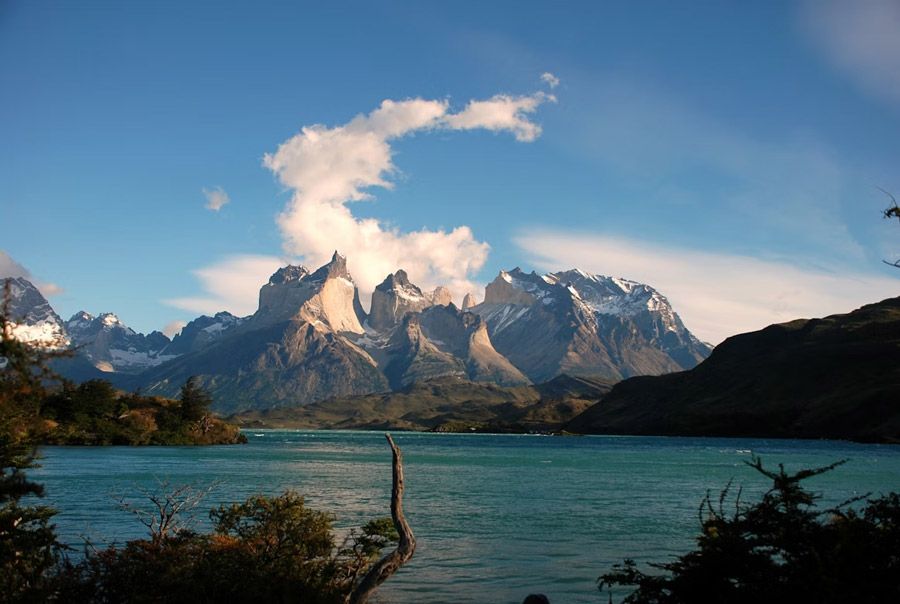
If Kenya is all golden grassland and warm evenings by the fire, Patagonia is the opposite, with big skies, sharp peaks, glacial lakes, and wind that makes you feel you’ve reached the edge of the map. It’s wild, remote and utterly spectacular and luxury eco-domes are the best way to experience it without giving up comfort. Staying in a luxury eco-dome here is like slipping into your own private planet: the wilderness all around you, but with a warm bed, a crackling stove, and a huge window framing the kind of scenery you normally only see on postcards.
Here's why you should give it a go:
- Iconic landscapes: Eco-domes are built directly in the heart of Patagonia’s wildest corners. This means waking up to views of Mount Fitz Roy, catching the first light, the Torres del Paine towers turning soft pink at sunrise, or glaciers glowing blue against untouched forest.
- Unique, cosy, and wonderfully comfortable: These domes redefine what “camping” means. You get big, warm beds piled high with blankets, stylish interiors, proper en-suite bathrooms, and wood-burning stoves that keep the Patagonian winds at bay. Giant picture windows mean you can watch the sunrise without ever leaving the comfort of your duvet. It’s the comfort of a boutique hideaway, wrapped in the textures and sounds of the wilderness.
- World-class hiking and adventure: The beauty of staying in a dome is that Patagonia’s legendary trails start almost at your doorstep. Some camps sit beside the routes to Laguna de los Tres, the W Trek, or the O Circuit. Others come with glacier walks, woodland paths, and wildlife routes with guanacos grazing just beyond the ridge.
- Shared meals by the fire: Meal times in Patagonia feel almost ceremonial. Most eco-dome camps offer full-board, gourmet meals made from locally sourced produce. Evenings often bring everyone together in a central dome with a fireplace, a glass of Chilean wine, and stories from the trail.
- Guided experiences that make adventure stress-free: Patagonia’s terrain can be wild and unpredictable, but staying in an eco-dome means you’re not tackling it alone. Many camps have in-house expert guides for activities such as hiking, kayaking, wildlife watching, and cultural outings.
- Unmatched stargazing: Patagonia’s skies have virtually no light pollution, which means nights unfold into a canopy of stars, galaxies, and meteors. Dome skylights make stargazing effortless.
- Perfect for couples, photographers, and nature lovers: While honeymooners and anniversary celebrants can enjoy an intimate and secluded trip, it’s also atmospheric enough for bucket-list trips and visually spectacular for photographers.
- Adventure without the hardship: Yes, you’re in remote Patagonia, but an eco-dome gives you the thrill without the struggle. It’s a perfect balance of comfort and wilderness, as you don’t have to pitch tents or freeze in the night. There’s a warm, well-designed space waiting for you after each day’s adventures.
 British Airways
Getting There with Avios
If you’re wondering how to spend Avios points to get there, you can fly from London to either Buenos Aires or Santiago, then take a quick domestic flight south into Patagonia’s national parks. Off-peak return Premium Economy reward seats cost 121,000 Avios plus £500, while Business Class returns cost 242,000 Avios plus £670.
Desert Camps in Morocco
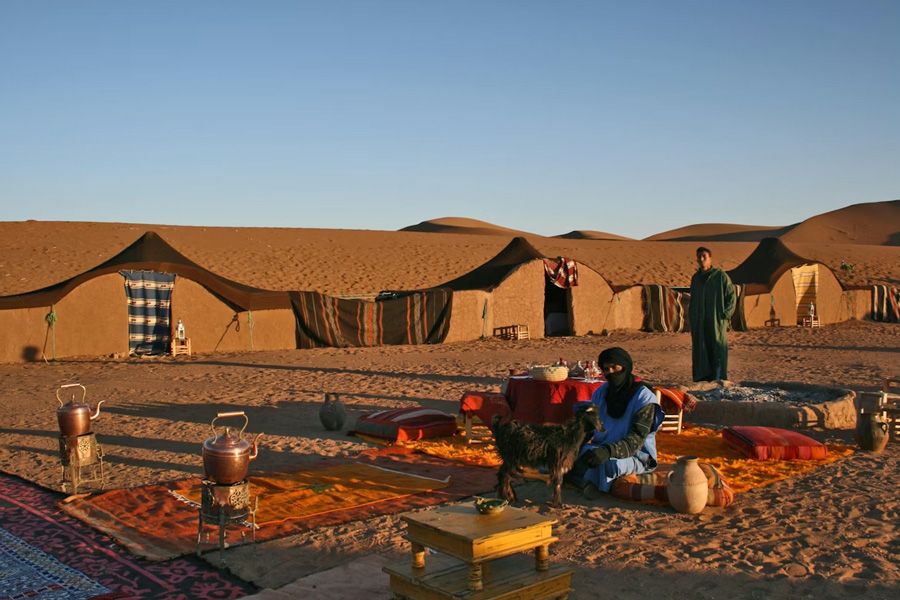
Morocco’s Sahara is a place where travellers come to slow down, unplug, and experience a way of life shaped by wind, sand, and starlight. Morocco’s luxury desert glamping pods give guests the rare chance to experience the Sahara up close, with soft Berber textiles, hot showers, candlelit dinners, and the kind of stillness you simply don’t find anywhere else.
The camps are designed for travellers who want immersion without discomfort. You stay in spacious canvas tents with real beds, warm blankets, Berber carpets underfoot, and private bathrooms with hot showers. Many offer electricity, heating, and beautifully styled communal lounges where mint tea is always on hand. It’s still the Sahara, but with soft linens, candlelit dinners, and the pleasure of coming “home” to a warm tent after a sunset camel ride.
Here's what you can look forward to:
- A night sky you’ll never forget: The Sahara’s stargazing is legendary. With no light pollution for hundreds of miles, the sky feels close enough to touch. You get to see the Milky Way, shooting stars, and constellations, all perfectly visible above the dunes. Some camps build skylights into their tents or set up low cushions outside, so you can stretch out under the night sky and simply watch the desert fall silent.
- Berber culture woven into every moment: Most camps are run by local Amazigh (Berber) hosts, whose warmth and generosity define the experience. Evenings are spent around the fire with drumming, storytelling, and traditional songs. Meals are slow-cooked tagines, charcoal-grilled meats, fresh flatbreads, and sweet mint tea poured high so it froths.
- Adventure, if you want it: You can make the trip as energetic or as restful as you like. Camel treks take you deeper into the dunes, quad bikes let you explore the desert’s open plains, sandboards send you slipping down soft slopes, and guided hikes reveal the smaller details, such as fossils, desert plants, and the traces of nomadic routes.
- Time to disconnect: The Sahara is one of the few places where silence feels expansive rather than empty. There’s no rush, no traffic, no screens. The desert encourages a slower routine: morning tea on the dunes, an hour reading in the shade lounge, a walk at sunset. These moments of stillness become the most valuable part of the trip for many travellers.
 British Airways
Getting There with Avios
A stay in a luxury desert camp is one of the most memorable ways to experience Morocco. And with the British Airways Club, getting there is surprisingly straightforward due to reward flight availability: off-peak return Economy reward seats between London and Morocco start from 30,000 Avios plus £2, while Business Class returns are 53,500 Avios plus £30.
Forest Treehouse Resorts in Japan
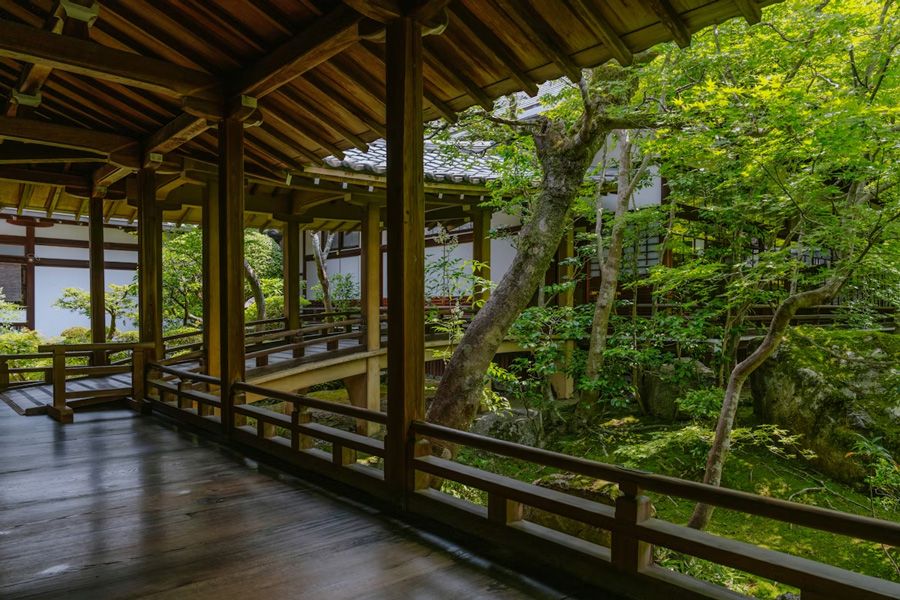
There’s more to the Japanese way of life than wearing kimonos and enjoying sushi. Staying in a forest treehouse in Japan is a great place to start. It’s a chance to experience nature the way the Japanese have for centuries. Instead of a traditional hotel, you sleep several metres above the forest floor, surrounded by towering trees, morning birdsong, and the soft rustle of river breezes through the leaves.
Here's what you can expect from the experience:
- Wake up high in the treetops: Many of Japan’s treehouse resorts sit deep in protected forests, mountain valleys, or along clear rivers where the air is crisp and the only sounds are wind and water. It’s the ideal escape if you’ve come to Japan to disconnect from fast city life and reconnect with nature.
- A unique and comfortably familiar stay: Imagine bragging to your friends that you actually got to sleep in a treehouse. Most modern treehouse resorts come with hot showers, proper beds, heating, kitchens or tea stations, and even tatami-style rooms. Large windows blur the line between indoors and outdoors, making you feel like you’re floating among the branches.
- A base for outdoor adventure: These hideaways place you right on the doorstep of some of Japan’s most beautiful landscapes. Days can be spent hiking through cedar forests, trying forest-bathing (shinrin-yoku), cycling between tiny mountain villages, or exploring river trails and waterfalls. Each season brings its own reward: cherry blossoms in spring, deep green summers, fiery autumn foliage, and snow-dusted forests in winter.
- Time slow down, breathe, and restore: The forest is naturally grounding, and many resorts expand on that feeling with yoga decks, meditation spaces, and access to nearby onsen (hot springs). A morning soak followed by tea on your treetop balcony is as close to pure relaxation as travel gets.
- Cultural immersion: Many treehouse resorts draw inspiration from Japanese design traditions, including sliding shoji screens, tatami mats, wooden soaking tubs, minimalist décor, and craftsmanship that celebrates local materials. You’ll often find yourself close to mountain shrines, tiny forest villages, or riverside temples.
 British Airways
Getting There with Avios
As for reward flight availability, you can travel to Tokyo from London on an off-peak return Premium Economy reward seat for 110,000 Avios plus £450, while Business Class returns cost 220,000 Avios plus £599.