Long after the tan lines wear off and the newly developed calf muscles earned from endless hours of wandering begin to disappear behind a desk-based routine, there’s one thing that still has the power to transport you back in an instant: your photos.
Pictures are the closest thing we have to a time machine. They reconnect us with some of the best moments in our lives and remind us that there’s a great deal of the world still out there waiting. Every trip you ever take will only stay as vivid as the pictures you bring back. Once the luggage is back in the attic and the out-of-office is switched off, it’s the photographs that keep a place alive in your mind.
Which is why, if you love travel, chances are you love photography too. The only difference is whether you do it casually or seriously. The phone in your pocket has seen to that. Travelling for photography is no longer the preserve of professionals with pelican cases full of equipment. It’s simply what a lot of people do now, and how many of us experience the world.
The question, then, is where should you go? The best use of Avios is getting you to the destinations that make you reach for your camera again and again. In this article, we’ve outlined five destinations that consistently deliver for photographers at every level, from someone who’s just graduated beyond smartphone snapshots to the working professional who shoots for a living, along with the best value flights with Avios.
What Makes a Great Photography Holiday?
The best photography holidays share a few things: visual variety that rewards multiple shooting styles in a single trip, light conditions that can’t be replicated at home, and a density of subjects, such as landscapes, people, architecture, and wildlife, that makes every hour of the day a potential session.
Many photographers also describe these trips as meditative. There’s something about moving through an unfamiliar place with a camera that forces you to slow down and look properly. The frame imposes intention. You stop walking past things and start asking what makes them worth stopping for. If you’ve never done a photography-focused trip, that shift in attention alone is worth the flight.
The destinations below all do exactly that. The Avios costs below are for off-peak return reward seats from London on British Airways, unless otherwise specified.
Iceland
Best for: Landscape, drone, astrophotography, and moody long-exposure imagery.
If restraint was part of Iceland’s design brief, it was quickly ignored. Waterfalls, glaciers, volcanoes, black-sand beaches, the northern lights, and the midnight sun are all jam-packed into a landmass smaller than many US states. The variety is extraordinary.
Iceland’s ever-changing weather and stark contrasts between volcanic terrain and icy fields produce lighting conditions almost impossible to replicate elsewhere, especially during the golden hour, which in summer can last for hours.
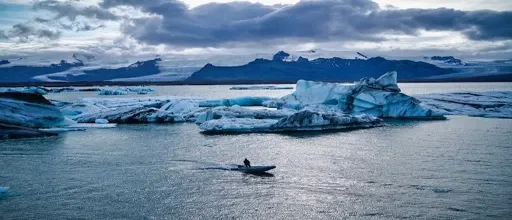
The country’s relative lack of crowds at many locations is another underrated advantage. Arriving at Jökulsárlón glacier lagoon before the tour buses pull in, or finding Reynisfjara black beach almost to yourself, is a very different experience from queuing for tripod space.
That said, getting to many of the best spots requires either a hire car and a willingness to navigate Route 1 or a guide who already knows the light. Iceland is not a place to rush.
What to shoot:
- Jökulsárlón glacier lagoon: one of Iceland’s most photographed spots, where icebergs drift in near-mirror-still water before floating out to Diamond Beach.
- Vestrahorn mountain: a dramatic backdrop that draws landscape photographers for its reflections in the tidal lagoon below.
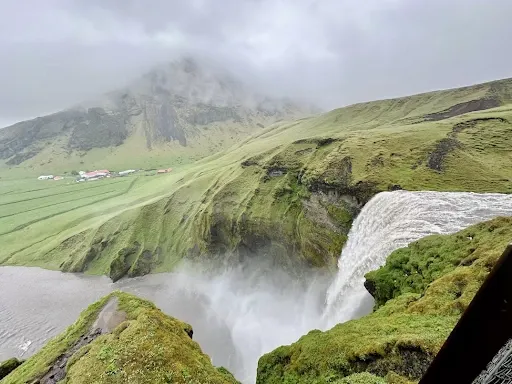
- Skógafoss and Seljalandsfoss waterfalls: both on the south coast and very different in character. You can even walk behind the curtain of water at Seljalandsfoss for a unique angle.
- Reynisfjara black beach: the basalt columns and sea stacks here photograph well in almost any light, but especially in overcast conditions that flatten the sky and saturate the black sand.
- The northern lights (October to March): conditions-dependent, obviously, but when the sky cooperates, this is astrophotography at its most spectacular.
Tips for getting the best photos:
- Pack for all seasons: Iceland’s weather can change several times in a day, so waterproof clothing and protection for your camera are essential.
- Chase the light: Summer brings long golden hours and almost endless daylight, while winter comes with dramatic low-angle light and the chance to photograph the Northern Lights.
- Bring a tripod: It’s invaluable for waterfalls, coastal scenes, low-light photography, and aurora shots.
- Allow extra time: Road closures, weather, and sudden photo opportunities can all slow your plans.
- Respect nature: Stay on marked paths and avoid fragile moss-covered areas, which can take decades to recover from damage.
An off-peak Economy return from London to Reykjavik costs 30,000 Avios plus £2 per person.
Japan
Best for: Street, travel, architecture, portrait, and documentary photography
Japan is a bit of a problem for photographers. Every time you put your camera away, something else worth shooting appears. The Land of the Rising Sun seems determined to test the limits of both your memory card and your self-control.
Most destinations have the best time to visit. Japan has four. Spring arrives with cherry blossom season, when parks, temple grounds, and riverbanks turn pink for a brief two-week spectacle that produces some of the most photographed scenes in the world, from Kyoto’s Philosopher’s Path to the grounds of Hirosaki Castle in the north.
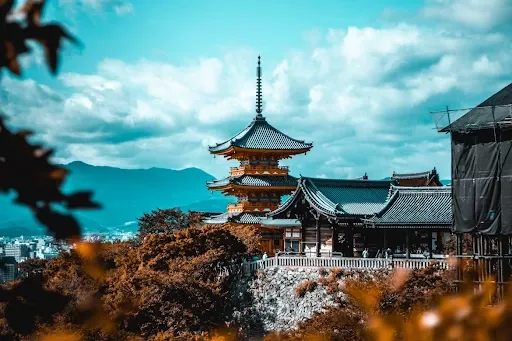
Autumn turns the country’s maple trees into burning shades of red and gold. Summer means festivals, fireworks, and humid city nights, and winter brings snow to the mountain towns and a stillness to the temples that no other season can replicate.
The contrast between old and new is the other major draw. A single day in Tokyo can take you from the neon-lit chaos of Shinjuku at midnight to the quiet of Senso-ji temple at dawn. Don’t worry about having to choose between the ancient and the hyper-modern; the country layers them on top of each other, and the best street and documentary photography here comes from learning how to hold that tension in a single frame.
What to shoot:
- Kyoto’s temples and narrow streets: Fushimi Inari’s thousands of torii gates at first light, before the crowds arrive, is one of the most extraordinary compositions available to any travel photographer.
Tokyo night photography: Shibuya Crossing, the neon canyons of Shinjuku, and the waterfront views from Odaiba provide no shortage of opportunities for night photography.
- Mount Fuji compositions: the Chureito Pagoda framing Fuji above the city on a clear spring morning is one of Japan’s most iconic photography locations, and it earns that reputation.
- Cherry blossom and autumn colours: plan your trip around these seasons if either is on your list. The timing varies by year and region, so it’s worth monitoring forecasts in advance.
Tips for getting the best photos:
- Get up early. The difference between 6 a.m. and 9 a.m. is often several hundred people.
- Think beyond Sakura: Everyone photographs the cherry blossoms, but some of Japan's most memorable images come in autumn, when the crowds thin and the maples turn entire hillsides red.
- Stay out late: If you're in Tokyo and back in your hotel by 9 p.m., you're missing half the show. The city often looks better under neon than it does in daylight.
- Leave room for serendipity: The best photograph of your trip probably won't be on your itinerary.
- Shoot the journey: The walk to the landmark is often more interesting than the landmark itself.
- Welcome the rain: Reflections and umbrellas can improve almost any street scene.
An off-peak Premium Economy return from London to Tokyo costs 110,000 Avios plus £450 per person, or 220,000 Avios plus £599 in Business Class. If you’re booking Business Class, it’s worth using the Club Suite Filter on Reward Flight Finder to identify flights with the BA Club Suite seats.
Argentina
Best for: Landscape, adventure, street, documentary, travel, and wildlife photography.
Argentina is a dangerous country for photographers because it ruins your sense of perspective. The country is absurdly large and unreasonably photogenic. There's a reason so many landscape photographers make the pilgrimage south to Mount Fitz Roy and never stop talking about it afterwards.
But the mistake is thinking Argentina is only about mountains. Buenos Aires might be the best argument in South America for carrying a camera everywhere. The city also rewards nosiness. A tango dancer practising in a square, a waiter polishing glasses in a century-old café, a couple arguing beneath a crumbling balcony; the photographs are often found between the landmarks rather than at them.
What to shoot:
Patagonia: Fitz Roy and the peaks around El Chaltén are arguably Argentina’s biggest draw for landscape photographers. Conditions change by the hour, with shifting clouds and bursts of sunlight transforming the scene. Add glaciers, wide-open plains, and some of the biggest skies in South America, and there’s no shortage of subjects to point a camera at.
- Buenos Aires: One of the great cities for street and documentary photography. The European-style architecture of San Telmo, the murals and tango culture of La Boca, and the atmospheric old cafes that dot the centre all photograph beautifully.
- Iguazú Falls: the scale here is hard to comprehend until you’re standing on the walkways above the Devil’s Throat. Long exposures, rainforest scenes, and wildlife (including toucans, coatis, and butterflies in their thousands) make this a rich multi-day shooting location.
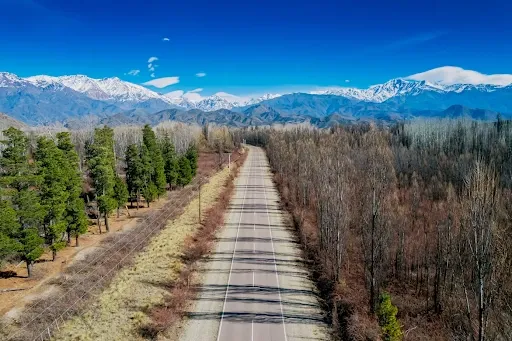
- Mendoza and the Andes: vineyards framed by snow-capped mountains create beautiful travel and landscape photography, especially during golden hour when the light turns the Andes pink.
- Salta and northwest Argentina: red-rock landscapes, desert roads, and mountain villages with enormous skies and textures that feel unlike anywhere else in the country.
Tips for getting the best photos:
- Pack a telephoto lens: Patagonia's peaks often look closer than they are. A longer lens helps compress the landscape and isolate details in the mountains.
- Build flex days into the itinerary: Cloud cover can hide Fitz Roy for days. The best landscape photographers give themselves time to wait.
- Shoot Iguazú early: Arrive when the gates open. You'll get softer light, fewer people, and a better chance of photographing wildlife.
- Use people for scale: Argentina's landscapes are enormous. Including a hiker, horse, or building helps convey their size.
- Stay out at blue hour: Buenos Aires often looks its best just after sunset, when the city lights come on, but the sky still holds colour.
- Watch the weather forecast closely: Storm clouds over Patagonia can create far more dramatic images than clear skies.
- Don't just shoot wide: Most visitors photograph Patagonia with wide-angle lenses. Some of the strongest images come from zooming in on glaciers, peaks, and changing light.
Off-peak reward seats from London to Buenos Aires start at 121,000 Avios plus £500 per person in Premium Economy. Business Class comes in at 242,000 Avios plus £599. As with Japan, use the Club Suite Filter on Reward Flight Finder to find the BA Club Suite seats.
India
Best for: Street, portrait, documentary, cultural, architecture, and wildlife photography.
People from the West have travelled to India from time immemorial, associating the visually stunning and culturally rich country with wisdom and the exotic ingredients of mysticism. Over the years, that claim has only been repeatedly strengthened by photographers across every discipline.
The density of colour, people, architecture, light, and story-making opportunity is unlike anywhere else. Every street, market, temple, and train journey can feel like a photographic opportunity. And not in the Instagram caption sense, but in the genuine sense that it’s almost impossible to walk 100 metres in a busy Indian city without seeing something worth stopping for.
What to shoot:
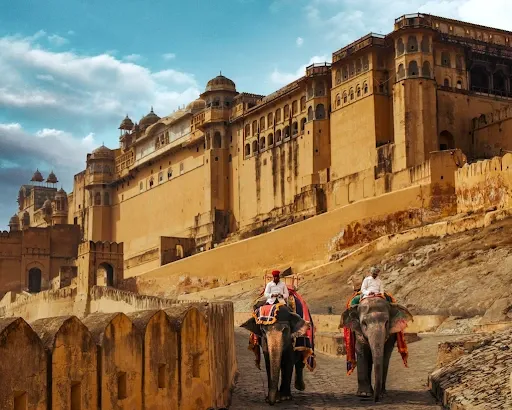
- Rajasthan (Jaipur, Jodhpur, Udaipur): a paradise for colour and architecture photography. Painted doorways, grand palaces, bustling bazaars, and colourful textiles give both wide-angle landscape photographers and portrait shooters endless material.
- Varanasi: one of the most atmospheric photography destinations in the world. Sunrise on the Ganges, rituals at the ghats, and deeply human moments make this essential territory for documentary and portrait photography. It’s not an easy place to shoot, but the images are unforgettable.
- The Taj Mahal: Automatic bucket list entry for every couple that aspires to emulate the love which led to the construction of this architectural wonder. Arrive at sunrise, when the crowds are thinner, and the light is softer, and the building is extraordinary.
- Ladakh and the Himalayas: a completely different visual register to the rest of India: dramatic mountain landscapes, remote monasteries, and vast open roads that photograph like another country entirely.
- Kerala: Known as ‘God’s own country,’ Kerala is famous for backwaters, tea plantations, and tropical light. Slower-paced travel photography at its best.
- National parks (Ranthambore, Bandhavgarh): From the tales of Jim Corbett to Kenneth Anderson’s clashes with maneaters, India is famous for its tigers, and the country is still one of the best places in the world to photograph wild tigers. Few wildlife photography experiences come close.
Tips for getting the best photos:
- Pick a region: India is too large and varied to photograph properly in a single trip. Focus on region rather than trying to do everything.
- Shoot early and late: The midday sun can be harsh. The best light often arrives just after sunrise and before sunset.
- Bring a fast lens: India's markets, temples, and streets are full of low-light opportunities where flash will only get in the way.
- Ask before photographing people: Most people are happy to be photographed if approached respectfully. A smile and a gesture go a long way.
- Look beyond the monuments: The Taj Mahal is magnificent, but some of India's strongest images come from everyday life unfolding around you.
- Be patient in busy scenes: India's streets can feel chaotic at first. Stay put for a few minutes, and the right composition often comes to you.
- Embrace the weather: Monsoon clouds, morning mist, and dust-filled sunsets often produce more interesting photographs than clear blue skies.
- Put the camera down occasionally: India can overwhelm the senses. Sometimes the best way to find your next photograph is to stop looking for one.
BA flies from London to a wide range of Indian cities, including Bengaluru, Chennai, Hyderabad, Mumbai, and New Delhi. An off-peak Premium Economy return costs 104,500 Avios plus £400 per person, and Business Class costs 198,000 Avios plus £499. Don’t forget to check flights with our Club Suite filter.
Kenya
Best for: Wildlife, documentary, landscape, portrait, and travel photography.
How can one talk about tigers and not mention lions, the other big cats that have fascinated hunters, photographers and people from all walks of life? For many photographers, Kenya is the answer to a question they’ve been sitting with for years: what does it feel like to photograph wildlife in its natural environment, in the kind of light you’ve seen in the magazines but never quite believed? The answer, it turns out, is something that stays with you.
Kenya is one of the world’s great photography destinations for a simple reason: it combines iconic wildlife with extraordinary landscapes and authentic cultural experiences in a way few places can match. The photography opportunities here go well beyond the classic safari. The best places to photograph in Kenya stretch from the Maasai Mara’s endless plains to the rugged terrain of Samburu in the north.
What to shoot:
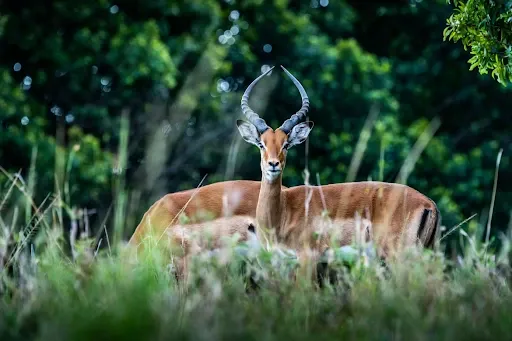
- Maasai Mara National Reserve: Kenya’s greatest photography draw, and for good reason. Lions, cheetahs, elephants and the Great Migration all pass through here. The light in the Mara, early morning and late afternoon, is among the finest for wildlife photography on Earth. This is among the best places to photograph in Kenya and in the world.
- Amboseli National Park: huge elephant herds against the backdrop of Mount Kilimanjaro on a clear day. This is one of the most photogenic safari compositions available anywhere on the continent.
- Nairobi: consistently underrated for documentary and travel photography. Markets, contemporary African culture, and the unique contrast of wildlife (including giraffes at the Giraffe Centre) near a major city.
- Lake Nakuru National Park: excellent for bird photography, rhinos, and dramatic lakeside scenery.
- Northern Kenya and Samburu: more remote, rugged landscapes with unique wildlife species not found in the south, and a fraction of the visitor numbers.
- The Kenyan coast (Diani, Lamu): white beaches, Swahili architecture, and colourful fishing culture that makes for beautiful travel and documentary photography in a completely different register to the safari experience.
Tips for getting the best photos:
- Bring more reach than you think: Wildlife always looks closer through binoculars than it does through a camera. A telephoto lens is worth its weight in gold.
- Don't ignore the landscape: Many visitors focus entirely on animals, but Kenya's skies, acacia trees, and open plains often make the photograph.
- Shoot early and late: Wildlife is most active around sunrise and sunset, and the light is far kinder than it is at midday.
- Keep your shutter speed high: Animals rarely pose for long. A fast shutter speed is the difference between a keeper and a missed opportunity.
- Get down to eye level: Whenever possible, photographs become more powerful when you're shooting at the animal's height rather than looking down on it.
- Pack spare batteries: Safari days are long, and charging opportunities can be limited.
- Look for behaviour, not just animals: A lion is interesting. A lion interacting with its cubs is a photograph.
You can reach Nairobi on an off-peak Premium Economy return for 104,500 Avios plus £400 per person, or 198,000 Avios plus £499 in Business Class. Check the Club Suite Filter on Reward Flight Finder to make sure you’re on one of BA’s newest aircraft for the near-nine-hour flight.