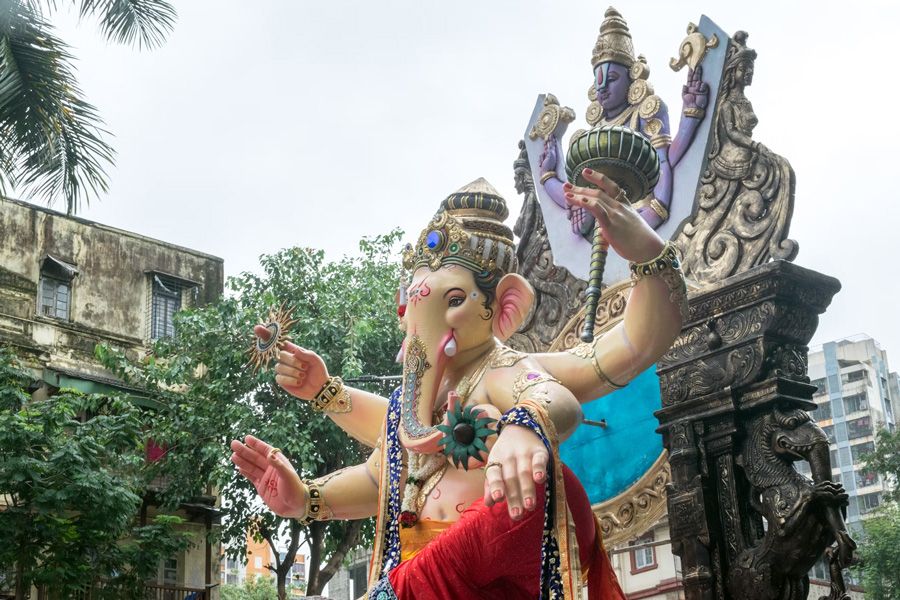
India is a place that sticks in your memory long after you've gone home. From Marco Polo and Steve Jobs to Elizabeth Gilbert, the writer of Eat, Pray, Love, people continue to find inspiration and joy there. For many, India feels too magical to leave behind, and those who do leave often dream of returning.
So, why do so many people love travelling there, which cities are irresistible to travellers, and how can you get the best value for your London to India flights? Let's see.
Bengaluru
Bengaluru (formerly Bangalore) is one of India's most technologically advanced cities. It’s known for being modern and easygoing, with year-round pleasant weather, a great metro system, and lots of places to eat, drink, and shop. While it might not have big-ticket tourist spots, Bengaluru has beautiful parks and some eye-catching old Victorian buildings. Here are some must-visit spots in the city:
- Cubbon Park: Right in the middle of the business district, this huge 120-hectare park is a favourite spot for locals to relax and escape the busy city life. While vehicles are allowed on weekdays, Sundays are traffic-free, when it transforms into a space for concerts, yoga sessions, and even a small farmer's market. The park also has the impressive Gothic-style State Central Library.
- Vidhana Soudha and Attara Kacheri: These are two architectural masterpieces near Cubbon Park. Built in 1954, the Vidhana Soudha is a grand example of neo-Dravidian architecture. Right across from it is the neoclassical Attara Kacheri, built in 1864, which now serves as the High Court. While these buildings aren't open to the public, they're stunning to view from the outside.
- National Gallery of Modern Art: Set in a century-old mansion, this museum displays an excellent mix of historical and contemporary Indian art. The old wing features pre-independence artists like Raja Ravi Varma, while the new wing displays modern works. We suggest taking one of their guided tours to get to know the place and the art better.
- Krishnarajendra Market: Head to this cute little market to get a real taste of urban India. It's surrounded by streets packed with stalls selling everything from spices and dyes to copperware. The flower market at the centre is especially colourful and lively.
- Opera House: Recently renovated with help from Samsung, the old British-era Opera House is now a high-tech showcase with virtual reality setups and the latest tech gadgets. The building is beautifully restored; you can even watch a movie in the home theatre zone.
- HAL Aerospace Museum: Just past the old airport, this museum is great for aeroplane enthusiasts. It displays aircraft such as the MIG-21 and homegrown models and even offers flight simulators where you can try out mock dogfights.
- Lalbagh Botanical Gardens: Dating back to 1760, these sprawling gardens are filled with ancient trees and diverse plant species. Check out the bonsai collection and the Japanese gardens. Early mornings are magical here, especially with the birds singing.
London to Bengaluru off-peak Premium Economy return BA reward seats cost 95,000 Avios plus £355, while you can get Business Class seats for 180,000 Avios plus £475.
Chennai

Formerly known as Madras, Chennai is a busy metropolis packed full of Tamil Nadu's culture, art, and religious traditions. Here's a rundown of some cool spots you should check out:
- Government Museum: Located opposite the stunning British-built Pantheon Complex, this is Chennai's top museum. Don't miss the Bronze Gallery in Building 3, which showcases an amazing collection of bronzes from the 7th-century Pallava era to modern times.
- San Thome Cathedral: This grand cathedral by the beach has a history that goes back to 1523, when the Portuguese first built it. The British later rebuilt it in 1896 in a neo-Gothic style. The cathedral is famous for being the final resting place of St. Thomas the Apostle, who is said to have brought Christianity to India.
- Kapaleeshwarar Temple: Located in Mylapore, one of Chennai's oldest areas, this temple is dedicated to Lord Shiva. It's a must-visit for its beautiful structures and the fascinating story of Shiva turning his wife, Parvati, into a peacock.
- Theosophical Society Gardens: This lush green space between the Adyar River and the coast provides a quiet escape from the city's hustle. It's home to diverse religious shrines and an enormous variety of plants, including a centuries-old banyan tree.
- St. Andrew's Church: Built-in 1821, this neoclassical church is inspired by London's St Martin-in-the-Fields. It features a grand entrance and a unique interior with an oval colonnade under a domed ceiling supported by elegant Corinthian columns.
London to Chennai off-peak Premium Economy return reward seats cost 95,000 BA Avios plus £355. Business Class seats can be obtained for 180,000 Avios plus £475.
Delhi
Forget what you've heard about Delhi being just a stopover city; it’s packed with interesting things to see and do. Here's a rundown of some must-visit spots:
- Humayun's Tomb: This stunning tomb of Mughal emperor Humayun looks like it's floating above its gardens and is said to have inspired the Taj Mahal. It's a perfect blend of Persian and Mughal architecture.
- Qutb Minar: This 73-meter-tall tower is part of a complex full of fascinating ruins and intricate Islamic calligraphy. If you love music and dance, visit during the Qutab Festival, held here every November/December.
- Lodi Gardens: A serene spot with ancient tombs and plenty of green space. It's perfect for a lazy afternoon away from the city noise.
- Bahá'í Lotus Temple: Known for its lotus-shaped architecture, this temple is a peaceful place for reflection.
- Nizam-ud-din Dargah: This is the marble shrine of a revered Sufi saint tucked away inside a busy bazaar. You might catch some soulful Sufi music here on certain evenings.
- Tughlaqabad Fort: A massive, half-overgrown fort where you can explore ancient storehouses and enjoy spectacular views. We recommend visiting with a group since it's a bit off the beaten path.
- Mehrauli Archaeological Park: This forest area is dotted with over 440 historical monuments, which you can explore at leisure.
- Akshardham Temple: An incredible temple carved from pale red sandstone featuring thousands of deities. Don't miss the boat ride that takes you through 10,000 years of Indian history.
New Delhi off-peak Premium Economy return BA reward seats cost 95,000 Avios plus £355, while Business Class seats will set you back 180,000 Avios plus £475.
Hyderabad

Hyderabad is full of historical sites that reflect its royal history. Here's a quick guide to some of the city's must-see landmarks:
- Charminar: This iconic monument with four towers is located right in the middle of Hyderabad's busiest market area. Built in 1591, Charminar was meant to celebrate the city's founding and the end of a major water shortage. You can climb up to the first floor to get a great view of the bazaar around it, but the top floors and the mosque inside are off-limits. The whole structure lights up every evening from 7:00 to 9:00 p.m., making it a spectacular sight despite the traffic.
- Golconda Fort: Just a bit outside the main city, Golconda Fort is a massive old structure on a hill with incredible views of the surroundings. Its history goes back at least 800 years when it was a major spot for diamond trading. The fort is known for its smart design, such as the spiked gates to stop war elephants, and its acoustic system, which allows the smallest sound at the gate to be heard across the fort. If you visit, consider grabbing a guide or a guidebook to learn all about its fascinating features as you explore.
- Qutb Shahi Tombs: Close to Golconda Fort, you'll find domed tombs set in a beautifully landscaped park. This is where most of the rulers from the Qutb Shahi dynasty are buried, including the founder of Hyderabad. The tombs are impressive, with intricate designs and peaceful surroundings. The site is being fixed and might even become a World Heritage Site soon. It's just a short ride from Golconda Fort, so you can easily visit both in one go.
You can get London to Hyderabad off-peak Premium Economy return Avios reward flights from 95,000 BA Avios plus £355. Business Class return seats cost 180,000 Avios plus £475.
Mumbai
Formerly known as Bombay, Mumbai is home to the world's biggest movie industry. As India's financial and entertainment capital, it’s full of must-see attractions:
- Elephanta Island: Just off the coast, this island is home to ancient rock-cut cave temples dating back to the 5th and 6th centuries. A boat ride to the island leads you to some of India's most impressive temple carvings dedicated to the god Shiva.
- Chhatrapati Shivaji Terminus (CST): Originally known as Victoria Terminus (VT), this train station is a marvel of Gothic architecture mixed with Indian design elements. Completed in 1887, the station is an ornate blend of Victorian, Hindu, and Islamic styles, making it a hub of constant activity.
- Dhobi Ghat: Witness the world's largest open-air laundry, where thousands of clothes are washed daily in plain view.
- Taj Mahal Palace Hotel: Standing opposite the Gateway of India, this luxurious hotel combines Islamic and Renaissance architecture. Built in 1903, it was the first hotel in India to employ women and have electricity. The hotel's historical significance extends to its role in India's independence movement and its resilience, as it was restored after the 2008 terrorist attacks.
- Bandra West: This trendy neighbourhood is known for its upscale restaurants and hotels, including the popular Taj Lands End. Bandra is a great place to experience Mumbai's contemporary lifestyle and dining scene.
- Dr Bhau Daji Lad Mumbai City Museum: Housed in a stunning building blending Islamic, Hindu, and British architectural styles, this museum showcases various exhibits from India's history, including sculptures, miniatures, and ancient artefacts.
You can get London to Mumbai off-peak Premium Economy return Avios reward flights from 95,000 BA Avios plus £355. Business Class return seats cost 180,000 Avios plus £475.
What’s the Best Time to Visit India?

There’s no correct answer to the best time to visit India. It depends on your preferences and the areas you want to see. To make your trip as smooth as possible, here’s everything you need to know before visiting India so you’re well-prepared and can avoid potential hassles:
Weather:
The weather depends on which part of India you're planning to visit since the country is massive and the climate varies significantly. In northern India, the weather follows distinct seasons similar to Europe and the U.S. October is particularly nice, with temperatures between 23°C and 29°C and a cool fall breeze. November cools down slightly to between 21°C and 26°C. By December, you might even need a light jacket. February and March mark the beginning of spring with blooming flowers.
The southern part of India has a tropical climate, with places like Chennai, Goa, and Bangalore. This region stays humid and doesn't see much temperature change throughout the year.
For those looking to save money, mid-April to mid-September marks the monsoon season, when temperatures can hit nearly 43°C. While you’re more likely to find travel deals during this time due to fewer tourists and lower prices, the intense heat and heavy rain might make it less appealing.
Visit Tourist Sites Early
Visiting India means dealing with crowds pretty much all the time, thanks to its huge population and nearly 20 million tourists each year. However, there are certain times when places are less packed. For example, if you want to see famous sites like the Taj Mahal without the crowds, try going early in the morning. Getting there by around 5:30 a.m. can mean fewer crowds and better chances of getting those iconic photos.
Keep Yourself Protected from Diseases
You don't usually need special vaccinations before arriving in India, except for a yellow fever vaccine if you're coming from a place where yellow fever is common. However, it's smart to talk to a doctor or a health expert about eight weeks before your trip to ensure you're up to date with your vaccinations. Doctors sometimes suggest that travellers get shots for diphtheria, tetanus, hepatitis A and B, polio, and typhoid. You should have had your standard childhood shots for measles, mumps, rubella, and chickenpox.
If you're planning a longer stay, you could consider getting vaccinated against Japanese B encephalitis, meningitis, and rabies. Animals like monkeys, dogs, and cats can carry rabies, which can be deadly if not treated.
It's also wise to be cautious about malaria, especially if you're going to places in India with a higher risk, such as the northeastern regions, eastern areas, or Mangalore. Chat with your healthcare provider about possibly taking malaria prevention pills.
Remember to protect yourself from mosquito bites, which can help you avoid dengue fever, a nasty virus spread by mosquitoes. Use a mosquito net when you sleep, wear long sleeves and pants in light colours, and apply a mosquito repellent containing DEET. You can also use a plug-in device to keep mosquitoes away.
Get Insured
No matter how careful you are, things can go south, so make sure you get travel insurance before going to India. The public hospitals there might not have everything you need, and the private hospitals usually ask for payment before they treat you. Ensure your insurance covers emergency rescue and any adventurous activities you might try, like zip-lining or rock climbing.
If something goes wrong and you become a victim of crime, immediately go to the nearest police station or call 100 or 112, the emergency numbers in India. You'll need to ask the police to write up a report, called an "FIR" (First Information Report), so you can claim any losses on your travel insurance.
Plan Ahead to Avoid Complications
Nobody likes being completely cut off from friends and family when travelling to a new country. If you're planning a trip to India, having a local SIM card can make many things easier, like booking trains or ordering food online. To do this, bring an unlocked phone from home or buy one when you get there. Once you arrive, you can get a local pay-as-you-go SIM at any phone shop. Remember to bring passport photos and photocopies of your passport ID pages to sign up for the SIM card.
India can get really crowded from November to February because of the cooler weather, so try to book your stay in advance. You can reserve rooms directly with hotels or use websites like Agoda and MakeMyTrip to find good deals. The same goes for train tickets, especially on popular routes. It's easier to book these online through sites like IRCTC, 12Go, or Cleartrip before you go.
Remember that India follows the standard Gregorian calendar for official holiday dates. However, religious festivals are based on the lunar calendar, so their dates change every year. Make sure to check the dates for any festivals during your visit. The Indian government has a handy online list of public holidays that can help you plan your trip.
Be Mindful of Local Customs
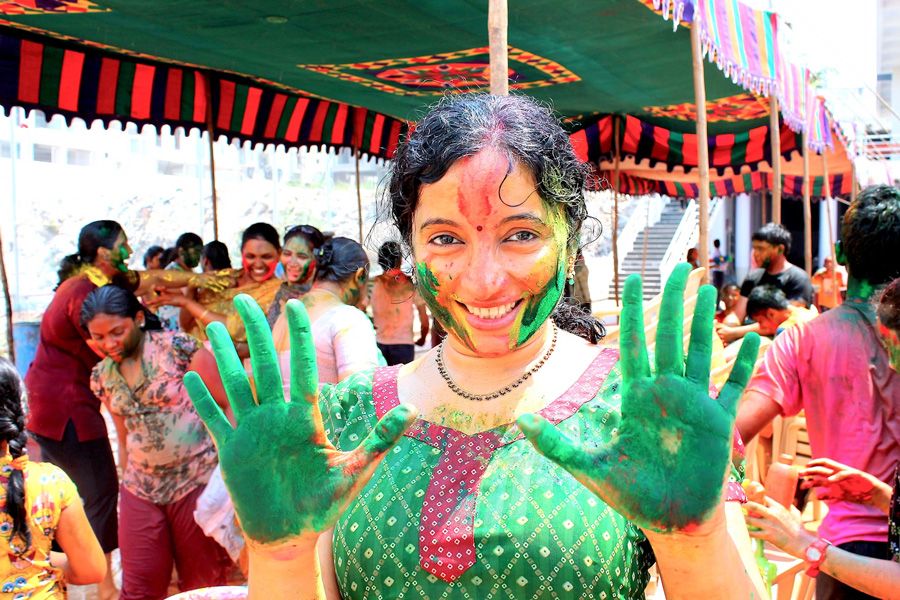
People commonly speak English in most major Indian cities, so you can easily get by with simple greetings like "hello," "goodbye," and "thank you", even in smaller towns. However, if you're travelling in the northern part of India, try to greet people with "namaste" (which means "I bow to you") while putting your hands together in front of your chest like you're praying.
When you meet Muslim people in north India, you can say "salaam alaikum" (which means "peace be with you"), and they usually reply with "alaikum salaam." People appreciate it when you try to speak their language, even if your pronunciation isn't perfect, so don't be afraid to try!
Handshakes are common in business settings among men, but in less urban areas, men and women generally don't shake hands. Always use your right hand to shake hands or when you give or receive something, like money.
If someone invites you to their house, bring a small gift, like flowers or sweets. Remember to take off your shoes before you go inside. Eating and drinking whatever they offer you is also polite, even if it's not to your taste. In India, different religions have specific rules about what foods they can eat. For example, Muslims don't eat pork, many Hindus avoid beef, and you'll find that some Hindus and Buddhists might be vegetarian or vegan. Jains are strict vegetarians and also skip eating certain veggies like onions, garlic, and potatoes because they want to avoid harming any living things. Thanks to these dietary practices, it's easy to find vegetarian and vegan food all over India.
In many parts of India, especially in the south, eating with your hands in restaurants is common. Just look around and follow what other people are doing. Always use your right hand to eat. You can mix rice and curry with your fingers to form small balls and then use your thumb to help push the food into your mouth.
Dress Modestly
Modest dress is important, especially for women. No matter your gender, you'll blend in better if you wear clothes that are not too tight and cover your legs and arms. When it comes to swimming, swimsuits are okay at the beach, but don't be surprised if you see locals swimming in their regular clothes.
If you want to fit in, consider buying traditional Indian clothes. For men, a kurta pyjama, which looks like a long shirt paired with loose pants, is a good choice. For women, a salwar kameez, a long shirt, loose pants, and a scarf are perfect. These outfits are not only appropriate but also comfortable.
Be Respectful of Other Religions
Religion is a major part of most Indians’ lives, so make sure you understand the etiquette when visiting religious temples, mosques, gurdwaras (Sikh shrines), synagogues, and churches. First, always check if you can go in — some places might not let you in if you don't follow that religion. For example, some mosques and temples might be off-limits, and mosques often close to visitors during prayer times or on Fridays.
Before entering any religious site, you might need to take off your shoes, and it's a good idea to have a scarf or shawl to cover your head if needed. You should also wear clothes that cover your legs and arms — carrying something like a sarong can be a quick fix if you need to cover up. Be aware that some places don't allow leather items, and taking photos might be banned.
When you're at these sites, avoid pointing your feet at people or statues, as it's seen as rude. Also, don't touch any statues or people's heads. At Buddhist and Hindu sites, you're supposed to walk around shrines in a clockwise direction, which is a respectful practice called a parikrama.
It's common to make an offering or leave a donation at religious sites. While locals might donate, watch out for people showing off big donation receipts and trying to pressure you. Giving a small amount is okay; don't feel like you must give a lot of money.
Don't Drink Tap Water
Tap water can make you sick, and stomach issues are the most common problem travellers face there. It's best to stick to purified or bottled water. Even better, if you purify your own water, you'll help reduce the amount of plastic waste.
Be careful with ice in your drinks, ice cream, and raw foods like salads or dishes like coriander chutneys that might have been rinsed with tap water. As for fruit, go for the ones you can peel or wash well, and be wary of freshly squeezed juices. However, hot drinks like chai, a milky, often spiced, and sweet tea, are usually safe to drink.
With that out of the way, it’s time to book your Avios reward flights and head for that dream trip to India.