Reasons another country can deny you entry
 Kayleigh
27 May 2025

Last Updated: 06 Jul 2026
Flight Club
Search for pages and actions
Search for pages and actions
KayleighLast Updated: 06 Jul 2026
KayleighLast Updated: 06 Jul 2026
Most of us pack our bags, head to the airport, and expect to stroll through arrivals without much fuss. But crossing a border isn't guaranteed. Every country has the sovereign right to deny entry to non-citizens—and it happens more frequently than many realise.
Incorrect paperwork, problems at border security control, or a missing vaccination certificate can instantly derail your travel plans. Being denied entry at an airport turns what should be the start of a great trip into a stressful and expensive ordeal. Here’s why some travellers are turned away—and how to avoid finding yourself in the same situation.
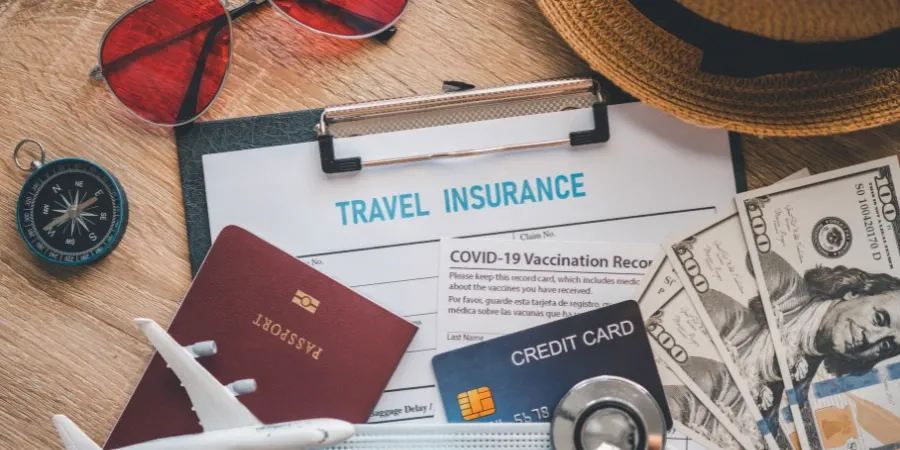
One of the most common reasons for denied entry to a country is failing to meet basic travel document requirements. These include passports, visas, and in some cases, printed evidence of return travel or accommodation.
Passport validity requirements vary depending on where you're going. Some destinations request that your passport be valid for at least six months beyond your arrival date. If you arrive with a document that’s about to expire, you risk being denied entry ‘due to expired passport’—a frustrating situation that's easily avoidable with proper planning.
Beyond that, authorities may perform travel document verification checks and expect compliance with international travel documentation standards. Any inconsistencies can raise red flags at customs and border protection points.
Many travellers underestimate the complexities of the travel visa application process. It’s essential to understand the specific entry requirements for UK citizens or your nationality when visiting another country.
Visa denial reasons range from incomplete applications to suspicion of non-genuine travel intentions. Others face denied entry due to visa issues, even when holding a valid visa, if border agents believe you plan to overstay or work illegally.
If you're heading to the EU, it's vital to check the entry requirements for Schengen area countries. Each state has its own interpretation of rules and may apply them differently based on risk assessments.
Your past can follow you. Some countries implement criminal record travel restrictions, especially for offences involving drugs, fraud, or violence. If flagged, you might face denied entry due to security concerns, even if your conviction was minor or occurred years ago.
The U.S. often denies entry for crimes involving moral turpitude, even if committed years ago. Canada may deem travellers “criminally inadmissible” for minor offences like DUI unless rehabilitated or granted a permit. Australia and New Zealand apply a "character test" and can refuse entry for convictions with 12-month prison sentences or more.
Increasingly, governments are sharing information across international security databases and no-fly lists. If you're flagged, you could be caught up in airport immigration procedures or referenced in no-fly list information systems, with little warning.
In such cases, some countries allow an airport entry denial appeal process or post-entry assessment, but many decisions are final. If you suspect your history might be an issue, seek legal advice or contact the relevant embassy before booking your trip.
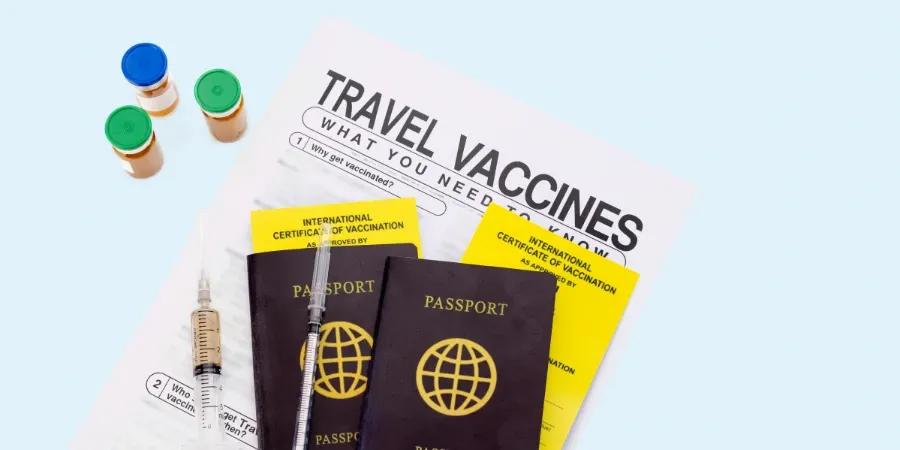
Since the pandemic, health requirements for travel have, understandly, become much stricter. Some countries still enforce vaccination requirements for entry, particularly if you're arriving from regions with high disease prevalence.
Travellers without proper documentation may face travel bans due to health concerns or be sent to quarantine—at their own expense. The rules are especially firm for unvaccinated travellers, with many countries maintaining travel restrictions for unvaccinated passengers.
Always check the latest travel restrictions by country, especially as some requirements can change with little notice.
A missing hotel reservation or lack of return flight can lead to suspicion of unauthorised stay or illegal work. Border agents may conduct immigration interview questions to assess your travel intent, and if they’re unconvinced, you could face denied boarding reasons or be turned away.
Carrying supporting documentation—such as proof of funds, accommodation, and itinerary—can help during airport immigration procedures. Always be honest and consistent with your responses, as inconsistencies often raise alarms.
In rare cases, visitors face rejection based on broader geopolitical tensions. Some countries enforce travel restrictions for certain nationalities, or impose travel restrictions for political reasons, affecting specific groups of travellers.
Others maintain travel blacklist countries that are flagged due to sanctions or diplomatic breakdowns. Even dual nationals can face issues, with complex travel restrictions for dual citizens complicating their rights of entry and protection abroad.

Failing to follow customs declaration requirements can lead to delays or denied entry due to missing documents. Items like large amounts of cash, restricted goods, or food products need to be declared upfront.
Each country has its own airport customs procedures, and ignorance isn’t a valid defence. Check regulations carefully before travelling, especially when carrying electronics, medication, or high-value items.
Once refused entry, travellers are often subject to airport detention procedures and escorted onto the next available flight home. In some cases, an entry denial appeal process is available—but typically not on the spot. You may need to appeal through legal channels or through the embassy once back in your home country.
To prevent problems before they arise, use a travel eligibility checker or contact the destination's consulate. Taking this step early could save you from being denied entry altogether.
Being turned away at the border comes with costs. From non-refundable bookings to last-minute flights, the expenses can mount up quickly. That’s why having travel insurance for denied entry is a smart safeguard. Some providers offer coverage for trip interruption caused by travel bans and advisories or denied boarding.
Also, keep up to date with travel advisories for UK citizens and check destination rules before you fly.

If you're flying with British Airways, it's essential to stay informed. Make sure to check British Airways flight information, confirm your documentation well in advance, and review your British Airways membership details if you're using British Airways flights using Avios for your booking.
With border policies shifting frequently due to health, security, and political developments, keeping track of international travel regulations has never been more important.
Cross-border travel doesn't have to be stressful. By planning ahead, understanding the rules, and keeping your paperwork in order, you can reduce the risk of being refused entry—and spend more time enjoying your trip.
Most of us pack our bags, head to the airport, and expect to stroll through arrivals without much fuss. But crossing a border isn't guaranteed. Every country has the sovereign right to deny entry to non-citizens—and it happens more frequently than many realise.
Incorrect paperwork, problems at border security control, or a missing vaccination certificate can instantly derail your travel plans. Being denied entry at an airport turns what should be the start of a great trip into a stressful and expensive ordeal. Here’s why some travellers are turned away—and how to avoid finding yourself in the same situation.
One of the most common reasons for denied entry to a country is failing to meet basic travel document requirements. These include passports, visas, and in some cases, printed evidence of return travel or accommodation.
Passport validity requirements vary depending on where you're going. Some destinations request that your passport be valid for at least six months beyond your arrival date. If you arrive with a document that’s about to expire, you risk being denied entry ‘due to expired passport’—a frustrating situation that's easily avoidable with proper planning.
Beyond that, authorities may perform travel document verification checks and expect compliance with international travel documentation standards. Any inconsistencies can raise red flags at customs and border protection points.
Many travellers underestimate the complexities of the travel visa application process. It’s essential to understand the specific entry requirements for UK citizens or your nationality when visiting another country.
Visa denial reasons range from incomplete applications to suspicion of non-genuine travel intentions. Others face denied entry due to visa issues, even when holding a valid visa, if border agents believe you plan to overstay or work illegally.
If you're heading to the EU, it's vital to check the entry requirements for Schengen area countries. Each state has its own interpretation of rules and may apply them differently based on risk assessments.
Your past can follow you. Some countries implement criminal record travel restrictions, especially for offences involving drugs, fraud, or violence. If flagged, you might face denied entry due to security concerns, even if your conviction was minor or occurred years ago.
The U.S. often denies entry for crimes involving moral turpitude, even if committed years ago. Canada may deem travellers “criminally inadmissible” for minor offences like DUI unless rehabilitated or granted a permit. Australia and New Zealand apply a "character test" and can refuse entry for convictions with 12-month prison sentences or more.
Increasingly, governments are sharing information across international security databases and no-fly lists. If you're flagged, you could be caught up in airport immigration procedures or referenced in no-fly list information systems, with little warning.
In such cases, some countries allow an airport entry denial appeal process or post-entry assessment, but many decisions are final. If you suspect your history might be an issue, seek legal advice or contact the relevant embassy before booking your trip.
Since the pandemic, health requirements for travel have, understandly, become much stricter. Some countries still enforce vaccination requirements for entry, particularly if you're arriving from regions with high disease prevalence.
Travellers without proper documentation may face travel bans due to health concerns or be sent to quarantine—at their own expense. The rules are especially firm for unvaccinated travellers, with many countries maintaining travel restrictions for unvaccinated passengers.
Always check the latest travel restrictions by country, especially as some requirements can change with little notice.
A missing hotel reservation or lack of return flight can lead to suspicion of unauthorised stay or illegal work. Border agents may conduct immigration interview questions to assess your travel intent, and if they’re unconvinced, you could face denied boarding reasons or be turned away.
Carrying supporting documentation—such as proof of funds, accommodation, and itinerary—can help during airport immigration procedures. Always be honest and consistent with your responses, as inconsistencies often raise alarms.
In rare cases, visitors face rejection based on broader geopolitical tensions. Some countries enforce travel restrictions for certain nationalities, or impose travel restrictions for political reasons, affecting specific groups of travellers.
Others maintain travel blacklist countries that are flagged due to sanctions or diplomatic breakdowns. Even dual nationals can face issues, with complex travel restrictions for dual citizens complicating their rights of entry and protection abroad.
Failing to follow customs declaration requirements can lead to delays or denied entry due to missing documents. Items like large amounts of cash, restricted goods, or food products need to be declared upfront.
Each country has its own airport customs procedures, and ignorance isn’t a valid defence. Check regulations carefully before travelling, especially when carrying electronics, medication, or high-value items.
Once refused entry, travellers are often subject to airport detention procedures and escorted onto the next available flight home. In some cases, an entry denial appeal process is available—but typically not on the spot. You may need to appeal through legal channels or through the embassy once back in your home country.
To prevent problems before they arise, use a travel eligibility checker or contact the destination's consulate. Taking this step early could save you from being denied entry altogether.
Being turned away at the border comes with costs. From non-refundable bookings to last-minute flights, the expenses can mount up quickly. That’s why having travel insurance for denied entry is a smart safeguard. Some providers offer coverage for trip interruption caused by travel bans and advisories or denied boarding.
Also, keep up to date with travel advisories for UK citizens and check destination rules before you fly.
If you're flying with British Airways, it's essential to stay informed. Make sure to check British Airways flight information, confirm your documentation well in advance, and review your British Airways membership details if you're using British Airways flights using Avios for your booking.
With border policies shifting frequently due to health, security, and political developments, keeping track of international travel regulations has never been more important.
Cross-border travel doesn't have to be stressful. By planning ahead, understanding the rules, and keeping your paperwork in order, you can reduce the risk of being refused entry—and spend more time enjoying your trip.