After spending most of my life enjoying the sun-drenched streets of Los Angeles, I’ve come to view the city with both a local’s familiarity and a traveller’s curiosity. Earlier this year, I returned to LA to visit family before flying off to Japan—a country I’d been itching to revisit for years. The entire journey, from London to LA to Tokyo, Kyoto, and Osaka, and back to London, was stitched together using a savvy mix of BA reward flights, with Avios points saving me a small fortune in airfare.
In this article, I’ll walk you through my 24-day trip, covering things to do in LA, must-visit spots in Japan, where I stayed, what I ate, and some cultural insights along the way. If you’re planning a similar redemption adventure or wondering how to spend Avios wisely, consider this your friendly guide.
The 1st leg: London to LA on a BA Reward Flight
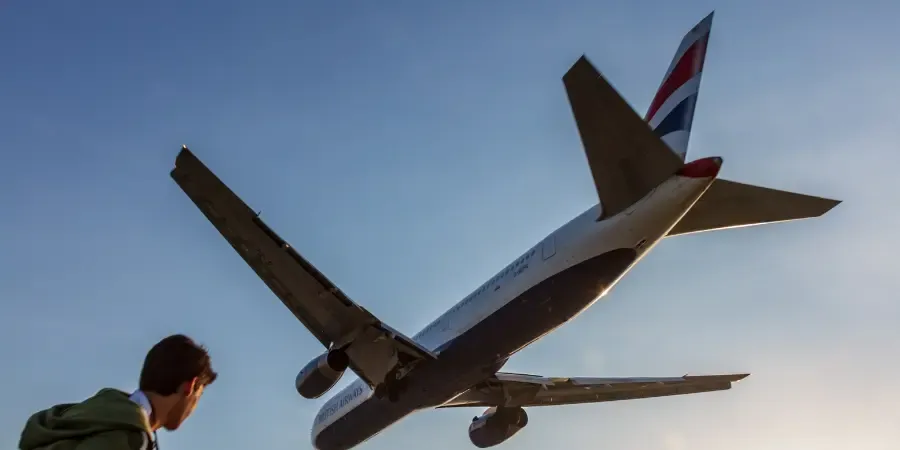
For the first leg of my journey, I redeemed 47,500 Avios plus £177.50 for a Premium Economy seat with British Airways from London to LAX. While Business Class at 90,000 Avios plus £237.50 was tempting, Premium Economy struck the right balance between comfort and value.
If you look at BA.com you can see cash fares for a single leg, Premium Economy flights are priced at £3024. The Avios redemption value - if you use the 1p per 1 Avios rule - is £652.50, which means I ‘saved’ £2371.50 compared to if I’d booked a cash fare for my trip.
The upgraded legroom, better food, quieter cabin and in-flight entertainment made the 11-hour flight more than manageable—and landing in LA felt like returning to an old friend.
10 Days in Los Angeles: Where the sun always shines (and parking is always a pain)
I stayed with relatives in Echo Park, a trendy yet laid-back neighbourhood just west of Downtown LA. It was the perfect home base—close to Silver Lake’s indie coffee shops, Little Tokyo’s Japanese eateries, and the local walking trails around Echo Park Lake. Being in a familiar setting added a personal layer to the trip, giving me time to reconnect with family over homemade meals while still having the freedom to explore the city like a traveller.
Tip: In LA, a car rental isn’t just convenient—it’s essential. Public transit is limited, and while parking fees are a given, the freedom to explore the city on your own terms makes it more than worthwhile.
Where I went in LA
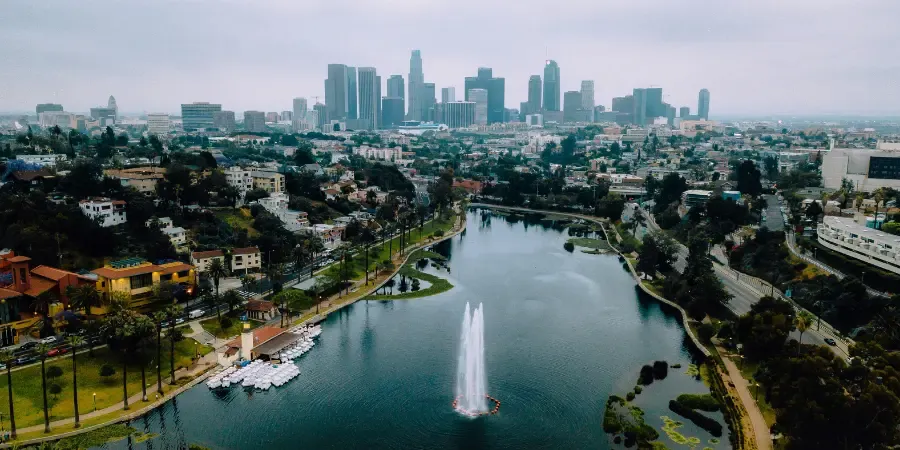
Despite my familiarity with the city, LA always finds a way to surprise me. It could be the vastness of the urban sprawl that just invites you to explore all the tucked-away pockets of culture and nature. Here’s how I spent my time rediscovering LA—revisiting some old gems for a dose of nostalgia, while meandering through the city in search of fresh experiences and unexpected gems along the way.
La Brea Tar Pits
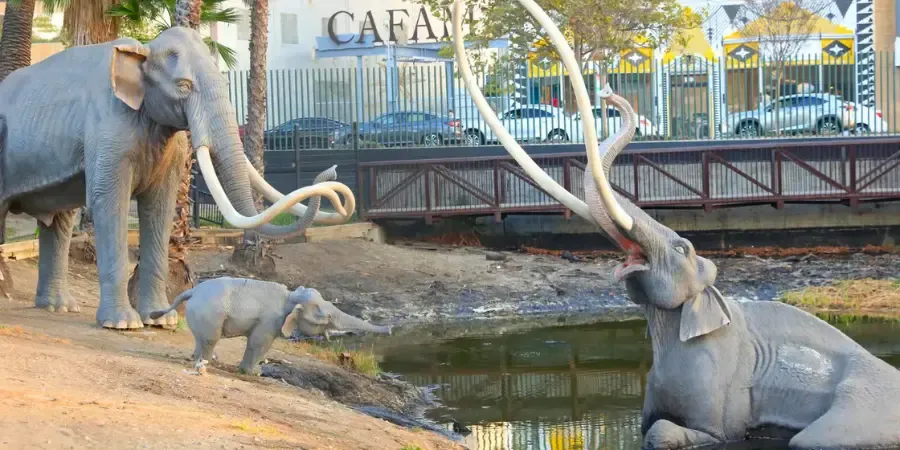
Right in the middle of Wilshire Boulevard, the La Brea Tar Pits is one of those wonderfully random LA landmarks that somehow makes sense. If you're into dinosaurs and prehistoric history, this place doesn’t just impress—it humbles you. Saber-toothed cats, towering mammoths, and pits of tar give the whole site an eerie, otherworldly vibe. The adjoining Page Museum pulls it all together with fascinating exhibits that bring Ice Age LA to life—a must-see for history buffs like me.
Elysian Park
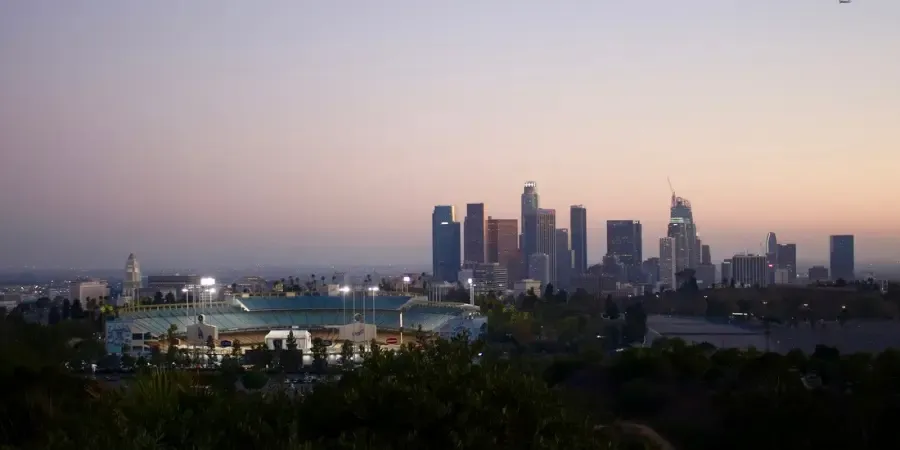
Elysian Park is well worth a visit even if you’re not headed in that direction for a game of baseball. It's one of the city’s oldest and most underrated green spaces, perfect for a casual stroll or a scenic drive. Tucked near the top is a real local’s tip—head to the overlook above Dodger Stadium, crack open a couple of brewskis, and take in the view. It’s even better as the sun goes down. A classic LA hangout—laid-back and local.
Rose Bowl Flea Market
Every second Sunday of the month, the Rose Bowl Flea Market offers up its treasure trove to vintage lovers—and honestly, it has everything. From retro fashion to mid-century homeware and all sorts of quirky odds and ends, you could easily spend half a day wandering the stalls around the iconic stadium. A lot of it can be shop stock or miscellaneous junk, sure—but mixed in are some absolute gems.
On my last visit, I stumbled across some great vintage trinkets. If you’ve got something specific in mind, or even just a curiosity to browse, get it up on your list. Come early for the best finds—and bring cash.
The Getty Center
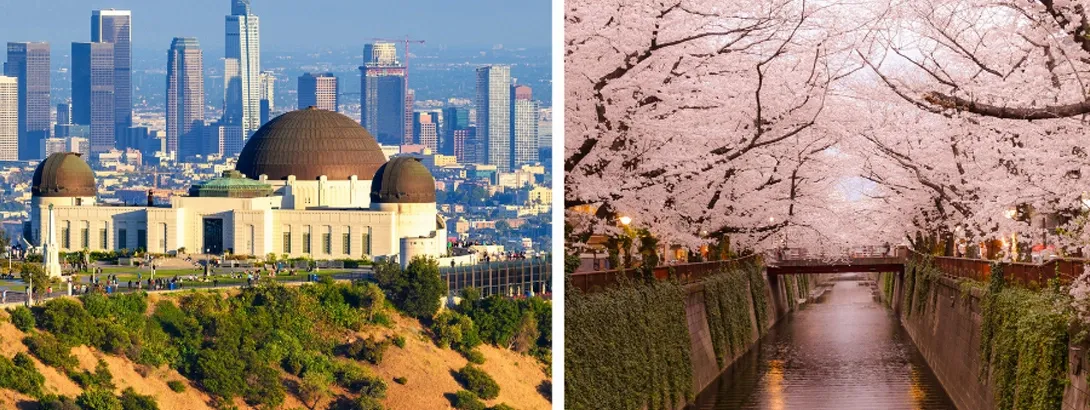
Up in the hills above Brentwood, the Getty Center is one of my favourite pieces of architecture in LA. The city views are reason enough to visit—but the art collection and sculpture gardens add to the experience.
Honestly though, if you’ve been to some of the world’s great art museums, the Getty’s collection might not blow you away. But the hilltop setting, the unique modern design, and the overall atmosphere make it well worth the trip. It’s one of those places where the museum building itself is the real highlight.
UCLA Mildred E. Mathias Botanical Garden
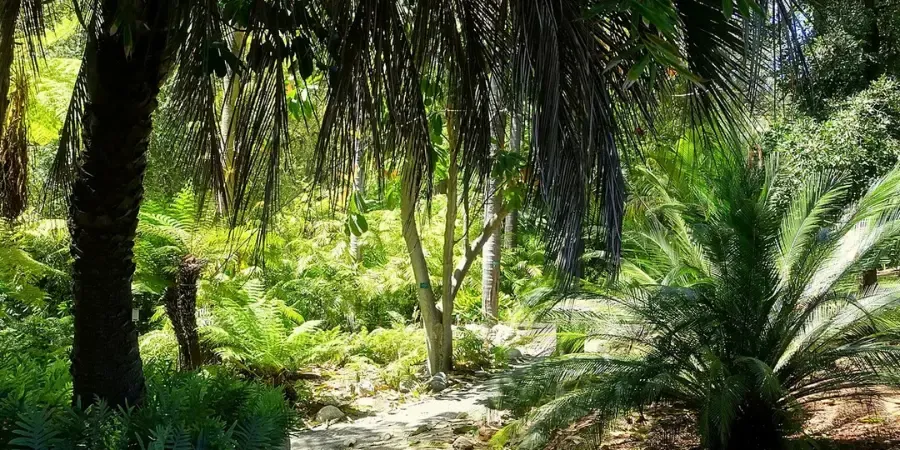
I spent an afternoon walking through the botanical garden on the UCLA campus, and it was a really peaceful break from the city. There were shaded paths, a variety of plants, and hardly anyone around. Best part—it’s free! It’s a nice quiet green spot that’s easy to miss but definitely worth checking out.
Griffith Park + Observatory Hike
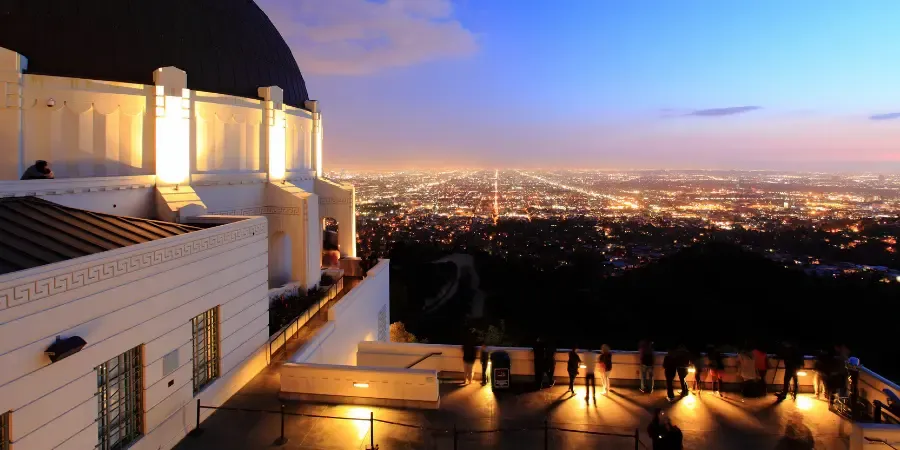
Yes, it’s a bit of a cliché—everyone and their dog has hiked to Griffith Observatory—but honestly, it’s popular for a reason. Just skip the chaotic car park at the top and park near the Greek Theatre instead, then hike your way up through the dusty trails. It’s a decent walk (you'll break a sweat), but the views over LA and the Hollywood Sign are the kind that actually live up to the hype.
Vista Theatre
As a movie buff, I can’t help but save at least one day of any trip just for the films—and in LA, there’s no better place to go, in my opinion, than the Vista Theatre in Los Feliz. This historic single-screen cinema opened in 1923 and still holds onto its Egyptian Revival architecture, complete with hieroglyphic motifs that throwback to Hollywood’s golden age. It doesn't matter if you're catching a new release or a classic piece of cinema (although I'd take an older movie any day than today's garbage) here - you have to check it out.
And if you’re still in the mood for more cinematic history, make your way to the Academy Museum of Motion Pictures. It has iconic exhibits and costumes that tells the story of cinema in LA.
Where I ate in LA
I made it my mission to taste some real staples of LA’s rich food scene, especially since I had a limited amount of time.I knew this city served up flavours found nowhere else, and I’d been craving the experience long before I even boarded the plane in London.
One of my favourite facts is that LA is widely credited as the birthplace of sushi in America, and you can still feel that legacy pulsing through Little Tokyo and beyond.
Back in the 1960s and ’70s, this area became a hub for authentic Japanese restaurants, serving both the Japanese American community and curious locals. One of LA’s most iconic contributions to the global food scene? The California Roll is a perfect example of Japanese technique adapted for the American palate.
Sushi Gen (Little Tokyo)
A real LA institution. Expect to queue, but the melt-in-your-mouth sashimi is worth every minute of the wait. Fresh, delicate, and beautifully plated.
Kang Ho Dong Baekjeong (Koreatown)
If you’re craving some KBBQ, this is one of my favourite spots. Grilled meats and a lively atmosphere. The pork belly is my standout star.
Leo’s Taco Truck (Multiple Locations)

Roll up after 8pm for their legendary al pastor tacos. They bring out the fresh spit in the evening and shave off the meat as it crisps. Topped with a slice of pineapple and wrapped in a warm tortilla—this might just be LA’s best taco. And yes, they’re open late.
James' Beach (Venice)
A laid-back Venice staple made famous by the hilarious film I Love You, Man—and yes, the fish tacos really do live up to the hype. Fresh, flavourful, and wrapped in what tasted like a homemade tortilla.
We went for lunch and got seated right away, which was a win considering the place can get busy. It's got a casual vibe with friendly staff but be warned it's a little on the pricey side. I’d still go back though.
Grand Central Market (Downtown LA)
A popular, historic food hall that brings together some of the city’s best bites under one roof. You’ll find everything from Filipino sisig to egg sandwiches and Thai street noodles. It’s a good place to get overwhelmed.
In-N-Out Burger
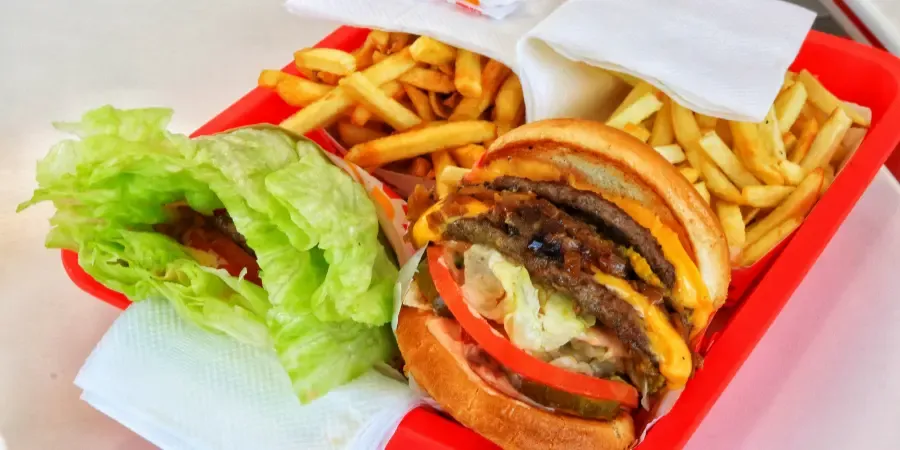
No trip to LA is complete without some of that Double-Double. It’s a West Coast rite of passage. A Double-Double “animal style” hits just right for first-timers and nostalgic returnees alike.
Tierra Mia Coffee
For a local take on caffeine, stop by this Latinx-owned café chain and try the Horchata, it’s sweet, spiced, and super comforting.
The 2nd leg, LAX to Japan: A bit of a workaround
British Airways’ options from LA to Tokyo weren’t ideal—either too expensive or long-winded with unnecessary stopovers. Instead, I booked a separate flight using another airline (real life note: I flew with ANA, I probably should have opted for Japan Airlines since they’re in Oneworld with BA but I find myself leaning towards ANA for flight experience and food) for a direct hop to Tokyo.
This workaround gave me flexibility and saved Avios for the return journey.
Two weeks in Japan: Tokyo, Kyoto & Osaka
I gave myself 14 days to soak in as much of Japan as I could. But before diving into neon nights and temple mornings, I quickly learned that Japan plays by its own rules—and it helps to be prepared. From transport to accommodation, here are a few essential tips to make your trip smoother.
Where to stay in Tokyo: Pick your vibe
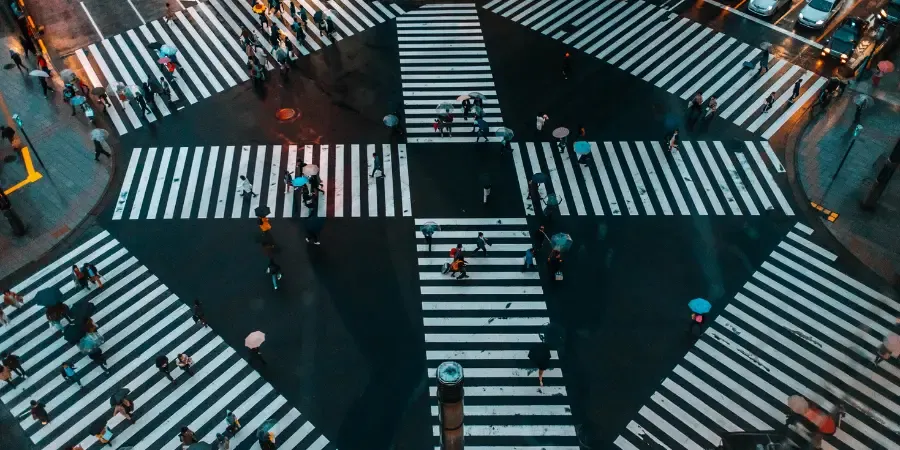
Tokyo is massive, and your neighbourhood shapes your stay. If you’re into museums and quiet parks, Ueno is a cultural hub with easy access to Tokyo Station and the Shinkansen.
For something more lively, base yourself near Shibuya. Areas like Daikanyama, Nakameguro, or Jingumae are packed with cafés, nightlife, and boutiques—a perfect intro to everyday Tokyo life.
Shinkansen tips: Pass vs Pay-As-You-Go
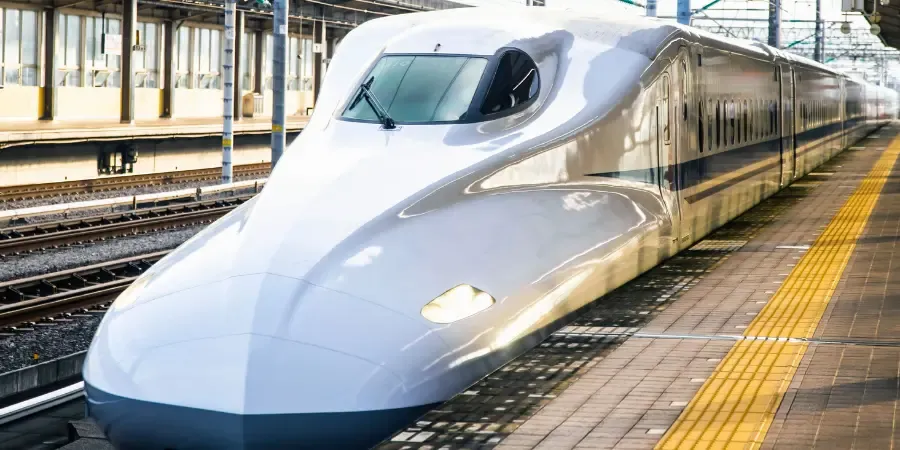
Japan’s bullet trains are speedy and spotless. If you're city-hopping, the JR Rail Pass gives you unlimited rides for 7, 14, or 21 days. It's pricey, but worth it if you're covering ground.
For fewer trips, you can book individual tickets via apps like Klook—just note they’re more expensive and time-locked. I preferred the flexibility of the JR Pass, which also covered my Narita Express ride into the city.
Reserved seats & luggage hacks
Most Shinkansen trains have only 2–3 non-reserved cars. That’s fine unless you're travelling with luggage or during peak hours—space can be tight, and you might find yourself standing. When you activate your JR Pass (I recommend doing this at Tokyo or Shinagawa Station), request reserved seats in advance. If possible, also ask for seats near the luggage storage area or at the end of a carriage where there’s more room to stash large bags.
That said, Japan offers incredibly efficient luggage forwarding services—you can have your suitcases sent from city to city or hotel to hotel, giving you hands-free travel. Since I knew I’d end up buying more than I came with (Japan’s shopping game is elite), I also used Bounce, a super handy service that lets you store luggage at various locations across Japan. I left one of my suitcases in Tokyo for a week, and it only cost me around £9 per day. It’s perfect if you want to travel light between cities or avoid dragging bags on the train. Definitely worth checking out.
Getting around: Suica, Pasmo, or Apple Wallet?
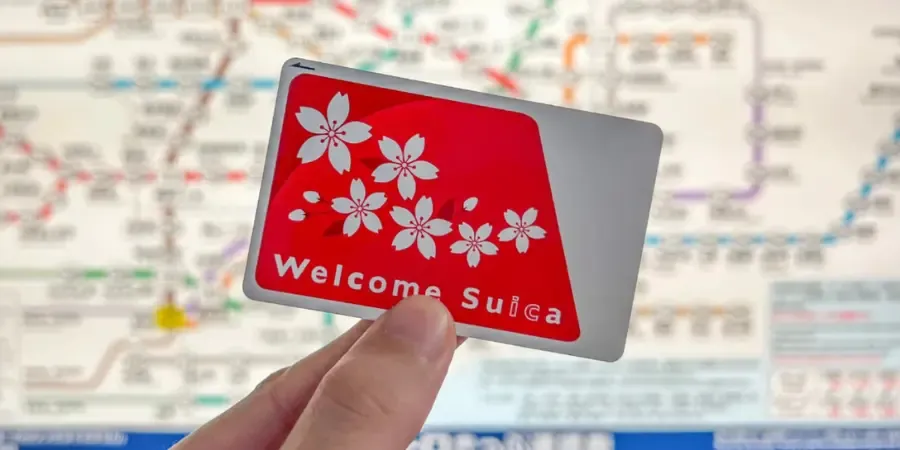
For local travel, grab a Welcome Suica—a prepaid IC card valid for 28 days and usable on trains, buses, and even vending machines. It's available at Narita, Haneda, and major stations.
Pasmo is another option, but requires cash. Apple users can also set up a digital Suica in the Wallet app—it’s super slick but takes a bit of setup.
Tokyo (Days 1–7): Neon, noodles & neighbourhoods
Where I stayed:
I stayed at Hotel Graphy in Shibuya, just a short walk from Daikanyama—100% recommend. It’s a relaxed, design-forward spot with super friendly staff and a daily happy hour at 5pm, which makes it easy to meet fellow travellers.
Hotel Graphy's location is a dream: you're within walking distance to Daikanyama’s boutiques and cafes, the iconic Tsutaya Bookstore and T-Site complex, and just a stone’s throw from the buzz of Shibuya and the chic streets of Omotesando.
A few of the things I did:
- Tokyo Tower
An iconic part of the skyline—classic, cinematic, and glowing beautifully at night. I took the lift up for panoramic views of the city stretching out in every direction.
- Asakusa & Sensō-ji Temple
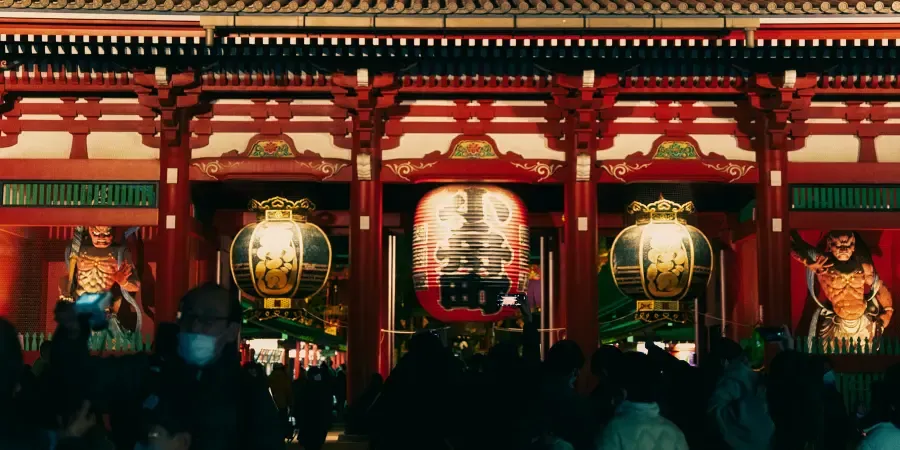
Tokyo’s oldest temple didn’t disappoint. From the dramatic Thunder Gate to the incense-filled courtyard, it’s a vibrant mix of spirituality and souvenir stalls.
- Meiji Jingū Shrine
Tucked within Yoyogi Park, this forested shrine feels worlds away from the chaos of the city. I walked the gravel paths in the early morning—quiet, grounding, and utterly serene.
- Mini Pig Café in Harajuku
Yes, it’s a real thing. And yes, it’s adorable. I spent an hour with tiny squealing pigs curled up in my lap. Equal parts heartwarming and hilarious.
- Teamlab Borderless
A mind-bending art experience where light, sound, and space all blur together. It’s immersive, interactive, and truly unlike any museum you’ve ever been to.
- Baseball Batting Cages at Meiji Jingu Gaien
It felt like stepping into a manga. I took a few swings at the batting cages—cheap, fun, and a great way to burn off the matcha parfaits.
- 21_21 Design Sight
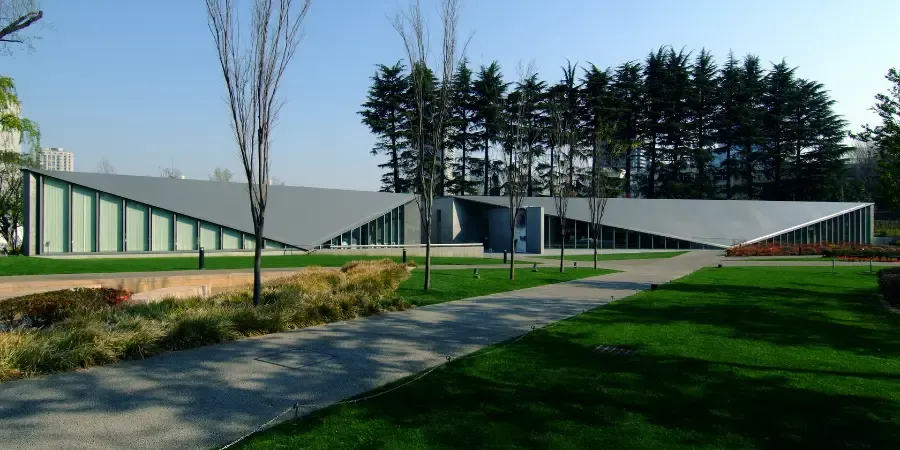
A minimalist’s dream. This sleek museum in Roppongi is a quiet find for design lovers, with ever-changing exhibitions that explore the everyday through a creative lens.
A few of the places I ate at:
- Hoshino Coffee

I love Japanese café culture—and Hoshino is peak coffeehouse charm. It’s the kind of place where you can lose an afternoon sipping hand-dripped coffee, listening to soft jazz, and lingering over desserts like Basque cheesecake, flan, or impossibly fluffy chiffon cake. Slow, soulful, and utterly relaxing.
- Ivy Place – Daikanyama
Tucked within the lush grounds of T-Site, Ivy Place feels like a secret garden café meets a relaxed, open-plan dining space. It’s part of the Daikanyama T-Site complex, home to the iconic Tsutaya Bookstore—a haven for book, magazine, vinyl, and coffee lovers alike.
This area is a design-lover’s dream, blending lifestyle, culture, and quiet luxury. As for Ivy Place itself? It’s perfect for brunch with friends, wine-fuelled dinners, or just slow afternoons on the terrace with a good book and a better dessert.
- Usagi Ramen – Ebisu
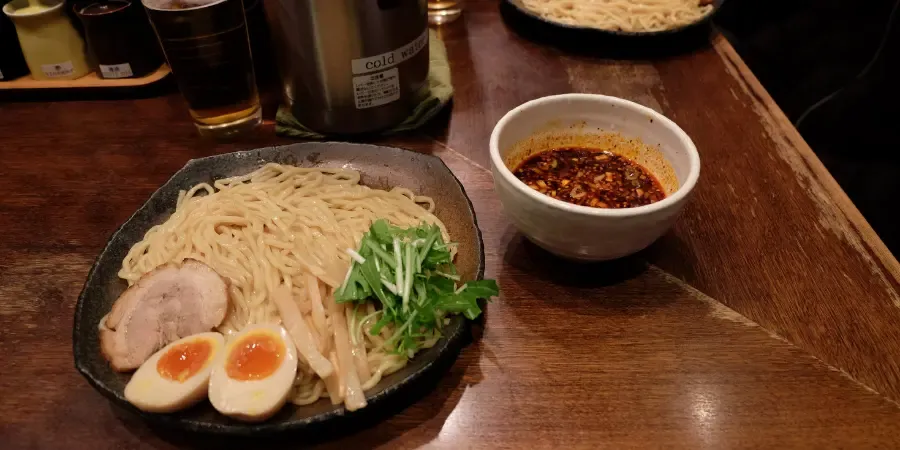
Small shop, big soul. Usagi Ramen is owned by Toru Hashimoto, a close friend and collaborator of the late, legendary Nujabes, the iconic Japanese hip-hop producer. The name Usagi is a tribute, and the vibe reflects that connection—understated, soulful, and deeply crafted. The ramen here leans toward delicate, layered flavours without losing that essential, slurp-worthy comfort. Every bowl feels like it was composed with rhythm and care—perfectly in tune with the spirit of jazz and hip-hop that runs through its roots.
- Shirube – Shimokitazawa
One of my favourite izakayas in one of my favourite Tokyo neighbourhoods. Shirube buzzes with warmth—mismatched plates, hand-written menus, clinking glasses, and grilled skewers flying from the kitchen. A local gem that feels like home.
- Starbucks Reserve Roastery – Nakameguro
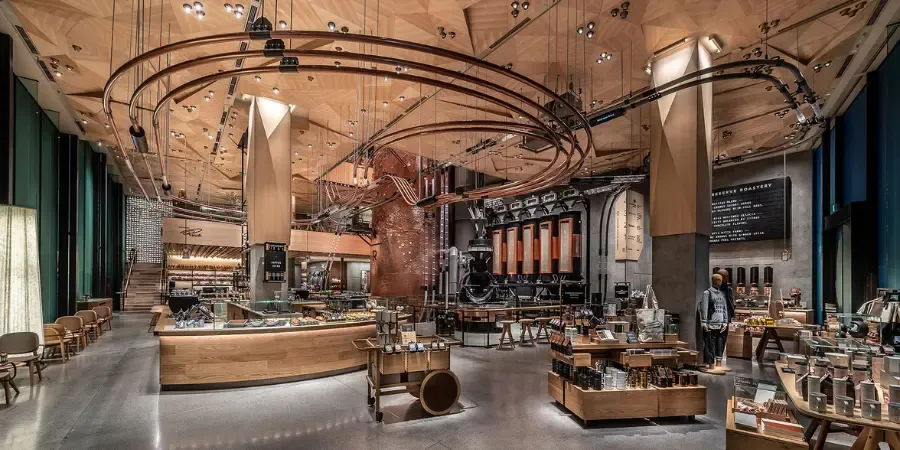
This isn’t your basic Starbucks. The Tokyo Roastery is a multi-level coffee temple—complete with artisan pastries, rare blends, and rooftop views. I came for a latte and stayed for the design, the atmosphere, and that next-level Japan-only Starbucks magic.
- Breakfast Club – Nakameguro
A cosy, retro-style diner where the Saba Teishoku—a grilled mackerel breakfast set—is the star. The owner chatted to me about her inspiration behind it, and it instantly became one of my most memorable meals. It’s hearty, wholesome, and surprisingly soulful for a diner dish.
- Ebisu Es Classico
One of Japan’s best-kept culinary secrets is yōshoku—Western cuisine reimagined through a Japanese lens. At Es Classico, you’ll taste exactly what that means: Italian classics elevated with Japanese finesse. Hands down, some of the best pasta I’ve had anywhere in the world.
- Hacienda Del Cielo – Daikanyama
Speaking of yōshoku, this upscale Mexican rooftop spot blends Tokyo cool with Latin heat. The views of the city are stunning, and the margaritas hit just right. A perfect way to wind down after a day of exploring.
Kyoto (Days 8–11): Temples, tea & tranquility
Where I stayed:
I booked a traditional machiya townhouse near Gion—complete with tatami mats, sliding doors, and a tiny, manicured garden. It felt like stepping into another era, where the rhythm of life slows down and every creaking floorboard tells a story.
Things I did:
- Fushimi Inari Taisha
The iconic red torii gates truly live up to the hype. Yes, it gets crowded—especially at the base—but it’s absolutely worth visiting. The trick? Keep hiking. The further you climb up Mount Inari, the quieter it becomes. Soon, the crowds fade, and it’s just you, the forest, and the rhythmic path of gates winding into the mist. It felt almost otherworldly early in the morning, with a light fog hanging in the air.
- Shōseien Garden
A short stroll from Kyoto Station, this tranquil, little-known spot offers picture-perfect views of seasonal foliage, koi-filled ponds, and traditional architecture. It’s also right across from Higashi Hongan-ji Temple, making it the perfect double stop if you're in the area.
- Nishiki Market
A sensory overload in the best way possible. From matcha mochi to tiny grilled octopus on sticks, I snacked my way through Kyoto’s most delicious alleyway.
- Pug Café

Yes, you read that right. I popped into a café (albeit on the other side of town) away from Nishiki Market where a dozen sleepy, snorting pugs lounged across sofas. It was weird, wonderful, and extremely therapeutic.
Where I ate:
- Omen
Near the Philosopher’s Path – Comfort food at its finest. Big bowls of handmade udon, seasonal veggies, and crisp pickles made for a soul-warming lunch.
- Kaiseki at Gion Karyo
A splurge-worthy, multi-course meal where every dish looked like it belonged in an art gallery. Think sakura-infused tofu, jewel-like sashimi, and yuzu sorbet served with poetic timing.
Osaka (Days 12–14): Street food capital
Where I stayed:
I stayed at The Prince Hotel Osaka Bay, a polished and spacious hotel with genuinely warm service. One of the best perks? A free shuttle that runs on a timetable to and from Osaka Station, making it super convenient to reach all the city’s major areas. The hotel’s quieter bay location was a nice contrast to the high-energy streets of Dotonbori and Umeda—ideal for recharging between food adventures.
Things I did:
- Dotonbori
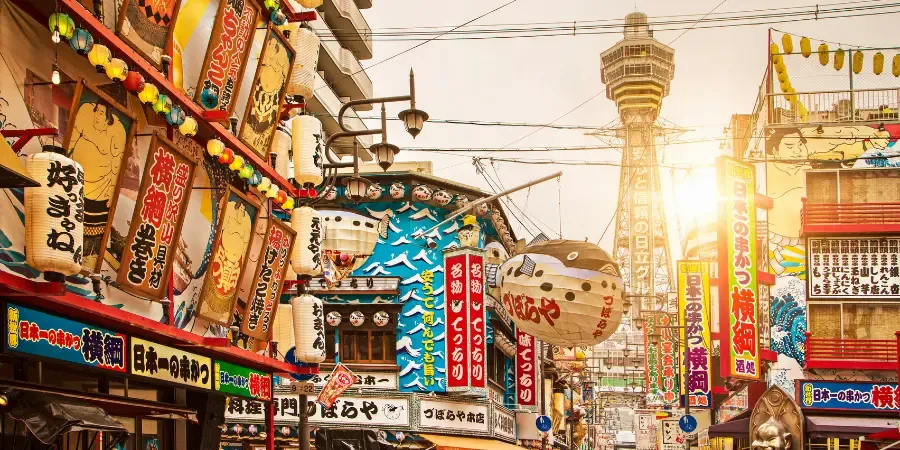
This neon-drenched canal area is pure sensory chaos in the best way. I took a breezy Osaka river cruise beneath glowing signs, then dove into street food heaven—takoyaki, okonomiyaki, kushikatsu, and even a few bites of Wagyu beef skewers grilled right on the street.
- Umeda Sky Building
Rode the glass elevator up to one of the most stunning views of the city. The Floating Garden Observatory at sunset? Breathtaking.
- Tsutenkaku Tower
A retro, slightly kitsch landmark that offers skyline views and a peek into Showa-era Osaka. It’s touristy—but endearingly so.
- Nakazakicho
A lesser-known gem just north of Umeda, this artsy neighbourhood is full of indie cafés, vintage shops, and murals tucked between tiny alleyways. It’s where Osaka slows down and lets you breathe.
Where I ate:
- Takoyaki stands everywhere
Osaka's signature snack. Crispy outside, lava-hot inside, and always topped with dancing bonito flakes and creamy mayo.
- Okonomiyaki at Mizuno
Watching it cooked right in front of me was half the fun. A crispy, cabbage-loaded pancake with pork belly and spring onions, flipped to perfection.
- Kushikatsu in Shinsekai
Deep-fried skewers of just about everything—from lotus root to cheese to shrimp. Dip once into the communal sauce (a rule not to be broken), and pair it with a cold beer.
Returning to London on a BA Reward Flight
For the journey back, I treated myself to Premium Economy on British Airways from Tokyo to London, redeeming 50,000 Avios plus £202.50. The flight was smooth, the service gracious, and after two weeks of navigating Japan’s pristine rail system, it was oddly comforting to hear British accents again.
Business Class was an option at 100,000 Avios plus £287.50, but I chose to save those points for another trip. (I hear South Africa calling…)
Again, looking at BA.com you can see cash fares for a single leg, Premium Economy flights between Tokyo and London are priced at £1,790.39. The Avios redemption value - if you use the 1p per 1 Avios rule - is £500, which means I ‘saved’ £1290.39 compared to if I’d booked a cash fare for my trip.
Final thoughts: Making the most of Avios
If there’s one thing this trip proved, it’s that with some planning, Avios reward flights can unlock unforgettable experiences. Here’s what I learned:
- Use the BA reward flight search tool to monitor availability across cabins. Flexible dates can open up premium seats for far fewer points.
- Mix and match cabins for better value. Flying Premium Economy long-haul and Business for overnight returns is a great strategy.
- Not all segments need to be with BA—especially for tricky routes like LA to Japan.