A lot goes into choosing the perfect holiday spot. Sun-soaked beaches, Instagram-worthy backdrops, and opportunities to unwind usually top the list. But there’s another factor that deserves equal weight: safety. Feeling secure while travelling has never mattered more in a world shaped by global conflicts, political unrest, shaky economies, and climate change. Wars rage, borders tighten, and news headlines don’t exactly scream “pack your bags.” But safe destinations do still exist, and they’re closer than you think.
A lot goes into choosing the perfect holiday spot. Sun-soaked beaches, Instagram-worthy backdrops, and opportunities to unwind usually top the list. But there’s another factor that deserves equal weight: safety. Feeling secure while travelling has never mattered more in a world shaped by global conflicts, political unrest, shaky economies, and climate change. Wars rage, borders tighten, and news headlines don’t exactly scream “pack your bags.” But safe destinations do still exist, and they’re closer than you think.
In this blog, we’ve rounded up the top countries ranked by the Global Peace Index and other trusted reports to give you the safest bets for 2025 and 2026. We’ll also tell you how to spend Avios to book a flight and exactly how many Avios points for a flight you’ll need to get there with Avios and British Airways.
The Global Safety Picture
Unless you’ve been living under a rock, you know that peace can feel like a rare commodity in 2025. The Global Peace Index (GPI) reports that state-based conflicts are at their highest since World War II, with three new ones breaking out this year alone. Military expenditure is climbing, geopolitical tensions are simmering, and the world feels edgy.
But the GPI isn’t all doom and gloom; it also highlights the places that have managed to maintain a certain level of safety. These are countries where political systems are stable, healthcare is strong, infrastructure is reliable, and crime rates remain low.
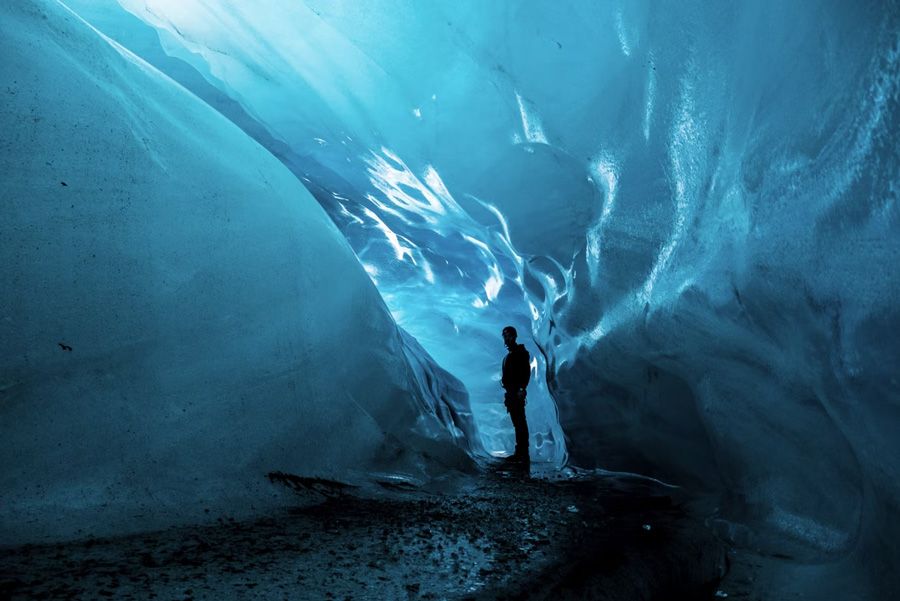
Iceland has held the top spot on the Global Peace Index since 2008, making it the world’s safest country for nearly two decades. Low crime, world-class healthcare, and progressive social policies give visitors genuine peace of mind. Locals are famously relaxed; babies nap in prams outside cafés, and police don’t even carry guns. Expect a warm welcome if you are LGBTQ+, travelling solo , or with family .
Highlights:
Northern lights in winter and the midnight sun in summer
Geothermal pools, such as the Blue Lagoon and Sky Lagoon
Colourful rhyolite mountain hikes in the Highlands and scenic climbs on Mt. Esja near Reykjavík
Whale sightings in Húsavík and puffins nesting along dramatic coastal cliffs
The chance to walk between tectonic plates at Þingvellir National Park (UNESCO)
What to Avoid:
Iceland’s biggest risks don’t come from people but from nature. Volcanic activity, unpredictable weather, and powerful waves on beaches like Reynisfjara can catch visitors off guard. Sneaker waves here are especially dangerous, so it’s best to keep your distance from the shoreline. Driving in winter also requires caution due to icy roads and sudden storms. Petty crime is rare, but as in any tourist hub, keeping an eye on your belongings in Reykjavík is smart.
Safety Levels and Key Numbers:
Emergency services are highly efficient in Iceland. Here are some key numbers to note down before you travel:
General Emergency: 112
Police: 444 1000 (non-emergency)
Ambulance/Fire: 112
How To Get There With Avios:
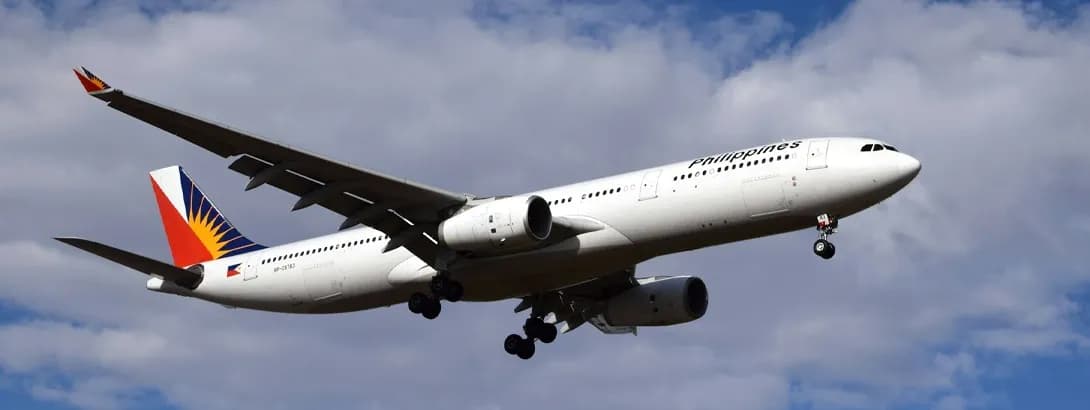
Off-peak Economy return British Airways reward flightsfrom London to Reykjavík start at 27,500 Avios plus £1, while Business Class seats begin at 48,500 Avios plus £25.
Search BA Reward Seat Availability
Find available reward seats with British Airways and Iberia.
Passenger
1
Switzerland
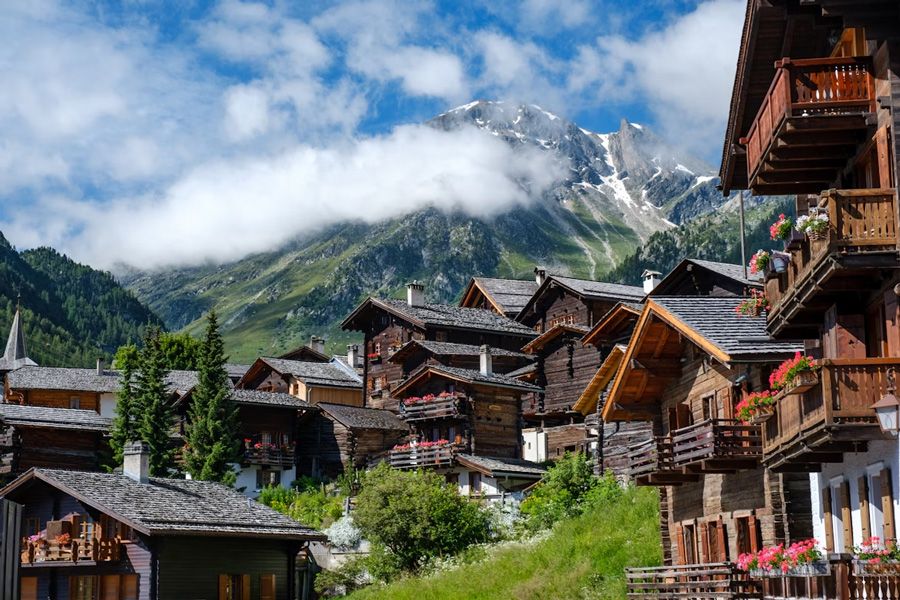
Roger Federer might have retired, but the land of lakes, chocolates, and cheese shows no signs of giving up its title as one of the safest in the world. Ranked among the top 10 globally for peace and stability, Switzerland has low violent crime rates, excellent healthcare, and famously efficient infrastructure.
It’s not crime you need to worry about here, but some natural elements: avalanches, altitude sickness, or sudden weather changes in the Alps. With a little preparation, though, those adventures can be as safe as they are breathtaking. Cities like Zurich and Geneva are clean, well-organised, and easy to navigate, and even solo travellers and families can feel secure in Alpine villages.
Highlights:
One of the world’s most scenic train journeys between Zermatt and St. Moritz on the Glacier Express
Europe’s largest waterfall, Rhine Falls, just outside Schaffhausen
The ride up to Jungfraujoch on the cogwheel railway with sweeping glacier views at the “Top of Europe”
The iconic Chapel Bridge and lake cruises surrounded by snow-capped peaks
Mürren sits high above Lauterbrunnen Valley, a peaceful, car-free village with views that feel lifted from a postcard
What to Avoid:
Switzerland’s main risks come from its dramatic landscapes rather than crime. Avalanches, rockfalls, and sudden weather shifts in the Alps can pose dangers, so always check conditions before hiking or skiing. Altitude sickness can also affect travellers at higher elevations. Pickpockets occasionally target busy transport hubs, shopping streets, and Christmas markets in cities like Zurich, Geneva, or Bern. Avoid Zurich’s Seebach district and parts of Langstrasse at night, and keep your wits about you in nightlife areas.
Safety Levels and Key Numbers:
They don’t call Switzerland ‘neutral’ for nothing; Most travellers describe it as one of Europe's easiest and most reassuring places to visit. Still, it’s always helpful to keep some emergency numbers handy:
General Emergency: 112
Police: 117
Ambulance: 144
Fire Department: 118
How To Get There With Avios:
Off-peak Economy return reward flightsfrom London to Basel, Geneva, or Zurich start at 18,500 British Airways Avios plus £1, while Business Class seats are available from 30,000 Avios plus £25.
Search BA Reward Seat Availability
Find available reward seats with British Airways and Iberia.
Passenger
1
Austria
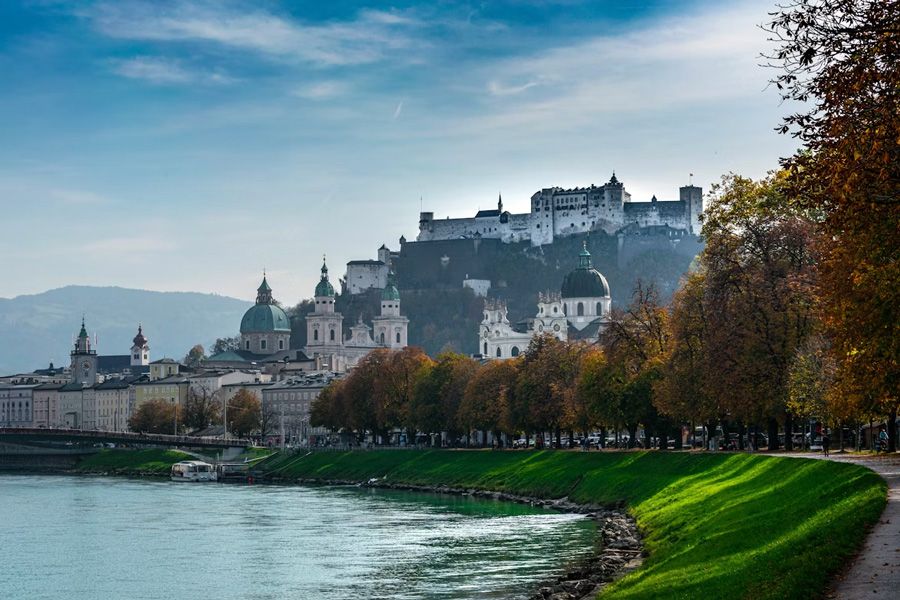
Whether you want to try your best Schwarzenegger “I’ll be back” impression in his homeland, bite into a kipferl (believed to be the inspiration for the croissant), or pay homage to Mozart, all roads lead to Austria. Ranked among the world’s safest destinations, Austria benefits from a constitutionally mandated policy of neutrality, keeping it free from military alliances and focused on domestic well-being. Low violent crime and efficient infrastructure make this Alpine nation one of Europe’s most reassuring places to explore.
Flight Type
Passenger
1
Origin
Destination
Highlights:
Imperial grandeur at Vienna’s Schönbrunn Palace and medieval history at Salzburg’s hilltop fortress
Mountain vistas along the Großglockner High Alpine Road
UNESCO-recognised coffee houses in Vienna, perfect for unhurried afternoons
Alpine access via Innsbruck’s city-centre cable car
Most safety issues here are minor. Petty theft and pickpocketing occasionally occur in Vienna’s busiest spots, especially around St. Stephen’s Cathedral, the Ringstrasse, Christmas markets, and on public transport. Be cautious around Praterstern, Langstrasse, or nightlife areas like the Bermuda Triangle at night. Avalanches, altitude sickness, and sudden weather changes are some natural risks in the Alps; check conditions before heading out.
Safety Levels and Key Numbers:
Austria consistently ranks in the top 10 of the Global Peace Index. Violent crime is rare, healthcare is excellent, and emergency services are efficient. Here are some key numbers to note down before you visit:
General Emergency: 112
Police: 133
Ambulance: 144
Fire Department: 122
How To Get There With Avios:
You can fly from London to Vienna on off-peak Economy return British Airways reward flights starting at 18,500 Avios plus £1. Business Class begins at 30,000 Avios plus £25.
Search BA Reward Seat Availability
Find available reward seats with British Airways and Iberia.
Passenger
1
Singapore
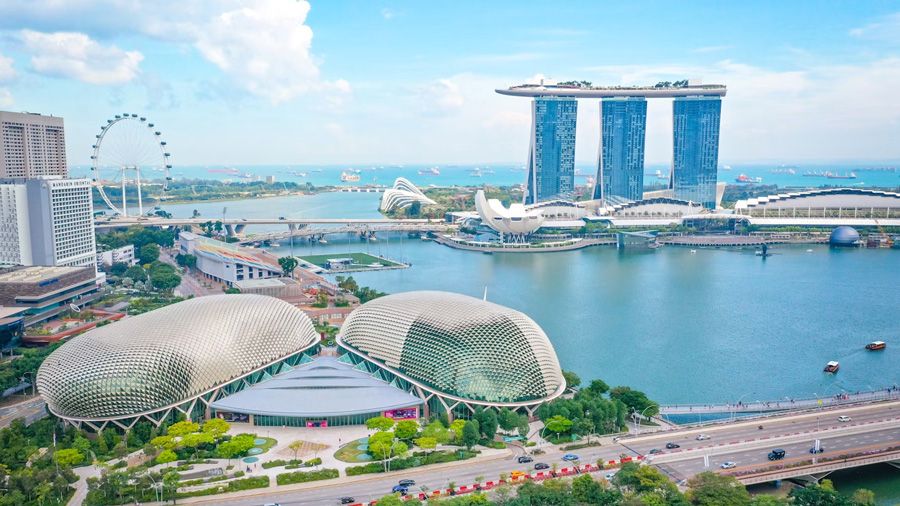
With enough nationalities to make up an entire continent co-existing peacefully, ‘The Red Dot’ knows a thing or two about peace. Maintaining its position at number six, the city-state of Singapore is the only Asian country in the top 10 safest destinations. Low crime rates, strict law enforcement, and great infrastructure create a level of security most big cities can only dream of. Visitors will find a city where strolling the river at 2 a.m., grabbing hawker food, or enjoying a late-night park walk all feel completely safe.
Highlights:
Glowing Supertrees and nightly light shows at Gardens by the Bay
Skyline views from the Marina Bay Sands SkyPark’s infinity pool or observation deck
Sentosa Island’s beaches, Universal Studios, and SEA Aquarium
Nature walks along the Southern Ridges and canopy views on the MacRitchie Treetop Walk
What to Avoid:
Singapore is one of the safest cities in the world, but it’s also one of the strictest. Chewing gum, littering, jaywalking, or vandalism can all bring heavy fines, and drug crimes carry the death penalty. Avoid darker alleys late at night, though violent crime is rare. Be cautious of petty theft in crowded spots like hawker centres or on the MRT. Some neighbourhoods like Yishun or Woodlands have higher local crime but are rarely on tourist itineraries.
Safety Levels and Key Numbers:
Violent crime is almost unheard of, and public transport is safe around the clock. Health concerns mainly stem from heat, humidity, or mosquito-borne illnesses like dengue, so stay hydrated and pack repellent. Keep these key numbers within easy reach:
Find available reward seats with British Airways and Iberia.
Passenger
1
Portugal
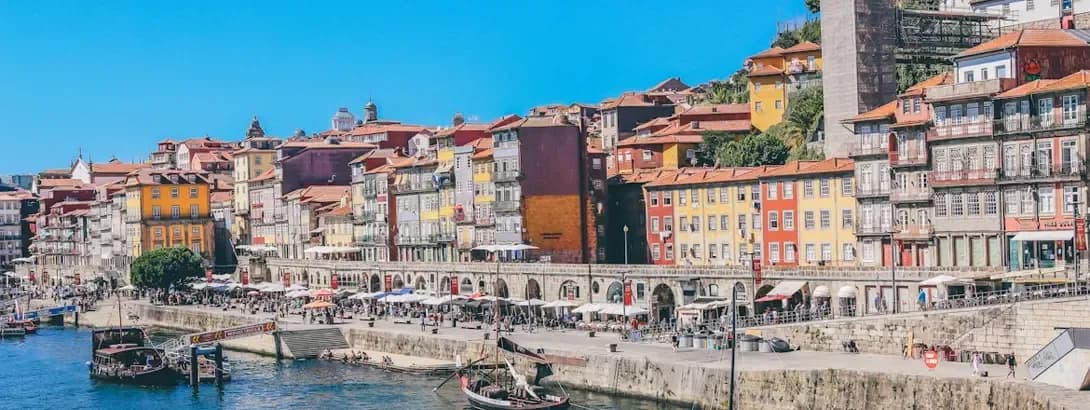
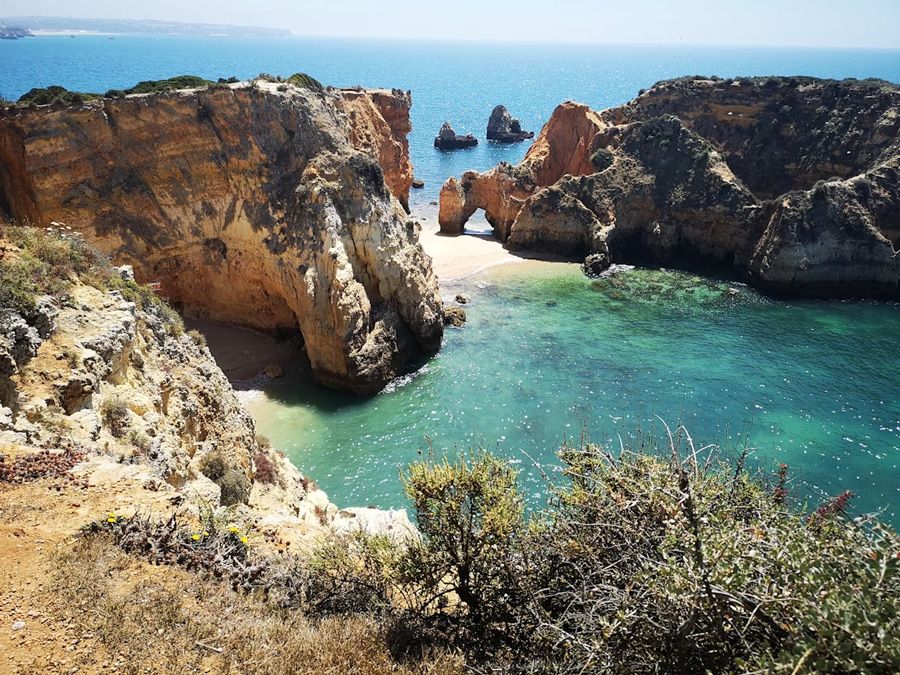
Warm, wallet-friendly, and wonderfully welcoming, Portugal is one of Europe’s easiest “yeses.” Crime is low, the political climate is stable, and English is widely spoken in cities and tourist areas. Add in a mild, sunny climate (especially in shoulder seasons), good public transport, and famously hospitable locals, and you’ve got a destination where solo travellers, friend groups, and families feel at ease.
Sintra’s fairy-tale palaces nestled in misty, forested hills
Clifftop hikes in the Algarve and sea caves like Benagil reached by kayak
Historic charm in Évora’s Roman ruins and Coimbra’s ivy-clad university lanes
Island adventures on Madeira’s levada trails and the Azores’ crater lakes and hot springs
What to Avoid:
Like any other popular tourist destination, Portugal’s biggest risks concern opportunistic theft or natural elements. In Lisbon and Porto, crowded spots like Tram 28, Baixa, Chiado, Ribeira, and the busy train stations are prime territory for pickpockets using distraction tricks. On the coast, beaches such as Guincho and Costa da Caparica are gorgeous but notorious for towel-side thefts. Car break-ins, especially in rentals, are another common nuisance. Anything visible inside is fair game, so always use secure parking.
Nature has its hazards too: the Atlantic Ocean is famously powerful, with strong rips and currents that make swimming risky if you ignore the flags. Inland, summer wildfires flare up between July and September, while the heat can spike unexpectedly. And in the cities, Portugal’s charming calçada pavements (those slippery, mosaic cobblestones) can turn treacherous after rain, so good shoes are your best friend.
Safety Levels and Key Numbers:
Portugal consistently ranks among the world’s safest countries. Violent crime is rare and most issues are opportunistic theft in crowded areas. Healthcare access is good in cities; pharmacies (“Farmácia,” green cross) are helpful for minor issues. Keep these emergency numbers handy just in case:
All emergencies (Police/Fire/Ambulance): 112
Maritime emergencies: use 112 (they’ll route you)
Tourist info/help desks: available at major airports and central squares in Lisbon/Porto
How to Get There With Avios:
Off-peak Economy return British Airways reward flightsfrom London to Faro, Funchal (Madeira), Lisbon, Ponta Delgada (Azores), and Porto start from 23,500 Avios + £1, while Business Class starts from 40,000 Avios + £25.
Search BA Reward Seat Availability
Find available reward seats with British Airways and Iberia.
Blend in where you can: Flashy jewellery, designer bags, or waving your phone around in crowded areas make you an easy target for pickpockets.
Keep copies: Store digital copies of your passport, ID, and flight details in case they’re lost or stolen.
Know the local numbers: 112 works across most of Europe, but always check country-specific hotlines for police, ambulance, and fire before you travel.
Check the weather: Nature poses a bigger risk than crime in Alpine or coastal regions. Avalanches, strong currents, or sudden storms can turn serious quickly.
Stay insured:A solid travel insurance policy covers medical emergencies, theft, cancellations, and even adventure activities like skiing or diving.
Respect local laws and customs: In places like Singapore, small infractions (littering, chewing gum, jaywalking) can result in hefty fines. Do your homework before you go.
Solo travellers: Trust your instincts, especially at night. Stick to well-lit, populated areas, and let someone know your plans if you’re heading out alone.
There will always be the threat of danger if you’re not careful and mindful of where you’re going, but that shouldn’t mean stowing away your travel bag and refusing to leave the safety of your home. The destinations on this list are some of the safest you’ll find anywhere, but a traveller who’s alert, prepared, and respectful will always be the safest of all.
In this blog, we’ve rounded up the top countries ranked by the Global Peace Index and other trusted reports to give you the safest bets for 2025 and 2026. We’ll also tell you how to spend Avios to book a flight and exactly how many Avios points for a flight you’ll need to get there with Avios and British Airways.
The Global Safety Picture
Unless you’ve been living under a rock, you know that peace can feel like a rare commodity in 2025. The Global Peace Index (GPI) reports that state-based conflicts are at their highest since World War II, with three new ones breaking out this year alone. Military expenditure is climbing, geopolitical tensions are simmering, and the world feels edgy.
But the GPI isn’t all doom and gloom; it also highlights the places that have managed to maintain a certain level of safety. These are countries where political systems are stable, healthcare is strong, infrastructure is reliable, and crime rates remain low.
Iceland has held the top spot on the Global Peace Index since 2008, making it the world’s safest country for nearly two decades. Low crime, world-class healthcare, and progressive social policies give visitors genuine peace of mind. Locals are famously relaxed; babies nap in prams outside cafés, and police don’t even carry guns. Expect a warm welcome if you are LGBTQ+, travelling solo , or with family .
Highlights:
Northern lights in winter and the midnight sun in summer
Geothermal pools, such as the Blue Lagoon and Sky Lagoon
Colourful rhyolite mountain hikes in the Highlands and scenic climbs on Mt. Esja near Reykjavík
Whale sightings in Húsavík and puffins nesting along dramatic coastal cliffs
The chance to walk between tectonic plates at Þingvellir National Park (UNESCO)
What to Avoid:
Iceland’s biggest risks don’t come from people but from nature. Volcanic activity, unpredictable weather, and powerful waves on beaches like Reynisfjara can catch visitors off guard. Sneaker waves here are especially dangerous, so it’s best to keep your distance from the shoreline. Driving in winter also requires caution due to icy roads and sudden storms. Petty crime is rare, but as in any tourist hub, keeping an eye on your belongings in Reykjavík is smart.
Safety Levels and Key Numbers:
Emergency services are highly efficient in Iceland. Here are some key numbers to note down before you travel:
General Emergency: 112
Police: 444 1000 (non-emergency)
Ambulance/Fire: 112
How To Get There With Avios:
Off-peak Economy return British Airways reward flightsfrom London to Reykjavík start at 27,500 Avios plus £1, while Business Class seats begin at 48,500 Avios plus £25.
Search BA Reward Seat Availability
Find available reward seats with British Airways and Iberia.
Passenger
1
Switzerland
Roger Federer might have retired, but the land of lakes, chocolates, and cheese shows no signs of giving up its title as one of the safest in the world. Ranked among the top 10 globally for peace and stability, Switzerland has low violent crime rates, excellent healthcare, and famously efficient infrastructure.
It’s not crime you need to worry about here, but some natural elements: avalanches, altitude sickness, or sudden weather changes in the Alps. With a little preparation, though, those adventures can be as safe as they are breathtaking. Cities like Zurich and Geneva are clean, well-organised, and easy to navigate, and even solo travellers and families can feel secure in Alpine villages.
Highlights:
One of the world’s most scenic train journeys between Zermatt and St. Moritz on the Glacier Express
Europe’s largest waterfall, Rhine Falls, just outside Schaffhausen
The ride up to Jungfraujoch on the cogwheel railway with sweeping glacier views at the “Top of Europe”
The iconic Chapel Bridge and lake cruises surrounded by snow-capped peaks
Mürren sits high above Lauterbrunnen Valley, a peaceful, car-free village with views that feel lifted from a postcard
What to Avoid:
Switzerland’s main risks come from its dramatic landscapes rather than crime. Avalanches, rockfalls, and sudden weather shifts in the Alps can pose dangers, so always check conditions before hiking or skiing. Altitude sickness can also affect travellers at higher elevations. Pickpockets occasionally target busy transport hubs, shopping streets, and Christmas markets in cities like Zurich, Geneva, or Bern. Avoid Zurich’s Seebach district and parts of Langstrasse at night, and keep your wits about you in nightlife areas.
Safety Levels and Key Numbers:
They don’t call Switzerland ‘neutral’ for nothing; Most travellers describe it as one of Europe's easiest and most reassuring places to visit. Still, it’s always helpful to keep some emergency numbers handy:
General Emergency: 112
Police: 117
Ambulance: 144
Fire Department: 118
How To Get There With Avios:
Off-peak Economy return reward flightsfrom London to Basel, Geneva, or Zurich start at 18,500 British Airways Avios plus £1, while Business Class seats are available from 30,000 Avios plus £25.
Search BA Reward Seat Availability
Find available reward seats with British Airways and Iberia.
Passenger
1
Austria
Whether you want to try your best Schwarzenegger “I’ll be back” impression in his homeland, bite into a kipferl (believed to be the inspiration for the croissant), or pay homage to Mozart, all roads lead to Austria. Ranked among the world’s safest destinations, Austria benefits from a constitutionally mandated policy of neutrality, keeping it free from military alliances and focused on domestic well-being. Low violent crime and efficient infrastructure make this Alpine nation one of Europe’s most reassuring places to explore.
Flight Type
Passenger
1
Origin
Destination
Highlights:
Imperial grandeur at Vienna’s Schönbrunn Palace and medieval history at Salzburg’s hilltop fortress
Mountain vistas along the Großglockner High Alpine Road
UNESCO-recognised coffee houses in Vienna, perfect for unhurried afternoons
Alpine access via Innsbruck’s city-centre cable car
Most safety issues here are minor. Petty theft and pickpocketing occasionally occur in Vienna’s busiest spots, especially around St. Stephen’s Cathedral, the Ringstrasse, Christmas markets, and on public transport. Be cautious around Praterstern, Langstrasse, or nightlife areas like the Bermuda Triangle at night. Avalanches, altitude sickness, and sudden weather changes are some natural risks in the Alps; check conditions before heading out.
Safety Levels and Key Numbers:
Austria consistently ranks in the top 10 of the Global Peace Index. Violent crime is rare, healthcare is excellent, and emergency services are efficient. Here are some key numbers to note down before you visit:
General Emergency: 112
Police: 133
Ambulance: 144
Fire Department: 122
How To Get There With Avios:
You can fly from London to Vienna on off-peak Economy return British Airways reward flights starting at 18,500 Avios plus £1. Business Class begins at 30,000 Avios plus £25.
Search BA Reward Seat Availability
Find available reward seats with British Airways and Iberia.
Passenger
1
Singapore
With enough nationalities to make up an entire continent co-existing peacefully, ‘The Red Dot’ knows a thing or two about peace. Maintaining its position at number six, the city-state of Singapore is the only Asian country in the top 10 safest destinations. Low crime rates, strict law enforcement, and great infrastructure create a level of security most big cities can only dream of. Visitors will find a city where strolling the river at 2 a.m., grabbing hawker food, or enjoying a late-night park walk all feel completely safe.
Highlights:
Glowing Supertrees and nightly light shows at Gardens by the Bay
Skyline views from the Marina Bay Sands SkyPark’s infinity pool or observation deck
Sentosa Island’s beaches, Universal Studios, and SEA Aquarium
Nature walks along the Southern Ridges and canopy views on the MacRitchie Treetop Walk
What to Avoid:
Singapore is one of the safest cities in the world, but it’s also one of the strictest. Chewing gum, littering, jaywalking, or vandalism can all bring heavy fines, and drug crimes carry the death penalty. Avoid darker alleys late at night, though violent crime is rare. Be cautious of petty theft in crowded spots like hawker centres or on the MRT. Some neighbourhoods like Yishun or Woodlands have higher local crime but are rarely on tourist itineraries.
Safety Levels and Key Numbers:
Violent crime is almost unheard of, and public transport is safe around the clock. Health concerns mainly stem from heat, humidity, or mosquito-borne illnesses like dengue, so stay hydrated and pack repellent. Keep these key numbers within easy reach:
Find available reward seats with British Airways and Iberia.
Passenger
1
Portugal
Warm, wallet-friendly, and wonderfully welcoming, Portugal is one of Europe’s easiest “yeses.” Crime is low, the political climate is stable, and English is widely spoken in cities and tourist areas. Add in a mild, sunny climate (especially in shoulder seasons), good public transport, and famously hospitable locals, and you’ve got a destination where solo travellers, friend groups, and families feel at ease.
Sintra’s fairy-tale palaces nestled in misty, forested hills
Clifftop hikes in the Algarve and sea caves like Benagil reached by kayak
Historic charm in Évora’s Roman ruins and Coimbra’s ivy-clad university lanes
Island adventures on Madeira’s levada trails and the Azores’ crater lakes and hot springs
What to Avoid:
Like any other popular tourist destination, Portugal’s biggest risks concern opportunistic theft or natural elements. In Lisbon and Porto, crowded spots like Tram 28, Baixa, Chiado, Ribeira, and the busy train stations are prime territory for pickpockets using distraction tricks. On the coast, beaches such as Guincho and Costa da Caparica are gorgeous but notorious for towel-side thefts. Car break-ins, especially in rentals, are another common nuisance. Anything visible inside is fair game, so always use secure parking.
Nature has its hazards too: the Atlantic Ocean is famously powerful, with strong rips and currents that make swimming risky if you ignore the flags. Inland, summer wildfires flare up between July and September, while the heat can spike unexpectedly. And in the cities, Portugal’s charming calçada pavements (those slippery, mosaic cobblestones) can turn treacherous after rain, so good shoes are your best friend.
Safety Levels and Key Numbers:
Portugal consistently ranks among the world’s safest countries. Violent crime is rare and most issues are opportunistic theft in crowded areas. Healthcare access is good in cities; pharmacies (“Farmácia,” green cross) are helpful for minor issues. Keep these emergency numbers handy just in case:
All emergencies (Police/Fire/Ambulance): 112
Maritime emergencies: use 112 (they’ll route you)
Tourist info/help desks: available at major airports and central squares in Lisbon/Porto
How to Get There With Avios:
Off-peak Economy return British Airways reward flightsfrom London to Faro, Funchal (Madeira), Lisbon, Ponta Delgada (Azores), and Porto start from 23,500 Avios + £1, while Business Class starts from 40,000 Avios + £25.
Search BA Reward Seat Availability
Find available reward seats with British Airways and Iberia.
Blend in where you can: Flashy jewellery, designer bags, or waving your phone around in crowded areas make you an easy target for pickpockets.
Keep copies: Store digital copies of your passport, ID, and flight details in case they’re lost or stolen.
Know the local numbers: 112 works across most of Europe, but always check country-specific hotlines for police, ambulance, and fire before you travel.
Check the weather: Nature poses a bigger risk than crime in Alpine or coastal regions. Avalanches, strong currents, or sudden storms can turn serious quickly.
Stay insured:A solid travel insurance policy covers medical emergencies, theft, cancellations, and even adventure activities like skiing or diving.
Respect local laws and customs: In places like Singapore, small infractions (littering, chewing gum, jaywalking) can result in hefty fines. Do your homework before you go.
Solo travellers: Trust your instincts, especially at night. Stick to well-lit, populated areas, and let someone know your plans if you’re heading out alone.
There will always be the threat of danger if you’re not careful and mindful of where you’re going, but that shouldn’t mean stowing away your travel bag and refusing to leave the safety of your home. The destinations on this list are some of the safest you’ll find anywhere, but a traveller who’s alert, prepared, and respectful will always be the safest of all.
 Kayleigh