
Spend enough time reading about Avios, and you could be forgiven for thinking every redemption has to end in a lie-flat seat. British Airways Business Class redemptions tend to dominate the conversation, so travellers often treat Economy as a compromise. In reality, many Avios collectors would rather take two Economy trips than spend years chasing a single perfect Business Class redemption.
In fact, BA Economy sits at the heart of how the BA Club works. Availability tends to be stronger, Reward Flight Saver keeps pricing relatively predictable, and the lower Avios cost means you can travel more. Many travellers think it’s often the most practical way to use an Avios balance.
In this guide, we’ll take a detailed look at how BA Economy works and how to approach bookings so you use fewer Avios points and avoid unnecessary cash costs. The aim is simple: help you see when Economy makes sense and to help you book with confidence.
An Overview of British Airways Economy
BA runs two different versions of Economy depending on where you’re flying:
Euro Traveller (Short Haul):
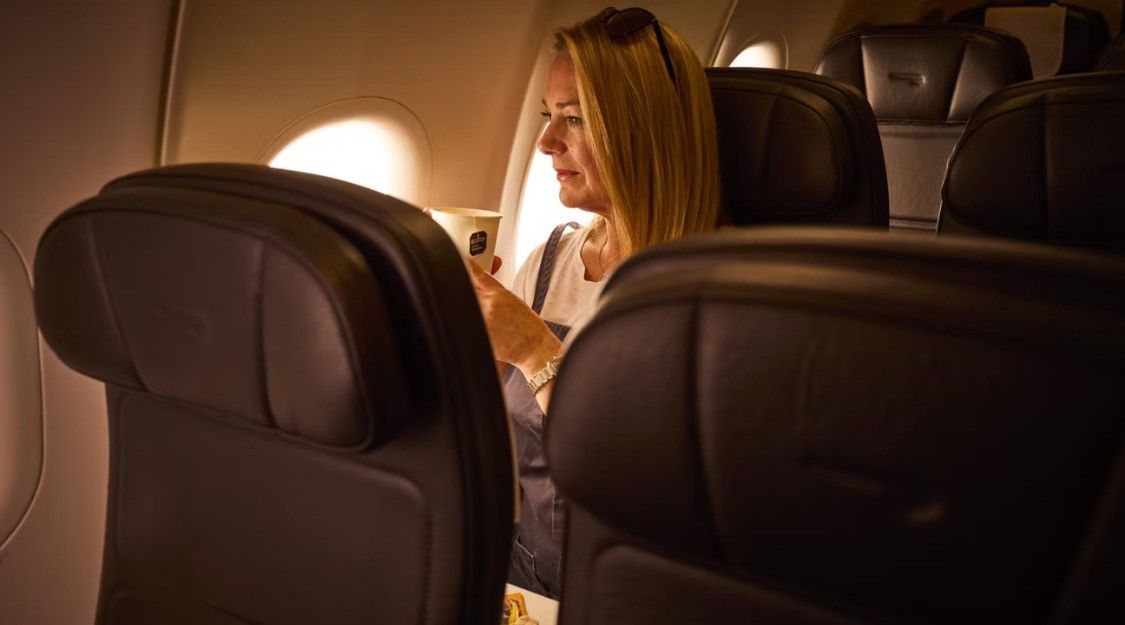
Euro Traveller is British Airways’ short-haul Economy cabin, covering flights across Europe and nearby destinations. The cabin layout is familiar if you’ve flown within Europe before, with rows of slimline seats arranged in a standard configuration. The focus here is efficiency. Boarding tends to be quick, the flights are shorter, and the experience is designed to get you from A to B comfortably without unnecessary extras.
It features a reasonable amount of seat space for short journeys, with adjustable headrests and in-seat power available on many aircraft. The cabin environment feels similar to other full-service European carriers, though without the frills associated with long-haul travel. Families receive extra care, such as priority boarding and allowances for pushchairs or car seats, which makes travelling with children a little easier.
Food operates through the Speedbird Café model. Instead of complimentary full meals, passengers can pre-order or purchase snacks and dishes created in partnership with well-known chefs. A small snack and water are typically included, while additional options might include sandwiches or other hot items, depending on the route and availability. BA does offer Wi-Fi on many aircraft, and passengers can access digital newspapers and magazines through onboard services, which helps fill the time on slightly longer European sectors.
Takeaway: Euro Traveller works best if you view it as a reliable way to travel around Europe with Avios. Comfort is adequate for the flight length, and the experience feels consistent across the network.
World Traveller (Long Haul)
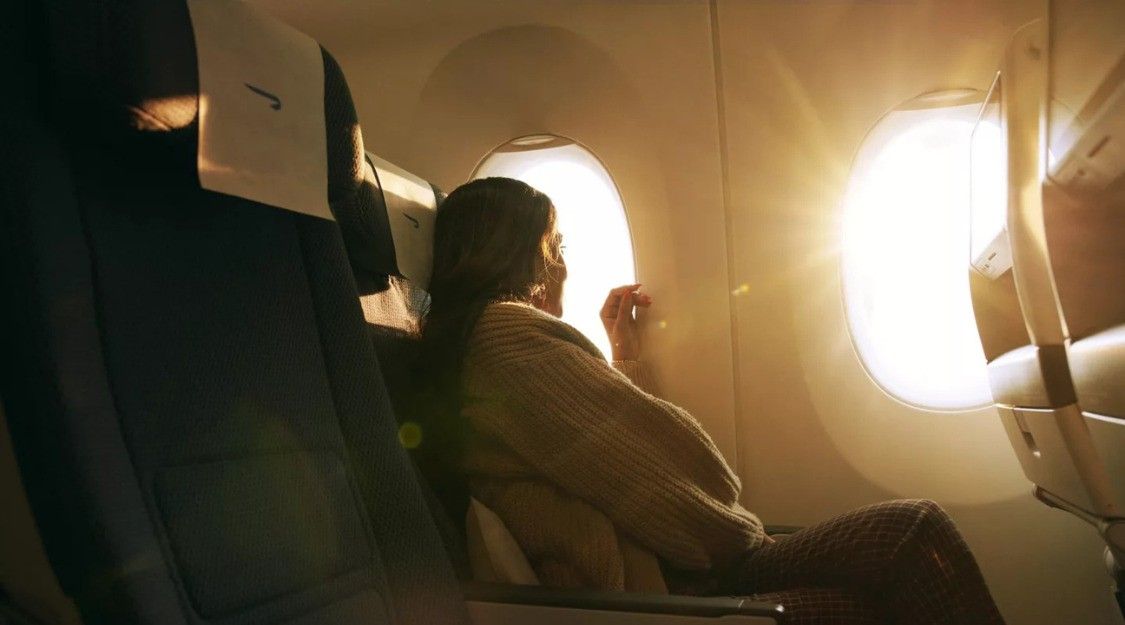
World Traveller is British Airways’ long-haul Economy cabin, with a few extras that make longer flights feel more manageable. The seating layout is different depending on the aircraft, usually arranged in configurations such as 3-3-3 or 3-4-3, and includes adjustable headrests, reclining seats, and personal entertainment screens. A few rows come with extra space or storage, which can make seat selection worth considering if comfort is a priority.
Long-haul Economy includes a more structured onboard service as well. Passengers receive a full meal shortly after departure, followed by snacks or a second meal depending on the flight length. Drinks, including alcoholic options, are part of the service, and the cabin crew often adds small touches, such as extra drinks or snacks.
Entertainment is a core part of the long-haul experience. Seat-back screens are loaded with films, television programmes, music, and games. The crew provides blankets and cushions to help passengers rest, and amenity kits are sometimes available on request, depending on the route. Connectivity is also progressing, with British Airways announcing plans to roll out free, high-speed Starlink Wi-Fi across its fleet starting in 2026.
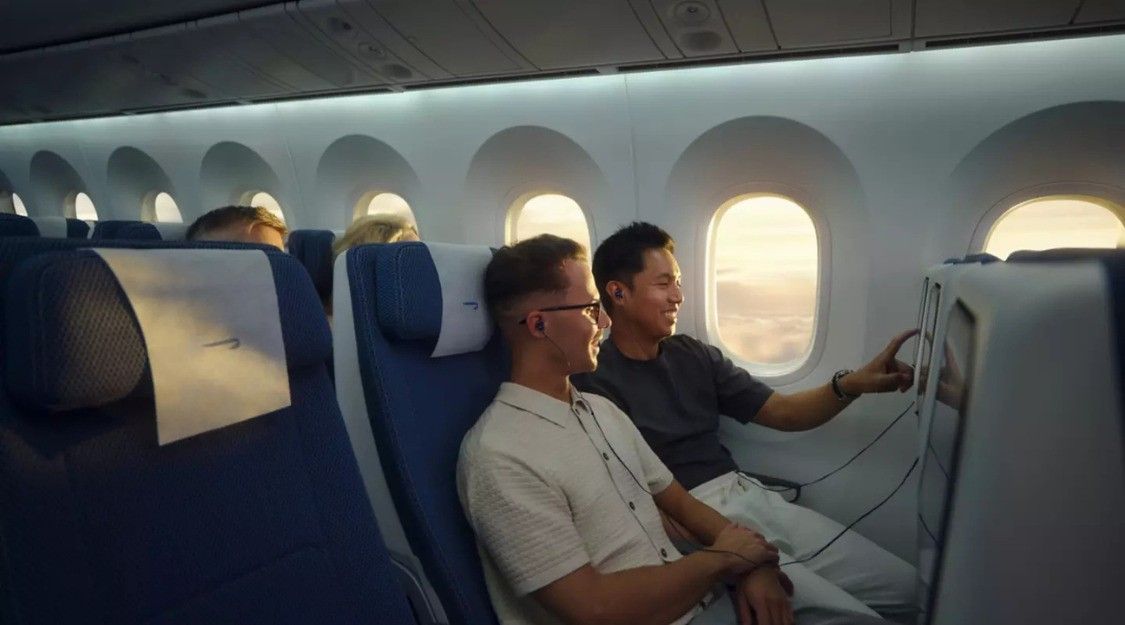
The Takeaway: World Traveller tends to hit that middle ground where the journey still feels comfortable enough without demanding a huge number of Avios. You get the basics that make a long flight manageable, which is why many travellers treat it as a practical way to explore BA’s long-haul network without over-analyse the redemption.
How BA Economy Reward Pricing Works
A lot of the booking decisions start to make more sense once you know the basic mechanics behind Avios redemptions. BA uses a structured system that combines distance, travel dates, and flexible cash options, which means two flights that look similar at first glance can require very different amounts of Avios. Here’s everything you need to know:
Avios Pricing:
Shorter flights within Europe typically require fewer Avios, which is why Economy redemptions can work well for city breaks or regional trips. Direct routes often give you better value because you avoid stacking multiple distance bands through connections.
Distance still matters on long-haul routes, but availability and cabin choice start to play a bigger role. Economy requires the lowest number of Avios compared to Premium Economy or Business, which makes it easier to find workable options when your dates are fixed.
Peak vs Off-Peak Pricing:
British Airways uses a peak and off-peak calendar that directly affects how many Avios you need. Off-peak dates require fewer points, while peak dates increase the Avios cost. Off-peak travel can feel like one of the easiest ways to reduce the price of a redemption without changing much else. This is especially useful if your schedule is flexible.
Peak dates usually align with busy travel periods such as school holidays, major events, or popular seasonal windows. Economy redemptions can still give you good value during peak periods because cash fares often rise at the same time, which helps offset the higher Avios requirement.
Reward Flight Saver Pricing:
Reward Flight Saver is one of the key reasons Economy redemptions work well for many travellers. Instead of unpredictable taxes and fees, Reward Flight Saver offers a more fixed pricing structure that keeps the cash portion relatively low and predictable.
When booking, you’ll often see multiple Reward Flight Saver options that let you adjust the balance between Avios and cash. You can choose to use more Avios and pay less cash, or reduce the Avios required by paying a slightly higher cash amount. The seat itself remains the same; you’re simply choosing how to split the cost.
This makes it easier to tailor bookings based on what you want to conserve. You can pay more cash if your Avios balance is running low or lean more heavily on your points if you want to minimise spending.
Avios and Cash Combinations:
You’ll come across different Avios and cash combinations during the BA flight booking process. You can use these options to fine-tune your redemption based on your priorities rather than following a fixed price. Some travellers prefer to use as little cash as possible, especially when travelling as a group or during peak periods. Others choose to reduce the Avios needed to save points for another trip.
There’s no single best option here; the right choice depends on your overall travel goals and how you plan to use your Avios balance long term.
When Economy Makes Sense
Economy often works best when your goal is simply to make the trip happen without overthinking the redemption. These are the situations where it tends to deliver strong value:
Travelling as a Family:
Booking multiple premium seats with Avios can be unrealistic. Economy reduces the points required per person, making it much easier to get everyone on the same flight. Pair that with a Companion Voucher or off-peak pricing, and you can stretch your balance much further.
Peak Travel Periods:
Cash fares usually rise just when flexibility disappears. Economy redemptions help keep costs predictable during busy travel seasons, so you can travel when you need to rather than chase availability or pay peak prices.
When You Want to Travel More Often:
Not everyone wants to save for years for a single aspirational flight. Some travellers prefer spreading their Avios across several trips throughout the year, and Economy makes that possible. Lower Avios pricing means you can book more frequently, whether that’s a mix of European breaks and occasional long-haul journeys. You can take advantage of opportunities as they arise, adjust plans more easily, and maintain momentum in how you use your Avios balance.
Short European Breaks:
Economy allows you to use smaller Avios balances without questioning your decision for spontaneous weekend trips or quick getaways. Flight times are relatively short, comfort differences between cabins feel less dramatic, and Reward Flight Saver keeps cash costs low and predictable. You might not need lounge access or a blocked middle seat on a two-hour flight.
These redemptions also work well when cash fares spike close to departure. Instead of paying high last-minute prices, you can use Avios to lock in a flight without the usual financial sting.
Long-haul Routes Where Cash Fares Run High:
Economy can be great for long-haul routes where cash prices tend to stay high. There’s usually strong demand for popular destinations such as New York, Dubai, Tokyo, Singapore, and Los Angeles, which pushes cash fares upward during busy periods.
Using Avios in Economy on these routes lets you access long-haul travel without the larger balance required for higher cabins. For example, routes like London to New York or Dubai often have frequent departures and relatively consistent reward availability. On routes such as Tokyo or Singapore, locking in Economy early can also create flexibility later. Some travellers secure an Economy seat first, then monitor availability for a potential upgrade to Premium Economy if space opens up closer to departure.
When Economy Might Not Make Sense
Economy can be a smart option, but it’s not always the right one. Here are the scenarios when it might not work for you:
When Cash Fares are Unusually Low:
If you find a really cheap ticket, paying cash may give you better value than using points. A quick comparison between Avios pricing and real-time fares can help you decide.
Long Overnight Flights Where Rest Matters:
Comfort is more important on overnight routes. If arriving well-rested is a priority, upgrading to Premium Economy or Business may feel worth the extra Avios, especially on longer sectors.
How to Save Avios in BA Economy
Economy can be of great value when you combine a few simple levers: flexible dates, Reward Flight Saver options, Companion Vouchers, and a bit of discipline at checkout. None of this is complicated, but it does require intention. Small adjustments can shave thousands of Avios off a booking.
Be Flexible with Your Dates:
If you can move your travel dates even slightly, off-peak pricing is one of the easiest wins. BA publishes a peak and off-peak calendar with a considerable Avios difference. A shift of a day or two can lower the points required without changing the route, the aircraft, or the experience. Mid-week departures often show better availability, especially on long-haul routes.
Full flexibility may not be possible for families tied to school holidays. Even then, checking the days before or after or alternative airports can make a difference. London has multiple departure points, and nearby destinations sometimes open up more availability.
If you have flexibility, use it. Off-peak Economy redemptions are often where Avios give the best value.
Use Your Companion Voucher Strategically:
The free British Airways American Express credit card comes with an Economy-only Companion Voucher, which might not sound exciting until you realise how useful it becomes when school holiday pricing kicks in. Halving the Avios needed for two Economy seats can make the difference between booking the trip and putting it off.
The Premium Plus voucher that comes with the fee-paying BA Amex credit card makes you eligible to redeem higher cabins, which is why many people instinctively save it for Business or First. That makes sense in theory. However, availability doesn’t always cooperate. Fixed dates, family travel, or busy seasons can make premium seats frustratingly hard to find. Using the voucher in Economy can sometimes be the smarter move, especially if your priority is actually taking the trip rather than waiting for the perfect redemption that may never appear.
Families often understand this best. Trying to secure multiple Business Class reward seats during school holidays can feel like chasing a rare sighting. Economy availability tends to be more realistic, which means the voucher delivers real value instead of becoming something you keep saving “for later.”
A simple rule that works well: use your voucher where availability exists and your dates leave little room for flexibility. More often than not, that leads you back to Economy, and that’s perfectly fine.
Avoiding Unnecessary Add-Ons:
Saving Avios is not only about redemption pricing. It’s also about what happens after you click through to the payment page. Seat selection fees can quickly add up, especially for families. If you hold BA status, seat selection may be included at certain points before departure. If not, consider whether paying for seats in advance is truly necessary. Free allocation at check-in works perfectly well for many routes.
Baggage is another factor. Economy fares vary, with some including checked luggage and others limited to hand baggage. Make sure the fare type matches what you actually need. Paying for bags separately can sometimes cost more than choosing the correct bundle at the outset.
Finally, watch the upsells. Extra luggage, paid meals on short-haul, lounge access, or other add-ons can increase the total. None of these are inherently wrong, but they should be deliberate choices rather than default clicks.
The Upgrade Strategy: Using Economy as a Starting Point
One of the biggest mindset shifts with BA Economy is to stop treating it as the final cabin choice. Many experienced Avios users book Economy first and use it as a flexible foundation, upgrading later if better availability appears.
Reward seats open and disappear constantly. Waiting for the perfect premium cabin from the start can mean missing out entirely. Securing Economy early gives you certainty first, flexibility second.
Here’s how to approach it:
Book Economy First to Secure the Flight:
If your travel dates are fixed or you spot good availability:
- Lock in the Economy seat early.
- Treat it as a placeholder rather than a permanent decision.
- Remove the pressure of waiting for premium availability.
Once the flight is secured, set Reward Flight Finder (RFF) Alerts and watch for upgrades without worrying about losing the route or timing.
Understand the One-Cabin Upgrade Rule:
British Airways upgrades generally follow a one-cabin step:
- Economy to Premium Economy (World Traveller Plus)
- Premium Economy to Business (Club World)
This means:
- Booking Economy keeps the upgrade path open.
- You only need reward availability in the next cabin up.
- Incremental upgrades often feel more achievable than aiming straight for Business.
Target Premium Economy as the Realistic Middle Spot:
Instead of focusing only on Business Class:
- Look for World Traveller Plus availability as your main upgrade target.
- The jump in comfort can feel considerable compared to Economy.
- Availability tends to be stronger than Business on many routes.
Focus Upgrades Where They Matter Most:
Not every flight needs the same cabin. A common strategy:
- Stay in Economy in daytime sectors where sleep is less important.
- Target overnight flights for upgrades, especially on the return journey.
- Prioritise comfort where it has the biggest impact on arrival.

How to Book BA Economy Flights with Avios
The key is to approach it methodically rather than jumping straight into a single flight search. A few small decisions early on can make a difference to how many Avios you use and how flexible your booking feels later.
Here’s a practical workflow that keeps things simple.
Start Broad and Search Availability First:
BA releases a guaranteed number of reward seats on every flight (12-14) when the schedule first opens 355 days ahead, which is why you’ll often see availability appear far in advance. If your dates are flexible and you’re prepared to book early, your chances of locking in the flights you want go up a lot.
- Use tools like RFF's Worldwide Map or Availability Calendar to scan routes and months quickly.
- Look for patterns rather than individual flights. Some destinations consistently show stronger availability.
- If your plans allow, choose destinations or travel windows where reward seats appear more regularly.
Narrow Down by Dates and Look for Off-peak Options:
Once you’ve identified possible routes:
- Check nearby dates rather than searching only one specific day.
- Compare peak and off-peak pricing to see where Avios costs drop.
- Mid-week departures often show better availability and lower pricing.
Apply Your Companion Voucher early:
If you hold a Companion Voucher:
- Apply it during the booking process rather than waiting until the end.
- Compare the Avios required with and without the voucher to confirm the saving.
- For peak periods or family travel, this can dramatically reduce the total Avios needed.
Choose the right Reward Flight Saver Option:
At checkout, you’ll usually see several Avios and cash combinations for the same seat.
- Decide whether you want to conserve Avios or minimise cash spending.
- The seat remains the same; only the balance changes.
- Many travellers lean toward the option that aligns with their broader travel plans rather than chasing a single “best” combination.
Confirm the Booking and Keep Upgrade Flexibility:
Once you’ve selected your flight:
- Review baggage allowances and fare details before payment.
- Avoid unnecessary add-ons unless they dramatically improve the experience.
- Finalise the booking once you’re comfortable with the Avios and cash balance.
Set Upgrade Alerts After Booking:
After your booking is confirmed:
- Monitor availability in Premium Economy or higher cabins.
- Set RFF Alerts where possible so you don’t have to check constantly.
- Be ready to upgrade if reward space opens closer to departure.
Tips to Improve the Economy Experience
Economy may be about value, but that doesn’t mean you have to accept a bland experience. A few small choices before departure can improve the journey. None of these require a major jump in Avios. They simply involve paying attention to the details.
Be Deliberate with Seat Selection:
Not all Economy seats feel the same. If comfort matters to you, it’s worth taking a few minutes to check the seat map before departure.
- Exit rows and bulkhead seats often come with extra legroom, though fees usually apply.
- Window seats can feel more private on long-haul flights, if you plan to rest.
- Travelling as a pair? Some aircraft layouts make certain sections feel quieter or less busy.
Pay Attention to Aircraft Layout:
Aircraft type can subtly shape your experience. Seat configurations vary across the fleet, and some layouts simply feel more spacious than others.
On certain aircraft, smaller cabin sections can feel calmer. A good example is the upper deck of the A380, which many regular travellers favour. The 2-4-2 layout upstairs creates a more intimate feel compared to the larger downstairs sections, and side storage bins add a bit of extra personal space. It’s not a different cabin class, but it can feel like one if you choose well.
Consider Lounge Access Strategically:
Economy tickets do not automatically include lounge access, but there are ways to add it if it matters to you. If you hold BA Silver or Gold status, lounge access is included with your membership, even when flying Economy. For others, paid lounge access can sometimes be purchased separately.
Whether it’s worth it depends on timing. It may not add much for a short flight with minimal airport time, but for a long-haul departure with a long layover, a quieter space, food, and showers can shift the tone of the journey before you even board.
Final Verdict
Treat Economy as the Baseline for Short-haul Travel
The difference between Euro Traveller and Club Europe largely lies in airport perks and service extras rather than a dramatic change in the onboard experience. This means the additional Avios required for Club Europe only make sense if lounge access, flexibility, or priority services are especially important to them. Otherwise, Economy is the best way to reach your destination while keeping your Avios balance intact for longer journeys.
- Passenger1
Decide How Much Comfort Matters for Long-haul Travel
You’ll need to do a more personal calculation here. Economy can feel perfectly reasonable on flights where you expect to stay awake or remain active during the journey. On other flights, especially those where rest is important, you’ll have to be more strategic about your cabin choice.
Some travellers approach this by mixing cabins rather than committing entirely to one. For example, choosing Economy on a daytime outbound flight while upgrading the return leg, where comfort is more valuable. Thinking about each sector individually helps balance Avios cost against how you want to feel when you arrive.
Ultimately, Economy isn’t about settling for less. It’s about knowing when it’s the smartest way to get where you want to go without overcomplicating the journey. It works best when you start treating it as a choice that helps you travel more often while using your Avios with intention.