
If you’ve ever paused at a British Airways reward booking and asked yourself whether an Avios splurge really makes sense, you’re not alone. The jump from Economy to Business can feel massive in terms of Avios, but the experience onboard is very different too. That trade-off can feel like a tug-of-war between saving your Avios and flying in comfort.
We’re here to make that decision easier. In this guide, we’re breaking down the key differences between the BA long-haul Economy and Business Class and whether the higher Avios cost is worth it.
What You Get in Each Cabin Class
To understand how each experience is different, let's look at each element of BA’s long-haul Economy (World Traveller) and Business Class (Club World) side by side, starting with:
Seat and Comfort:
Economy:
- You're in a narrower seat with a modest recline that helps you relax but doesn't really change the fact that you're upright for most of the flight. It's fine when you're watching a film or eating, but it's not built for comfort.
- The 3-4-3 layout on wide-body aircraft is great for getting lots of people across an ocean, but it means you're closer to your neighbours and feel the "shared cabin" reality more acutely. Think squished elbows, stiff armrests, and the serious choreography of trying not to climb over someone as you get up from your seat.
- You’ll have the basic comforts of a flight (pillow, blanket, etc.), but it’s not designed for sleeping. People have walked on the moon, so you can absolutely doze – it's possible. But don't expect proper deep sleep. The best you can manage is a fragmented experience: a half-hour here, another there, then you wake up stiff and slightly offended by your own neck. It gets you there, but you'll land knowing you've travelled.
- The good news is you're not relying on your imagination or a communal screen to get you through the ordeal. There’s a personal entertainment screen at every seat, which becomes the main coping mechanism. You can catch up on films, shows, or anything to make the hours pass a little faster.
Business Class
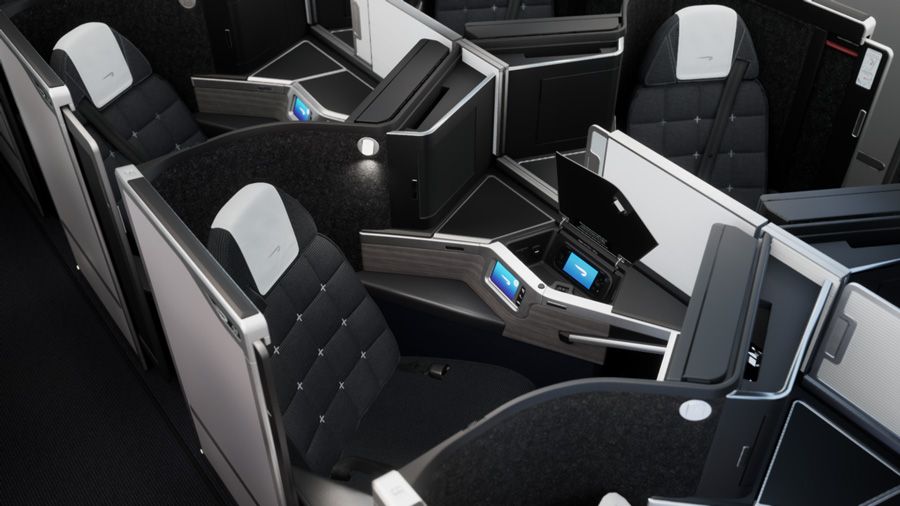
- This is the defining difference. The British Airways Business Class seats are designed for rest and space and can turn into fully flat beds (around 183cm / 6ft long), which means you can actually sleep instead of "resting your eyes" while your body stays folded.
- On aircraft with the Club Suite, you’ll have an even more private experience with a sliding door, direct aisle access, more storage, and a bigger screen.
- While the seats get most of the limelight, there's more to Business Class: a spacious cabin with plenty of personal space. It gives you the feeling of having room to exist to be yourself without constantly negotiating for it. And that means being able to fall asleep much more easily.
Food and Drink
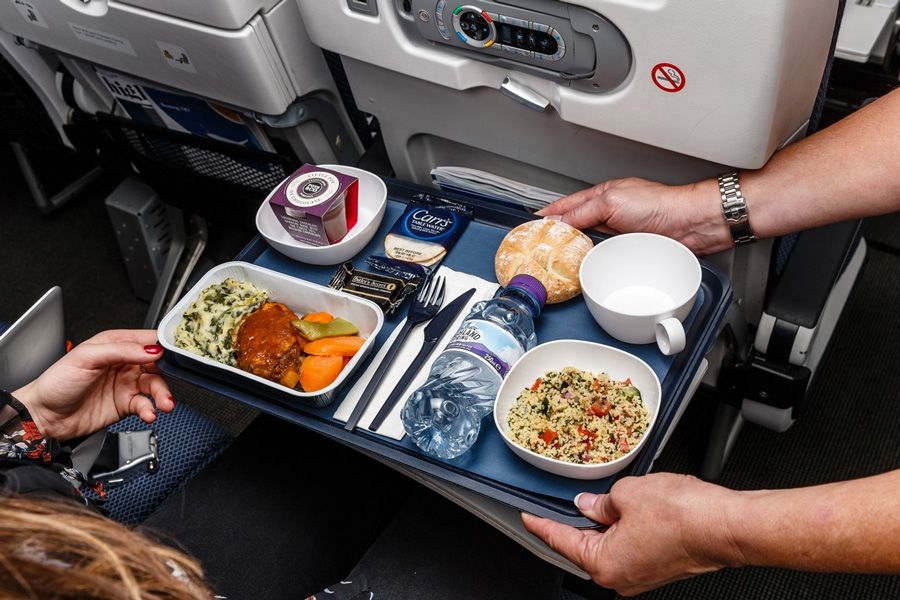
Economy:
- British Airways provides complimentary meals and drinks on long-haul routes, with service structured around set meal times depending on the flight schedule. You'll typically receive a main meal service, followed later in the flight by snacks or a lighter second service, along with soft drinks, tea, coffee, and alcoholic options.
Business Class:
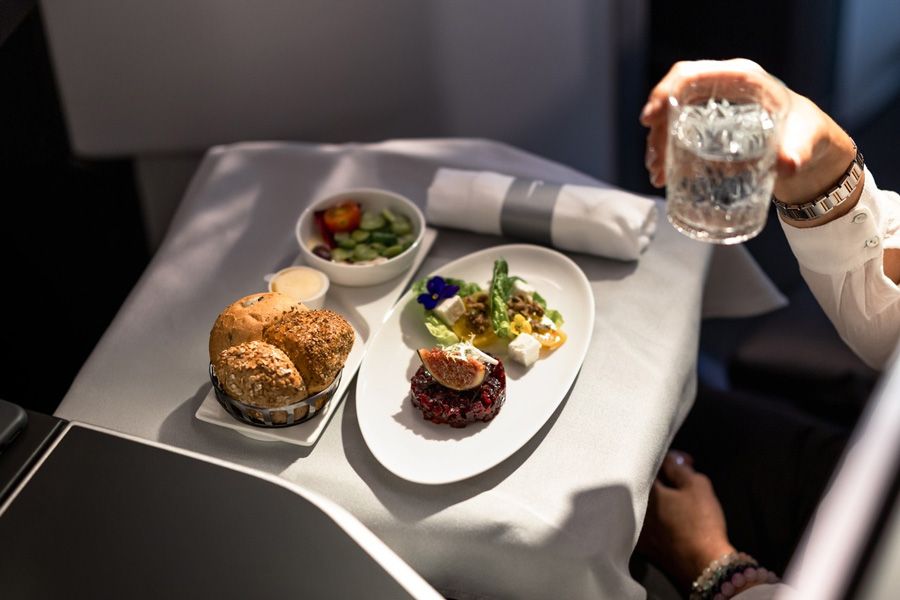
- Expect a much more refined dining experience, with multi-course meals served on proper tableware and menus that change seasonally. You'll usually have a choice of starters, mains, and desserts, paired with a curated wine list and premium spirits.
- BA also offers a "Goodnight Service" or a lighter dining option on many long-haul routes, which means you can eat quickly and get to sleep earlier.
Airport Experience
Economy:
- Economy passengers use standard check-in desks and board in their allocated groups, with the airport experience largely depending on the time of day and the terminal's level of activity.
- Lounge access isn't included unless you hold British Airways status or a qualifying credit card, so most of the pre-flight wait is spent in the main departure areas alongside other travellers.
Business Class:
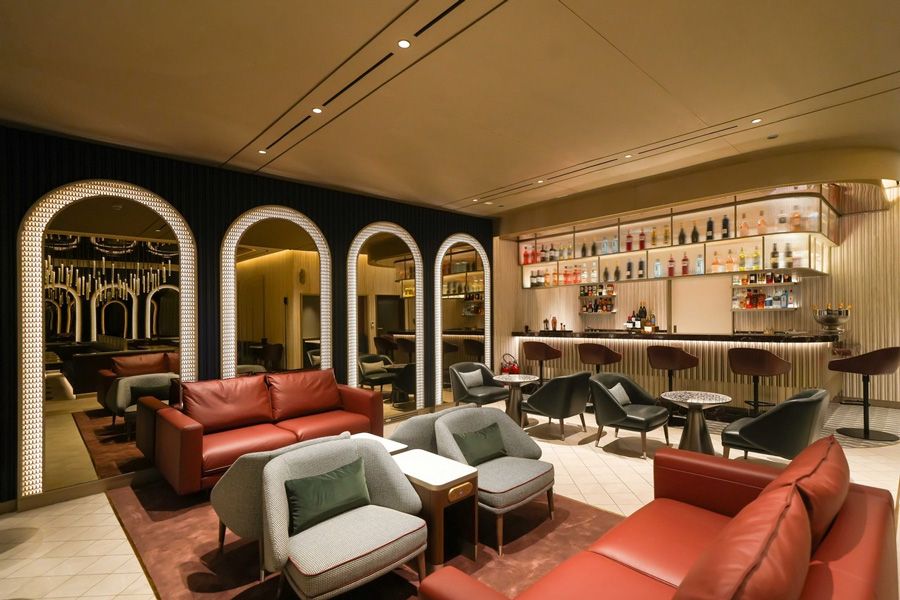
- Expect dedicated check-in desks, fast-track security (where available), and priority boarding.
- You'll also have access to British Airways or partner lounges worldwide with quieter spaces with food, drinks, Wi-Fi, and, often, showers before departure.
- Business Class passengers can also use arrival lounges after landing at certain airports, including London Heathrow, perfect for a quick shower or breakfast before heading on with your day.
Baggage Allowance
Economy:
- Economy fares include one checked bag, with weight limits varying by ticket type, and cabin baggage allowances that vary slightly by route. It's enough for most trips, but flexibility is limited if you're carrying heavier luggage or additional items.
Business Class:
- You’ll get a more generous baggage allowance, which usually includes two checked bags with higher combined weight limits, plus priority baggage handling upon arrival.
In-Flight Entertainment and Amenities
Economy:
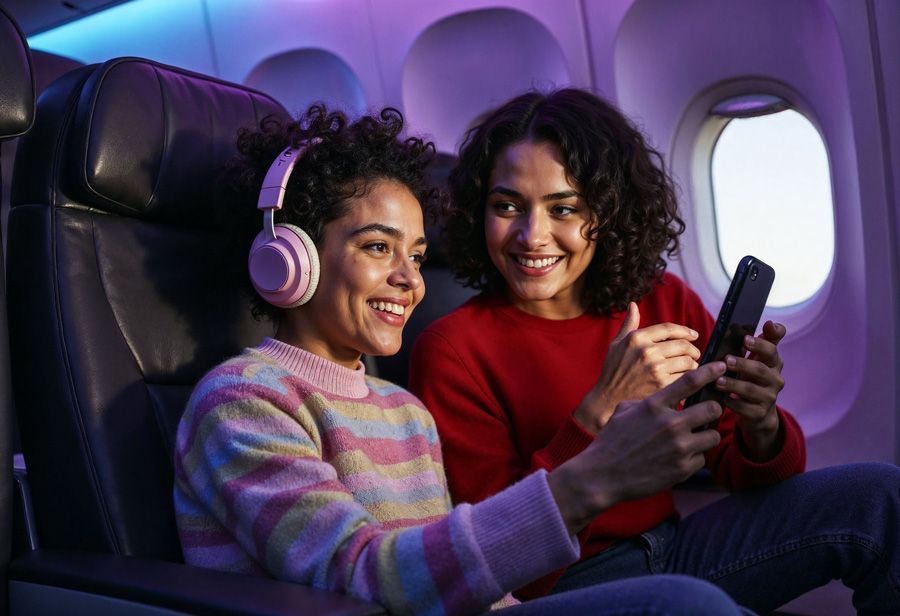
- Economy passengers have full access to British Airways' in-flight entertainment system, with a personal screen loaded with films, TV shows, music, and games.
- Headphones are provided, along with basic bedding items such as a pillow and blanket on long-haul routes.
Business Class:
- You’ll have larger entertainment screens, especially on Club Suite aircraft, and higher-quality, noise-cancelling headphones.
- Long-haul flights also include premium bedding from The White Company, along with a well-stocked amenity kit, making it easier to relax, sleep, or settle in for an extended flight in comfort.
Sleep and Rest
Economy:
- Seats come with limited recline, and while pillows and blankets are usually provided on long-haul flights, space is tight, and sleeping positions are restricted. For shorter overnight sectors, it can be manageable, but proper rest is difficult on longer routes.
Business Class:
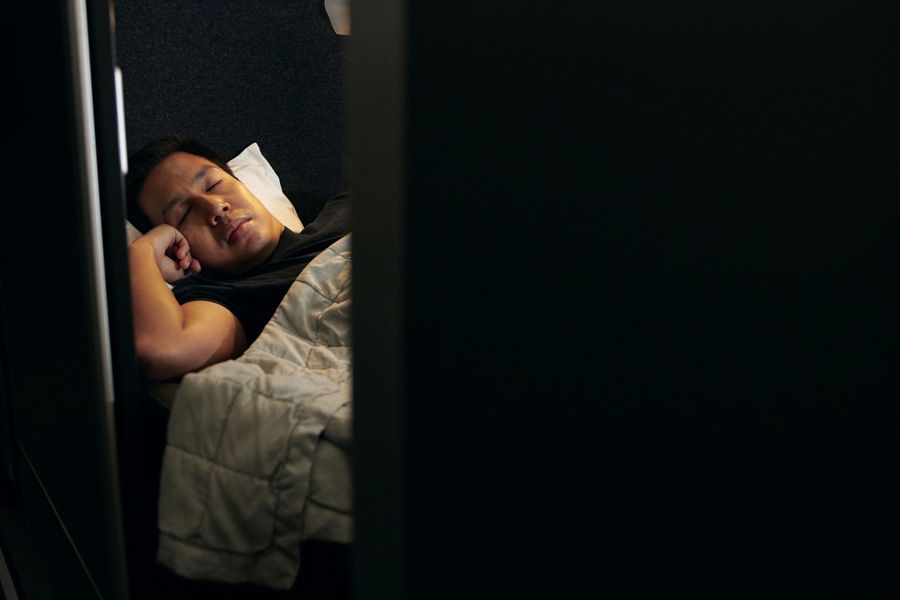
- British Airways Business Class seats are genuinely sleep-focused. They convert into fully flat beds, and on aircraft fitted with the newer Club Suite, the beds are even longer.
- The smaller cabin also creates a calmer environment that supports uninterrupted sleep.
To pull everything together, here’s how the two cabins stack up side-by-side.
| Feature | Economy | Business |
| Seat space | Basic, upright | Spacious, fully flat (sleep possible) |
| Privacy | None | High, especially in Club Suites |
| Dining | Standard meal service | Multi-course premium dining |
| Lounge access | No | Yes |
| Priority access | No | Yes |
| Baggage allowance | Limited | Generous |
| Entertainment | Standard screens | Larger screens and enhanced setup |
Here’s a rule of thumb you can keep in mind when you’re weighing Business Class versus Economy: Business Class is usually worth considering when:
- The flight is overnight
- The journey is 7 hours or longer
- You need to arrive rested or ready to be productive
- You’re travelling for a special occasion or once-in-a-while trip
- Comfort matters more to you than the Avios price difference
Typical Avios Costs for Long-Haul Reward Flights
To put things into context, there’s a major gap in Avios pricing between Economy and Business Class on long-haul routes.
Economy: On a route like London to New York, an off-peak return BA rewards flight in Economy usually costs around 55,000 Avios plus taxes and fees, or roughly 66,000 Avios on peak dates. This makes Economy the most accessible way to use Avios for long-haul travel.
Business: On the same route, Business Class is much more expensive. Off-peak returns are usually around 176,000 Avios, increasing to roughly 198,000 Avios on peak dates, again plus taxes and fees.
What This Means:

- Economy often costs around a third of Business Class on long-haul routes. It’s a solid option if you’re focused purely on getting from A to B while keeping Avios spend low.
- Business Class usually costs around three times as many Avios, depending on route and timing. However, those extra points buy a completely different journey, better rest, better service, and a far less tiring arrival. This is where the extra cost starts to justify itself, especially on longer or overnight flights.
- Essentially, airlines value premium cabins. Business Class seats are more limited, deliver more space and service, and generate much higher cash fares, so the Avios cost is set to reflect that premium positioning. You're paying for priority treatment, lounge access, flat beds and a smoother end-to-end journey. Airlines also deliberately price cabins non-linearly, meaning Business Class is priced to match perceived value rather than seat size alone.
Other Points Worth Keeping in Mind
- Avios pricing doesn't stay the same. Peak and off-peak dates can push redemption costs up or down in both Economy and Business Class, which is why flexibility matters.
- British Airways' Reward Flight Saver structure also helps here. The cash portion is capped in many markets, making it easier to compare cabins based mainly on Avios rather than unpredictable fees.
- Availability is another factor. While BA guarantees reward seats on every flight, Business Class availability is far more limited than Economy, especially on popular long-haul routes, so securing those seats often requires booking early or using alerts.
Why Business Class Is Better Avios Value:
Redemption
Even though Business Class costs far more Avios upfront, it often delivers stronger value per point. Economy redemptions normally cost around 0.8-1.2p per Avios. Business Class redemptions on long-haul routes with high cash fares regularly push closer to 1.2-2p per Avios. This means each Avios you spend in Business Class is usually "worth more" than the ones spent in Economy.
Cash Price vs Avios Cost Is the Key Comparison
Cash fares for long-haul Business Class can be five times higher than Economy, yet the Avios cost is usually only around two to three times higher. That imbalance is what creates outsized value. When cash prices spike during peak seasons, Business Class redemptions save a lot more money per Avios used.
Things To Watch Out For

Taxes and Surcharges
Reward flights aren't completely "free", and this matters more in premium cabins. Business Class redemptions usually incur higher taxes and carrier surcharges than Economy, so you'll still need to pay a few hundred pounds in cash. That can reduce the headline savings, even if the Avios value per point looks excellent on paper. So, it's always worth checking the total cash outlay before committing.
Availability
It’s especially important when booking BA rewards flights in Business Class, as premium seats are scarcer than in Economy. While British Airways guarantees reward seats on every flight, premium cabin availability can be tight on popular routes and dates. If there's no Business Class availability when you want to travel, you may need to adjust your dates, book far in advance, or fall back on Economy and save your Avios for another trip.
Here’s a quick value comparison:
| Metric | Long-haul Economy | Long-haul Business |
| Avios required | Lower | Higher |
| Value per Avios | 0.8 – 1.2p | 1.2 – 2p (or higher) |
| Cash saved (vs ticket) | Moderate | Large |
| Availability | Easier | Harder |
| Overall Value | Good for basics | Often best use of Avios |
So, Business Class Versus Economy: What’s the Verdict?
Because of the trade-offs, a common approach is to be selective. Many travellers reserve their Avios for long-haul Business Class flights, where the value per point is strongest, and use cash for Economy when fares are cheap. At the same time, Avios can still work well for short-haul Economy flights, where cash prices can be surprisingly high relative to the Avios required. Used this way, Avios stretch further across both premium and practical trips.
If your goal is to maximise the Avios value, long-haul Business Class reward flights often come out ahead of Economy when you look at value per Avios point. Even though Business Class requires a lot more Avios upfront, each point usually delivers more cash value, meaning you're getting more "flight" for every Avios you spend compared with long-haul Economy redemptions.
That said, value isn't universal. Taxes and carrier surcharges, peak versus off-peak dates, route popularity, and aircraft type can all shift the balance. This is why it's always worth comparing specific Economy and Business Class reward options before booking. Tools like the BA holiday finder can be useful for initial inspiration, but they don't always show the full picture when it comes to reward availability or aircraft type.
However, you can use Reward Flight Finder (RFF) to get a complete view. Its powerful Search tools let you compare Avios costs across cabins and dates, while Alerts notify you the moment new reward seats are released on your preferred routes. And if flying in the newer British Airways Club Suite matters to you, the Club Suite Filter helps you avoid older Club World travel and lock in the best Business Class experience available.
In short, there’s no single right answer. The best choice depends on the trip, the timing, and how much you value comfort versus keeping your Avios balance healthy. Know your priorities, do a quick comparison, and you’ll usually know pretty quickly which side of the tug of war you’re on this time.