We get it, planning a holiday is stressful. There are a million things that could go wrong, and using the wrong debit card is one of the easiest ways to lose money without realising it. There’s nothing like a bit of innocent shopping and getting stung by shady foreign transaction fees. That’s why many travellers now turn to dedicated travel cards that help save money, hassle, and the embarrassment of making a scene at the ATM.
We get it, planning a holiday is stressful. There are a million things that could go wrong, and using the wrong debit card is one of the easiest ways to lose money without realising it. There’s nothing like a bit of innocent shopping and getting stung by shady foreign transaction fees. That’s why many travellers now turn to dedicated travel cards that help save money, hassle, and the embarrassment of making a scene at the ATM.
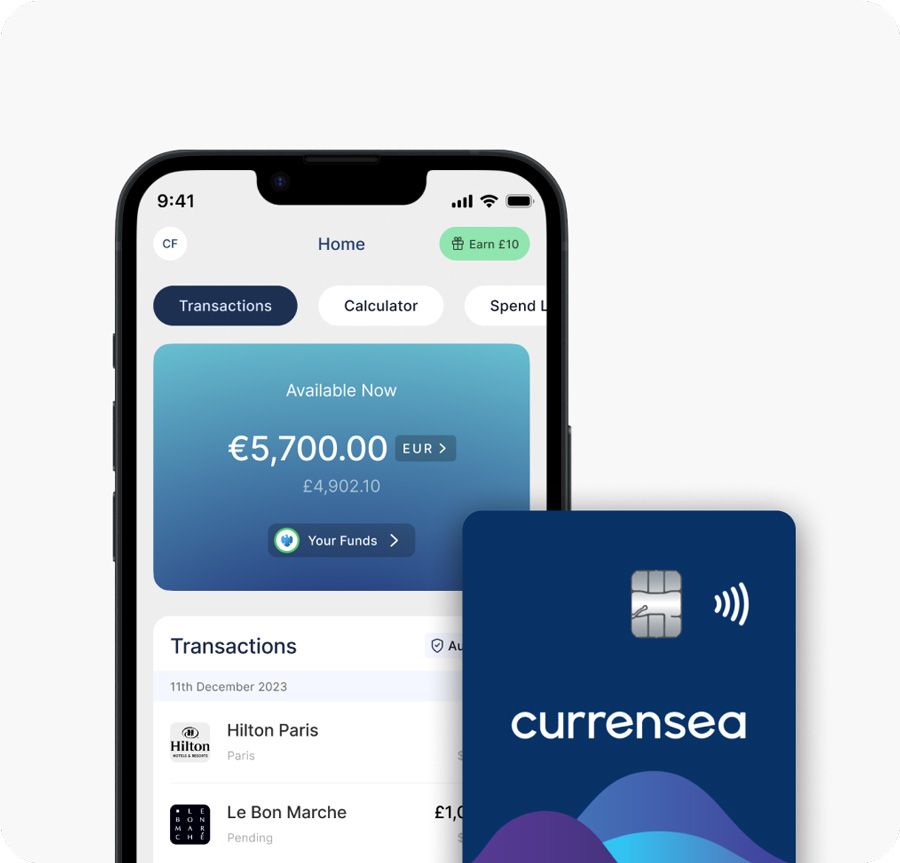
Link the card to your UK current account using Open Banking, which allows Currensea to securely check your available balance and set up a direct debit. The key advantage here is that nothing changes about your everyday banking: you don’t need to switch providers, open a new account, or manage separate balances just for travel spending.
Once connected, simply use the card abroad or online anywhere Mastercard is accepted. Currensea handles the currency conversion behind the scenes. Instead of preloading funds or juggling multiple wallets, the amount you spend is taken from your normal bank account a few days later via direct debit, which keeps things simple and removes the need to predict how much foreign currency you’ll need in advance.
Currensea doesn’t try to reinvent how you pay. Because it runs on the Mastercard network, it’s accepted almost everywhere you would normally use a debit card abroad. That matters because even the best travel money card is only useful if you can rely on it wherever you go. Plus, day-to-day usability also feels familiar. Chip & PIN and contactless payments work exactly as you’d expect, meaning there’s no new system to learn or extra steps to remember when you’re trying to pay quickly while travelling.
Cash isn’t completely dead when travelling, and you’re bound to run into situations where you need to make a quick run to the ATM. Currensea accounts for that. You’ll get a monthly allowance for fee-free ATM withdrawals abroad (depending on your plan), after which transparent fees apply. That’s a great perk for travellers who still need local currency for smaller purchases, tipping, or destinations where card acceptance varies. The exchange rates and lower markups also tend to beat the experience of using a standard bank debit card abroad, especially if your bank adds additional withdrawal charges on top of FX fees.
Uses Your Existing Bank Account:
Perhaps the most underrated benefit is that nothing changes about your main banking setup. Currensea works with a range of supported UK banks and building societies, so you can keep using your existing account rather than moving money into a separate wallet or opening a new one. This also removes the need to preload funds before a trip, so you don’t have to guess how much foreign currency you’ll need, and the torture of sticking to it. Instead, everything happens automatically in the background.
It doesn’t replace your bank account. It sits on top of it and complements your bank account. That’s also why it won’t directly earn you rewards, but if you’re thinking long-term, saving on FX fees can free up cash for British Airways Avios collecting elsewhere, or help fund future Avios holidays in a more roundabout (but very real) way.
Occasional travellers who want easy plus cheap FX:
It’s best for occasional travellers. If you travel a few times a year and want a card that works, this is the low-effort fix.
Families (extra cards available):
The “same account, multiple cards” idea is practical for shared travel spending, as it reduces the panic of having one person hold all the payment power.
There’s no one-size-fits-all in life, and to think that a card would solve all your payment problems is the first thing you should chuck out of your mind before you pack your bags. The Currensea card ticks a lot of boxes, but it won’t solve all your needs. With that, here are some potential drawbacks of the card you’ll need to keep in mind:
FX fee on the free plan (0.5%)
It’s low, but it’s not zero, and if you’re already on a 0% FX debit card, you may not feel much difference.
No rewards or points
If you want points, this isn’t where you’ll get them. It’s about savings and simplicity, not earning.
UK residents and supported banks only
You need a UK current account with a supported provider. It also isn’t designed to replace challenger bank accounts; it’s designed to improve the “high-street debit card abroad” problem.
Quick Comparison
Here’s a quick comparison of Currensea against other high-street debit cards and credit cards:
Card
FX Fee
Needs new account?
Currensea
0–0.5%
No
High-street debit
~3%
No
Monzo / Starling
0%
Yes
Credit Card
0% (sometimes)
Yes
Is Currensea the Right Card For You?
If you’re like most UK travellers planning Avios holidays in 2026, then Currensea is an easy “yes.” For people who want an easy way to spend abroad without worrying about hidden fees or complicated setups, Currensea offers a simple solution. You use it like a normal debit card overseas or online, while the currency conversion happens automatically in the background. Your spending is then taken from your bank account in pounds a few days later, removing the need to manage separate balances or open a new account just for travel.
Just keep expectations realistic: it won’t earn points, it’s not completely fee-free, and you’ll want to watch the ATM allowance if you’re a heavy cash user. But as a simple, reliable travel money card for 2026, it does exactly what it’s meant to do, and for a lot of people, that’s what makes it a contender for best travel money card status in the first place.
Affiliate Disclosure
Some links on this page are affiliate links. This means we may earn a commission if you sign up for Currensea through our link, at no extra cost to you. Currensea has not influenced our editorial content, and we only recommend tools and services we believe provide genuine value to Avios collectors and frequent travellers.
Link the card to your UK current account using Open Banking, which allows Currensea to securely check your available balance and set up a direct debit. The key advantage here is that nothing changes about your everyday banking: you don’t need to switch providers, open a new account, or manage separate balances just for travel spending.
Once connected, simply use the card abroad or online anywhere Mastercard is accepted. Currensea handles the currency conversion behind the scenes. Instead of preloading funds or juggling multiple wallets, the amount you spend is taken from your normal bank account a few days later via direct debit, which keeps things simple and removes the need to predict how much foreign currency you’ll need in advance.
Currensea doesn’t try to reinvent how you pay. Because it runs on the Mastercard network, it’s accepted almost everywhere you would normally use a debit card abroad. That matters because even the best travel money card is only useful if you can rely on it wherever you go. Plus, day-to-day usability also feels familiar. Chip & PIN and contactless payments work exactly as you’d expect, meaning there’s no new system to learn or extra steps to remember when you’re trying to pay quickly while travelling.
Cash isn’t completely dead when travelling, and you’re bound to run into situations where you need to make a quick run to the ATM. Currensea accounts for that. You’ll get a monthly allowance for fee-free ATM withdrawals abroad (depending on your plan), after which transparent fees apply. That’s a great perk for travellers who still need local currency for smaller purchases, tipping, or destinations where card acceptance varies. The exchange rates and lower markups also tend to beat the experience of using a standard bank debit card abroad, especially if your bank adds additional withdrawal charges on top of FX fees.
Uses Your Existing Bank Account:
Perhaps the most underrated benefit is that nothing changes about your main banking setup. Currensea works with a range of supported UK banks and building societies, so you can keep using your existing account rather than moving money into a separate wallet or opening a new one. This also removes the need to preload funds before a trip, so you don’t have to guess how much foreign currency you’ll need, and the torture of sticking to it. Instead, everything happens automatically in the background.
It doesn’t replace your bank account. It sits on top of it and complements your bank account. That’s also why it won’t directly earn you rewards, but if you’re thinking long-term, saving on FX fees can free up cash for British Airways Avios collecting elsewhere, or help fund future Avios holidays in a more roundabout (but very real) way.
Occasional travellers who want easy plus cheap FX:
It’s best for occasional travellers. If you travel a few times a year and want a card that works, this is the low-effort fix.
Families (extra cards available):
The “same account, multiple cards” idea is practical for shared travel spending, as it reduces the panic of having one person hold all the payment power.
There’s no one-size-fits-all in life, and to think that a card would solve all your payment problems is the first thing you should chuck out of your mind before you pack your bags. The Currensea card ticks a lot of boxes, but it won’t solve all your needs. With that, here are some potential drawbacks of the card you’ll need to keep in mind:
FX fee on the free plan (0.5%)
It’s low, but it’s not zero, and if you’re already on a 0% FX debit card, you may not feel much difference.
No rewards or points
If you want points, this isn’t where you’ll get them. It’s about savings and simplicity, not earning.
UK residents and supported banks only
You need a UK current account with a supported provider. It also isn’t designed to replace challenger bank accounts; it’s designed to improve the “high-street debit card abroad” problem.
Quick Comparison
Here’s a quick comparison of Currensea against other high-street debit cards and credit cards:
Card
FX Fee
Needs new account?
Currensea
0–0.5%
No
High-street debit
~3%
No
Monzo / Starling
0%
Yes
Credit Card
0% (sometimes)
Yes
Is Currensea the Right Card For You?
If you’re like most UK travellers planning Avios holidays in 2026, then Currensea is an easy “yes.” For people who want an easy way to spend abroad without worrying about hidden fees or complicated setups, Currensea offers a simple solution. You use it like a normal debit card overseas or online, while the currency conversion happens automatically in the background. Your spending is then taken from your bank account in pounds a few days later, removing the need to manage separate balances or open a new account just for travel.
Just keep expectations realistic: it won’t earn points, it’s not completely fee-free, and you’ll want to watch the ATM allowance if you’re a heavy cash user. But as a simple, reliable travel money card for 2026, it does exactly what it’s meant to do, and for a lot of people, that’s what makes it a contender for best travel money card status in the first place.
Affiliate Disclosure
Some links on this page are affiliate links. This means we may earn a commission if you sign up for Currensea through our link, at no extra cost to you. Currensea has not influenced our editorial content, and we only recommend tools and services we believe provide genuine value to Avios collectors and frequent travellers.
 Kayleigh