Flying is full of little mysteries. Trapped in your seat, staring out at the endless sky, you start wondering about the quirks of air travel. Why do planes dim the lights during takeoff? What happens if a window breaks mid-flight? And seriously, where does all the toilet waste go?
At Reward Flight Finder (RFF), we love digging into the weird and wonderful world of aviation. Here are the answers to some of the strangest questions that might pop into your head at 35,000 feet.
Why do you have to put your phone in flight mode?
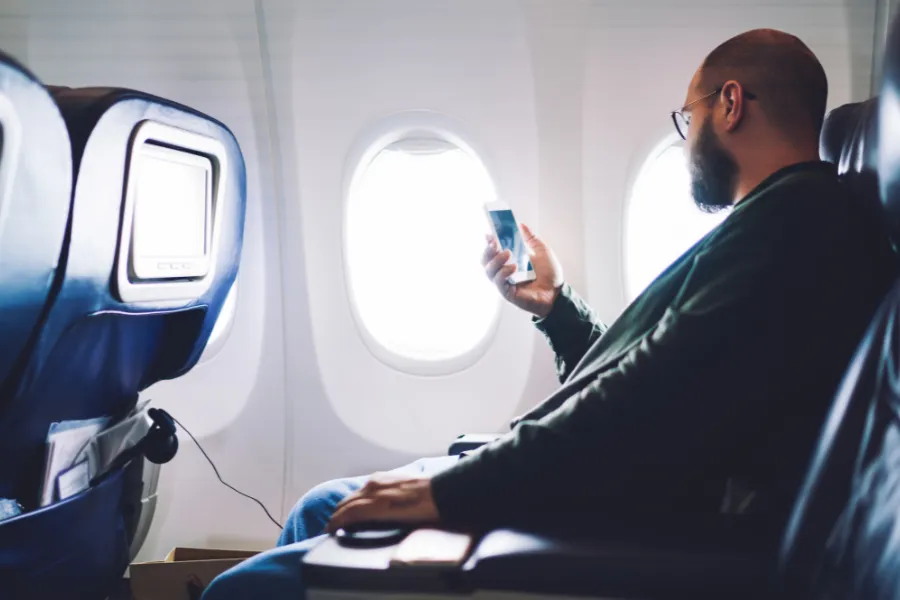
It’s not because your phone will make the plane fall out of the sky. The main reason for airplane mode necessity is that mobile signals can interfere with the aircraft’s communication systems. Pilots rely on radio signals to stay in touch with air traffic control, and if everyone’s phone were pinging nearby towers, it could cause unwanted interference.
That said, modern aircraft are well shielded against these disruptions. The real reason airlines still enforce it? Regulatory compliance. Plus, no one wants a cabin full of passengers shouting into their phones mid-flight.
Where is the safest place to sit on a plane?
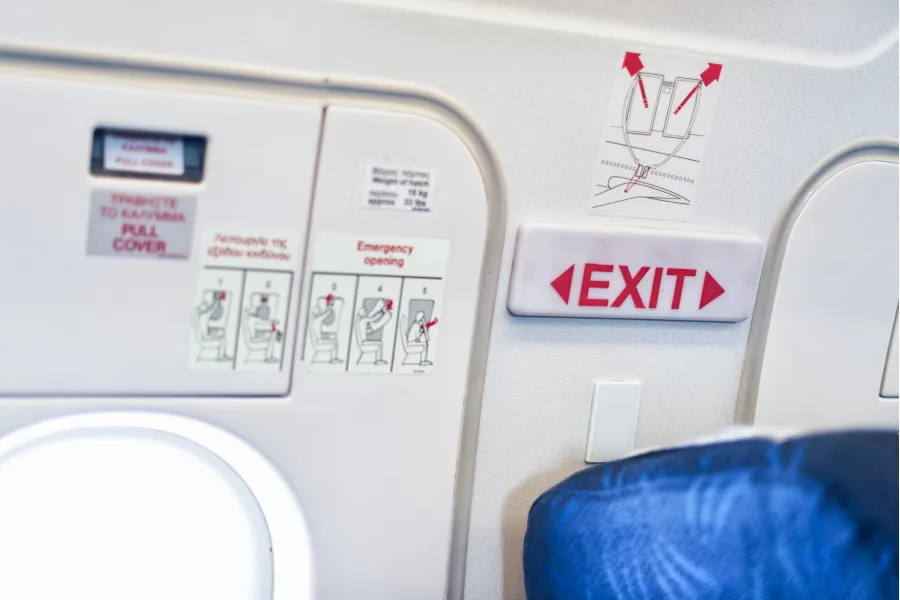
There’s no such thing as a 100% safe seat on a plane, but statistically, the safest seat on a plane is near the rear, specifically within five rows of an emergency exit.
A study by Time found that passengers in the rear third of the plane had a 69% survival rate in crashes, compared to 49% for those in the front. The middle seats in the back also have the highest survival rates—though that’s a trade-off for comfort.
Want extra peace of mind? Pay attention to airplane emergency procedures, note where the exits are, and keep your seatbelt fastened when seated.
Why are some flights faster on the way there and slower on the way back?
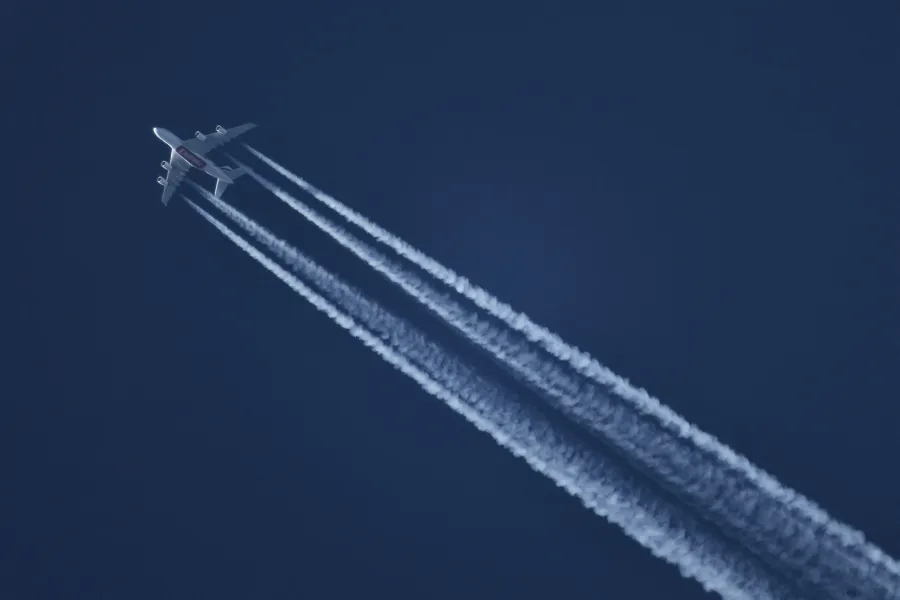
Ever noticed that your flight time varies between outbound and return journeys? That’s thanks to something called the jet stream—a high-altitude wind that flows from west to east.
If you're flying eastbound, the plane gets a boost from these strong tailwinds, cutting flight time. Flying westbound, however, means battling against them, which slows the aircraft down.
So, if your return flight feels longer, blame Mother Nature, not the pilot.
Is turbulence dangerous?
Turbulence might make your stomach drop, but it’s rarely a real danger. Modern aircraft are built to withstand severe turbulence, and pilots navigate around the worst of it using advanced weather radar.
That said, turbulence injuries do happen, usually to passengers who aren’t wearing seatbelts. That’s why airplane seatbelt safety is no joke—always buckle up, even when the sign is off.
Why does food taste different on a plane?
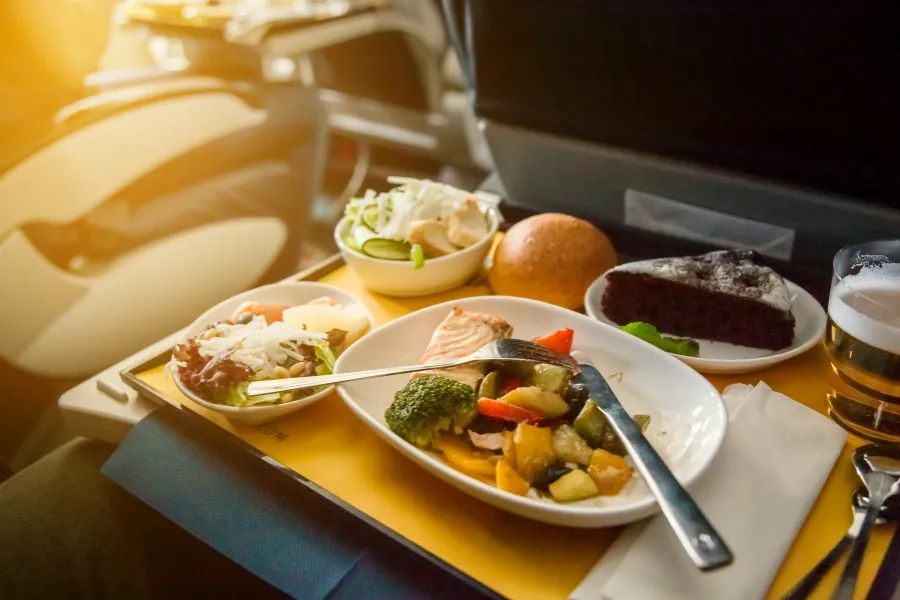
It’s not just you—airplane food taste really does change at high altitudes. The culprit? Cabin pressure and dry air.
At cruising altitude, humidity levels drop to around 12% (drier than most deserts), and the lower air pressure dulls our taste buds. Sweet and salty flavours become harder to detect, which is why airlines add extra seasoning to meals.
Fun fact: This is also why tomato juice is so popular in-flight—its umami flavour holds up better than most foods.
What would happen if a window broke mid-flight?
If an airplane window breaking sounds like a nightmare scenario, you can relax. Aircraft windows are built with multiple layers of reinforced glass, making breakages extremely rare.
But in the highly unlikely event that a window shattered, airplane decompression would occur instantly. Oxygen masks would drop, and the pilot would descend rapidly to a safer altitude where passengers can breathe normally.
Moral of the story? Avoid Hollywood disaster movies before a flight.
Where does the toilet waste go during your flight?
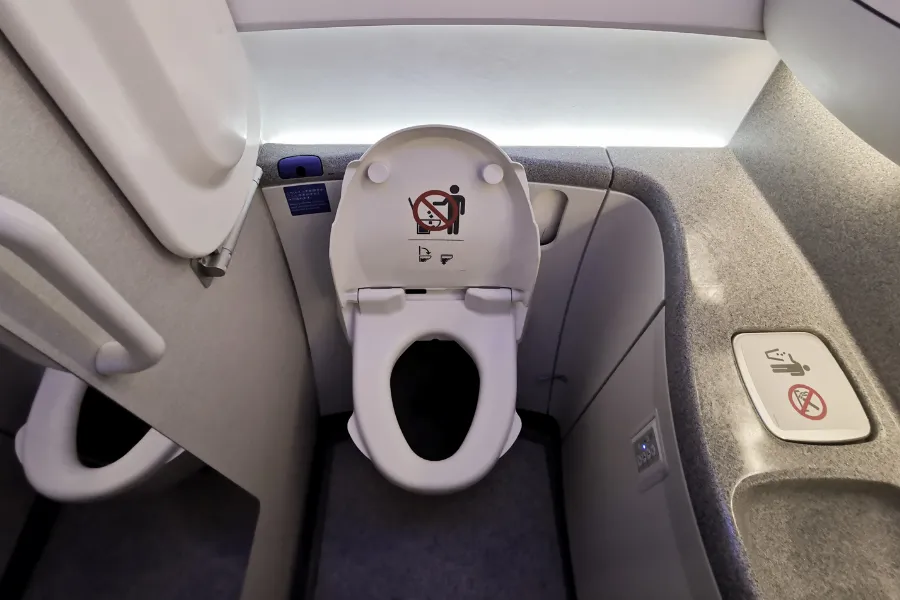
You might imagine waste being jettisoned into the sky, but thankfully, that's not the case. Airplane toilet waste is stored in sealed tanks beneath the aircraft. These tanks are emptied after landing by ground crews.
So, no, there’s no risk of frozen "blue ice" dropping from the sky—though rare leaks have been reported!
If you can’t smoke on planes, why are there ashtrays in the toilets?
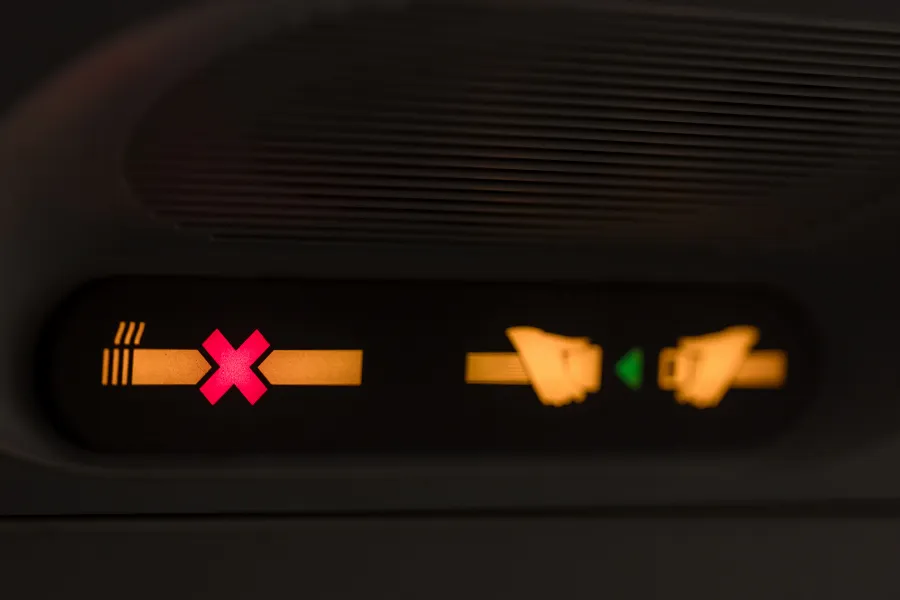
You’d think that with strict airplane safety regulations, ashtrays would have disappeared long ago. Yet, they’re still a requirement in aircraft toilets.
Why? Because some passengers still break the rules. If someone irresponsibly lights up mid-flight, they need a safe place to put out the cigarette to avoid a fire hazard. Airlines might enforce a no smoking policy, but they also plan for worst-case scenarios.
Why do pilots dim the lights for takeoff and landing?
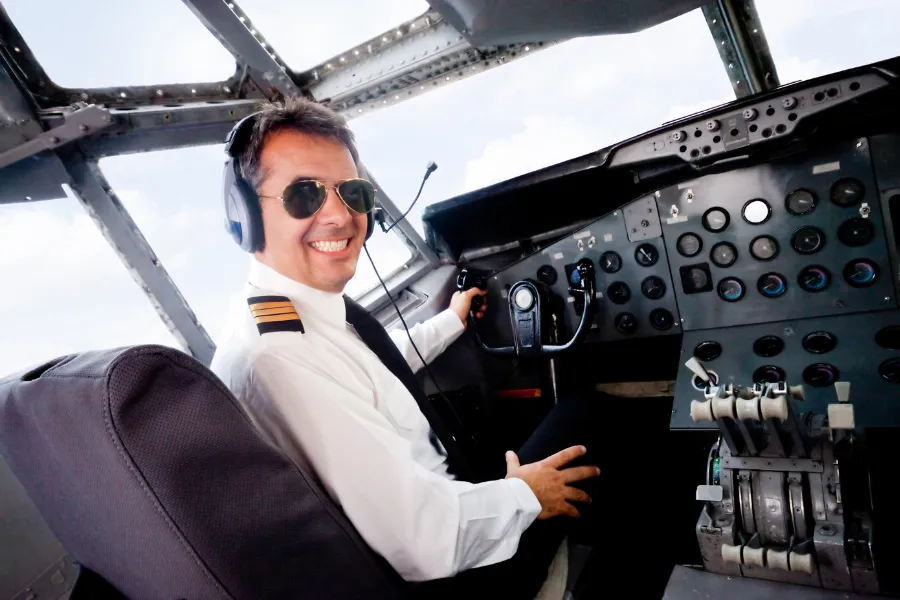
Dimming the cabin lights isn’t about creating ambience—it’s about safety. During takeoff and landing (the riskiest parts of any flight), airplane safety procedures prepare passengers for a quick exit in case of an emergency.
Lower lighting helps your eyes adjust to the outside darkness, making evacuations faster if needed. So next time the lights go down, just know it’s for your safety, not a mood-setting trick.
What happens if a plane is struck by lightning?
Planes are struck by lightning about once a year, but modern aircraft are designed to handle it safely. The exterior is made of conductive materials that allow electricity to pass around the aircraft rather than through it.
That means airplane lightning strikes are more of a spectacle than a threat. You’ll likely hear a loud bang, but you’re not in any danger. Pilots also conduct post-flight inspections to ensure everything is in working order.
Final Thoughts
Air travel is full of quirks, but at RFF, we love unravelling the mysteries of flying. Next time you’re cruising above the clouds, you can impress your seatmate with your newfound knowledge of plane facts.
Looking to travel the world and collect Avios for your next adventure? Check out RFF – the easiest way to find and book British Airways reward flights using Avios points. With real-time updates on reward seat availability, planning your next trip has never been simpler.