The UK government has given Gatwick’s second runway the green light, unlocking a once-in-a-generation Gatwick expansion that could add up to 100,000 flights a year by the end of the decade and lift annual passengers towards 80 million. The decision—centred on bringing the airport’s standby strip into regular use as the Gatwick Northern Runway—follows years of consultation, examination and political wrangling.
Read on to discover what this decision means for travellers and Avios collectors—from extra seats and new routes to potentially better reward availability and smarter ways to earn and redeem on BA flights.
What was approved and why it’s different to Heathrow
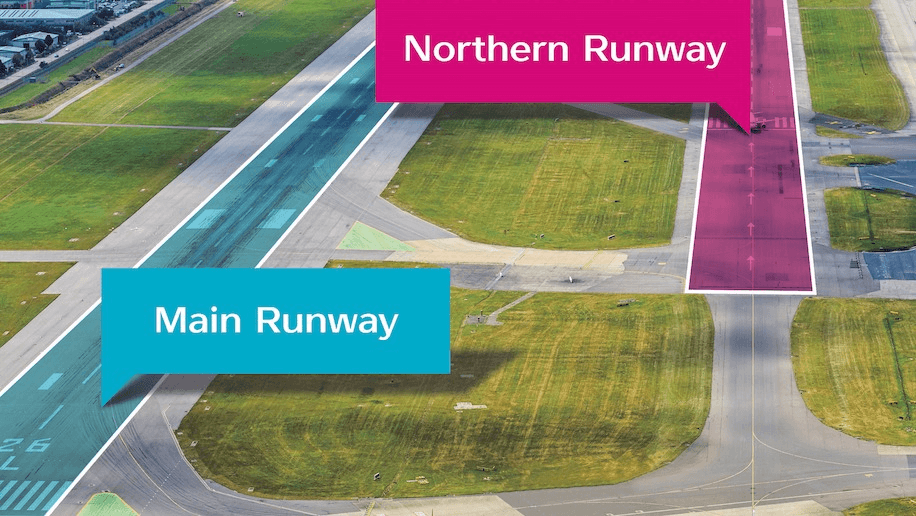
This is not a brand-new strip carved out of Sussex countryside. The project formalises dual-runway operations by shifting the existing standby runway 12 metres north so it can be used alongside the main runway. That’s the core of the decision and the headline behind the Gatwick runway green light stories you’ve seen this autumn.
The scheme was signed off through a Gatwick Development Consent Order (often shortened to Gatwick DCO) after a long Planning Inspectorate examination and ministerial review, culminating in approval by the Transport Secretary.
Comparing Heathrow vs Gatwick - Heathrow’s third runway remains a political and planning marathon. In contrast, Gatwick can adapt an existing asset, stage works, and subject to conditions, bring the Gatwick Northern Runway opening into view before any Heathrow shovels hit the ground.
Timelines, construction and what happens next
The most-asked question is the Gatwick runway opening date. Officially, Gatwick and ministers have signalled the late 2020s for initial operations once enabling works conclude, with full benefits emerging into the early 2030s.
Expect a rolling timeline: detailed design, land and surface access works, taxiways and pier adjustments, safeguarding, then commissioning and phased ramp-up. This is classic major-hub sequencing rather than a “big bang” switch-on.
Credit: Image supplied by mediacentre.gatwickairport.com/images
The programme comes under the umbrella of the “Gatwick masterplan” and will sit alongside airfield, stand and terminal adaptations. In practice, Gatwick will shift the runway centreline, add new rapid-exit taxiways, and reconfigure aircraft stands to serve both the North and South terminals.
Capacity, slots and airline growth
At full run-rate, Gatwick projects a capacity increase that pushes annual throughput towards roughly 75–80 million. That shift hinges on how runway operations are configured and how the market responds. For frequent flyers, the real story is slots: Gatwick’s slot allocation could open doors for new entrants or let existing airlines scale up. Follow the slot filings and the IATA conference cycle, which largely decide which carriers grow fastest and when those extra seats appear.
The airport already skews leisure-heavy, spearheaded by easyJet. Expect easyjet Gatwick expansion headlines to continue, but also watch out for British Airways, Jet2, TUI and Wizz Air as they jostle for peak-time rotations. More morning and evening movements broaden bank structures, reduce choke-points at peak times, and—if delivered smoothly—could even dial down delays over time.
For long-haul fans, the additional slots support a step-up in long haul flights from Gatwick: North America, the Caribbean, and selective Asia-Africa growth have all been flagged by analysts. That dovetails with reward flight interest: more long-haul frequencies typically create more redemption windows, especially close to departure.
Surface access, station works and the environmental ledger
A bigger operation needs better access. Expect Gatwick transport upgrades to continue in lock-step, including the ongoing Gatwick train station works embedded in Network Rail and DfT plans, and highway tweaks to improve road access from the M23/A23 corridors. These are essential to meet the government’s tests on mode share and to keep the terminals flowing as schedules grow.
Costs, jobs and who pays
The scheme is privately financed, with no direct call on taxpayers, and pitched as a multi-billion-pound investment that will support jobs at Gatwick and wider economic growth. Briefings have cited an estimated outlay of around £2.2 billion for the runway conversion and related infrastructure, though the final cost will hinge on phasing, supply-chain inflation and any conditions attached to the consent.
Cargo rarely grabs headlines, but additional movements can support freight growth, particularly overnight. The balancing act is maintaining community protections while leveraging spare shoulder capacity to feed express and belly-hold networks.
What this means for Avios collectors
For BA loyalists, Gatwick’s expansion should, over time, increase British Airways flying from the airport, sharpen the terminal bank peaks and deliver more consistent day-of-week schedules—making trip planning simpler. For points collectors, more seats and higher frequencies usually mean more chances to secure British Airways flights with Avios. With capacity set to grow, there’s never been a better time to use a tool like Reward Flight Finder (RFF) to find those reward seats the moment they appear.
Naturally, RFF will incorporate the new capacity into our monitoring so you’ll see route-level signals as the slot filings firm up. In practice, that means creating alert clusters around likely growth vectors and highlighting sweet spots where timetable changes expose extra award seats.
What to watch in the next 24 months
- Consent to construction: After Gatwick planning permission elements are tied down via the Development Consent regime, expect enabling works to begin. This is where the Gatwick runway plans move from paper to plant on site.
- Phased commissioning: A staged approach means operational testing first, then controlled increases. That’s when Avios availability can spike briefly as timetables are adjusted.
- Slots and airline moves: Track the IATA slot conferences for Gatwick slots, Gatwick slot allocation and Gatwick flight slots shifts—early indicators of which carriers will add capacity first.
- Terminals and banks: Watch for pier and stand reworks that rebalance operations across North Terminal Gatwick and South Terminal Gatwick, smoothing flows at Gatwick peak times.
- Public debate: A live Gatwick public inquiry thread, legal appeals and ongoing Gatwick consultation requirements will continue. This doesn’t stop progress, but it can influence phasing and mitigations.
Runway reality: your Avios advantage
The London Gatwick expansion has finally moved from “if” to “how fast”. The government’s Gatwick second runway approval sets a clear path to dual-runway operations, with a pragmatic engineering scope and strict conditions on noise, emissions and surface access.
For passengers, the prize is more choice, improved resilience and a broader long-haul slate. For RFF members, the prize is opportunity: more frequencies and seats increase the odds of finding the redemptions you want, especially on leisure-heavy routes with seasonal surges.