Flying in Europe in 2025? What the new EU Border Rules mean for you
 Kayleigh
Search for pages and actions
Search for pages and actions
KayleighKayleigh
Last Updated: 06 Jul 2026
The way we travel across Europe is changing—and for UK citizens and other visa-exempt travellers, the changes are significant. If you’re planning European flights in 2025 or beyond, it’s crucial to understand the new EU border rules, including the Entry/Exit System (EES) and ETIAS travel authorisation.
On 5 March 2025, EU Home Affairs Ministers endorsed a revised timeline for these systems, reshaping how non-EU nationals enter and exit the Schengen Area. For those booking Avios reward flights or planning BA redemptions, knowing what to expect can save time, money, and stress.
Last Updated: 06 Jul 2026
The way we travel across Europe is changing—and for UK citizens and other visa-exempt travellers, the changes are significant. If you’re planning European flights in 2025 or beyond, it’s crucial to understand the new EU border rules, including the Entry/Exit System (EES) and ETIAS travel authorisation.
On 5 March 2025, EU Home Affairs Ministers endorsed a revised timeline for these systems, reshaping how non-EU nationals enter and exit the Schengen Area. For those booking Avios reward flights or planning BA redemptions, knowing what to expect can save time, money, and stress.
The EES is an automated IT system designed to register and track non-EU nationals entering and leaving the Schengen Area for short stays. It will replace manual passport stamping and create a digital log of each traveller’s movements.
The EES is scheduled to launch in October 2025, streamlining border processes and helping prevent identity fraud.
ETIAS, or the European Travel Information and Authorisation System, is often compared to the US ESTA. It’s not a visa, but rather a visa waiver programme. It requires eligible, visa-exempt travellers to complete an online application before arrival in the EU.
The ETIAS start date is projected for late 2026. Although this gives you time, it’s worth familiarising yourself with the ETIAS application process now.
To complete your ETIAS application form, you’ll need:
Once approved, the ETIAS travel authorisation allows you multiple entries into the EU—ideal for frequent flyers, digital nomads, and anyone booking multiple European flights using Avios.
The ETIAS system affects:
ETIAS is required for those entering the Schengen Area, which includes most EU countries and four non-EU states (Iceland, Norway, Switzerland, and Liechtenstein).
This includes travellers visiting for:
And you must apply in advance.
If you're planning BA redemptions or searching for Avios reward flights, it's crucial to factor ETIAS and EES into your plans. The RFF tool helps users track British Airways availability and set alerts for routes across Europe—perfect for those looking to book trips in advance and avoid the rush.
With multiple entries available under ETIAS and long validity periods, you can plan several reward trips without reapplying. Just make sure your ETIAS approval time aligns with your travel dates.
Once EES and ETIAS are in place:
This modernised system should ultimately improve security and border control while simplifying documentation for eligible travellers.
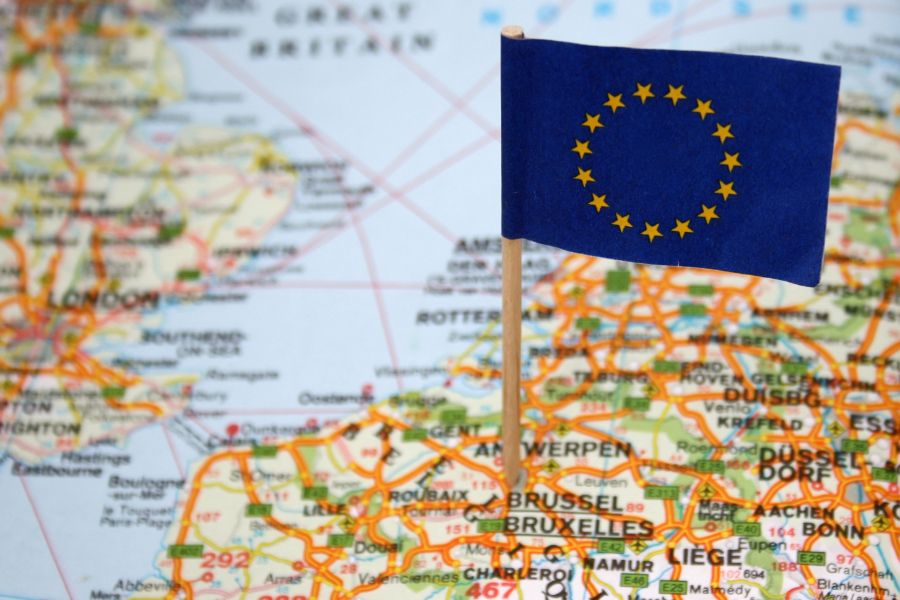
No—but almost all.
The ETIAS countries currently include most of the Schengen Area and a few EU neighbours. It will not apply to Ireland, which maintains a separate visa policy. ETIAS for Schengen Area travel is only needed if your destination falls within the 29 participating states.
Keep in mind that ETIAS for non-EU citizens, even those from visa-free countries, is still a requirement—so don't assume previous access rules still apply.
The introduction of the ETIAS visa waiver and EES digital border system marks a significant change in how non-EU citizens travel across Europe. While these systems aim to streamline and modernise border security, they also introduce new steps in the travel process.
For UK travellers, especially those using Avios reward flights or planning short stays, it’s important to stay ahead of these requirements. Submitting your ETIAS application on time, understanding the application process, and checking ETIAS countries relevant to your itinerary will help avoid any last-minute surprises.
As these new systems roll out, RFF remains a valuable tool in your planning arsenal—especially if you're navigating BA availability across multiple cities, or planning for ETIAS multiple entries across the year.
Stay informed, plan early, and enjoy Europe with confidence.
The EES is an automated IT system designed to register and track non-EU nationals entering and leaving the Schengen Area for short stays. It will replace manual passport stamping and create a digital log of each traveller’s movements.
The EES is scheduled to launch in October 2025, streamlining border processes and helping prevent identity fraud.
ETIAS, or the European Travel Information and Authorisation System, is often compared to the US ESTA. It’s not a visa, but rather a visa waiver programme. It requires eligible, visa-exempt travellers to complete an online application before arrival in the EU.
The ETIAS start date is projected for late 2026. Although this gives you time, it’s worth familiarising yourself with the ETIAS application process now.
To complete your ETIAS application form, you’ll need:
Once approved, the ETIAS travel authorisation allows you multiple entries into the EU—ideal for frequent flyers, digital nomads, and anyone booking multiple European flights using Avios.
The ETIAS system affects:
ETIAS is required for those entering the Schengen Area, which includes most EU countries and four non-EU states (Iceland, Norway, Switzerland, and Liechtenstein).
This includes travellers visiting for:
And you must apply in advance.
If you're planning BA redemptions or searching for Avios reward flights, it's crucial to factor ETIAS and EES into your plans. The RFF tool helps users track British Airways availability and set alerts for routes across Europe—perfect for those looking to book trips in advance and avoid the rush.
With multiple entries available under ETIAS and long validity periods, you can plan several reward trips without reapplying. Just make sure your ETIAS approval time aligns with your travel dates.
Once EES and ETIAS are in place:
This modernised system should ultimately improve security and border control while simplifying documentation for eligible travellers.
No—but almost all.
The ETIAS countries currently include most of the Schengen Area and a few EU neighbours. It will not apply to Ireland, which maintains a separate visa policy. ETIAS for Schengen Area travel is only needed if your destination falls within the 29 participating states.
Keep in mind that ETIAS for non-EU citizens, even those from visa-free countries, is still a requirement—so don't assume previous access rules still apply.
The introduction of the ETIAS visa waiver and EES digital border system marks a significant change in how non-EU citizens travel across Europe. While these systems aim to streamline and modernise border security, they also introduce new steps in the travel process.
For UK travellers, especially those using Avios reward flights or planning short stays, it’s important to stay ahead of these requirements. Submitting your ETIAS application on time, understanding the application process, and checking ETIAS countries relevant to your itinerary will help avoid any last-minute surprises.
As these new systems roll out, RFF remains a valuable tool in your planning arsenal—especially if you're navigating BA availability across multiple cities, or planning for ETIAS multiple entries across the year.
Stay informed, plan early, and enjoy Europe with confidence.