British Airways is set to undergo one of its most significant fleet modernisations in years, following a headline-making order from its parent company, International Airlines Group (IAG). The aviation giant has confirmed a major investment in long-haul aircraft, with a firm order of 71 wide-body aircraft from both Airbus and Boeing—and British Airways alone is taking 53 of them.
This strategic move highlights not just IAG’s market position, but also its ambitions across its core carriers, including Iberia and Aer Lingus to stay ahead in an increasingly competitive long-haul landscape.
A bold move: IAG orders 71 aircraft
In what’s being described as a fleet expansion of unprecedented scale, IAG has ordered 71 aircraft, split between 31 Airbus A350-900 and A330-900neo, and 40 Boeing 787-10 Dreamliner jets. These fuel-efficient aircraft models are designed to support the group’s growth while addressing its sustainable aviation initiatives. Deliveries are expected to begin from 2026 and will stretch across the next decade.
The decision emerged shortly after a positive earnings season for the group, with a confirmed IAG profit increase Q1 2025 helping to underpin the financial muscle behind this deal. The announcement came during the IAG shareholder meeting 2025, with leadership underscoring the importance of the investment to meet airline industry growth 2025 projections and rising premium cabin demand.
Environmental goals front and centre
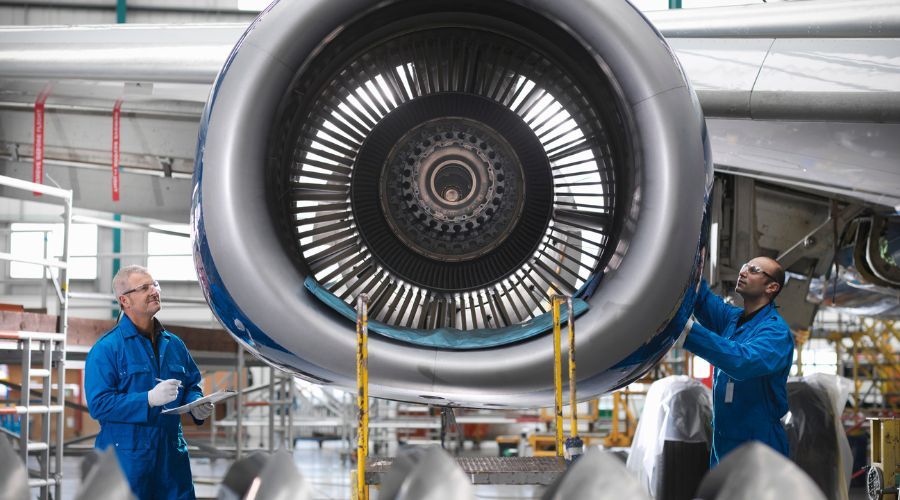
The Airbus A330-900neo, equipped with Rolls-Royce Trent 7000 engines, and the Boeing 787-10, powered by General Electric GEnx engines, not only reduce carbon emissions but also comply with stricter international noise regulations—an increasingly important factor in airport slot access and community relations.
By investing in newer-generation jets, IAG is positioning itself to meet evolving regulatory frameworks, including the EU’s emissions trading scheme and CORSIA (Carbon Offsetting and Reduction Scheme for International Aviation).
British Airways takes the lion’s share
The British Airways Boeing 787-10 is a key component of this strategy. Known for its lower fuel burn and improved economics, the model is equipped with either Rolls-Royce Trent 1000 or General Electric GEnx engines. BA’s newer batch is expected to be powered by the latter, sourced from the General Electric aviation division, reflecting the airline’s commitment to both performance and sustainability.
Meanwhile, the Airbus A350-1000 features carbon-fibre fuselage construction and a quieter cabin. It’s also capable of flying longer distances with better fuel efficiency, positioning it perfectly for British Airways’ long-haul routes, including transatlantic route expansion to North America and growth into Asia-Pacific markets.
The latest deal will replace older Boeing 777s and 747s, and is part of a wider BA fleet modernization plan.
Impact across IAG’s other airlines

While BA receives the bulk of the order, Iberia will take 10 Airbus A350-900, and Aer Lingus is set to welcome eight A330neo aircraft into its fleet. These additions bolster the Aer Lingus fleet update and support the airline’s ambitions for increased long-haul connectivity to North America. Iberia, on the other hand, is preparing for a wider renewal, as part of Iberia new aircraft acquisitions, enhancing efficiency across routes between Spain and Latin America.
LEVEL, IAG’s low-cost long-haul operator, will receive a boost through the shared delivery pool, supporting its growing presence in Europe and beyond. The LEVEL airline fleet has seen slower growth to date, but with this latest move, an airline fleet management strategy focused on streamlining and sustainability is clearly in motion.
What this means for flyers
This development spells good news for travellers, particularly those looking to book flights with Avios or searching for British Airways reward flights. A more modern and expansive fleet means more capacity, improved comfort, and additional long-haul frequencies—perfect for snapping up that elusive Avios seat.
- Passenger1


Using our Avios Calculator, members can get better value and more destination options as the new aircraft support broader route coverage. Passengers can expect more lie-flat seats in business class, greater fuel efficiency, and next-gen inflight tech across cabins.
If you're planning a British Airways holiday or hoping to secure British Airways reward flights, the improved tech and expanded fleet translate into more availability and better cabin experiences. Our Reward Flight Finder (RFF) tool makes it easier than ever to check real-time Avios availability and plan your next trip.
Balancing Boeing and Airbus
This mirrors wider aviation market trends 2025, with airlines opting for dual sourcing to avoid production delays and lock in delivery slots amid high demand and stretched airline order books 2025.
The aircraft delivery timeline will be phased to match IAG aircraft delivery schedule projections, allowing the group to balance aircraft leasing vs purchasing options and adjust capacity to evolving market needs.
Eyes on the future
This order is not just a signal of growth—it's a message to the market. IAG is laying the foundation for the next decade of travel. With an anticipated increase in travel demand, including from leisure travellers booking British Airways holidays and business passengers flying long-haul, the group is investing now to meet tomorrow’s expectations.
While supply chain uncertainties and regulatory hurdles remain, IAG is showing its intent to lead through smart investments, adaptability, and a keen eye on sustainability.